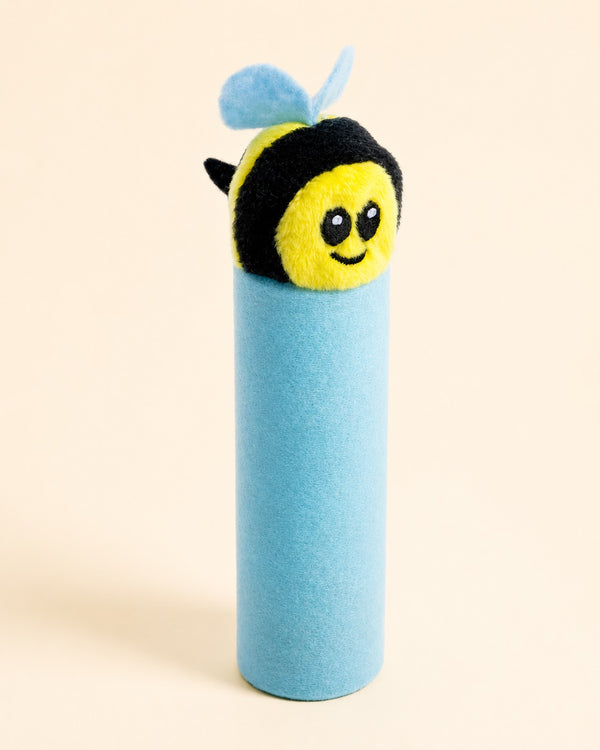
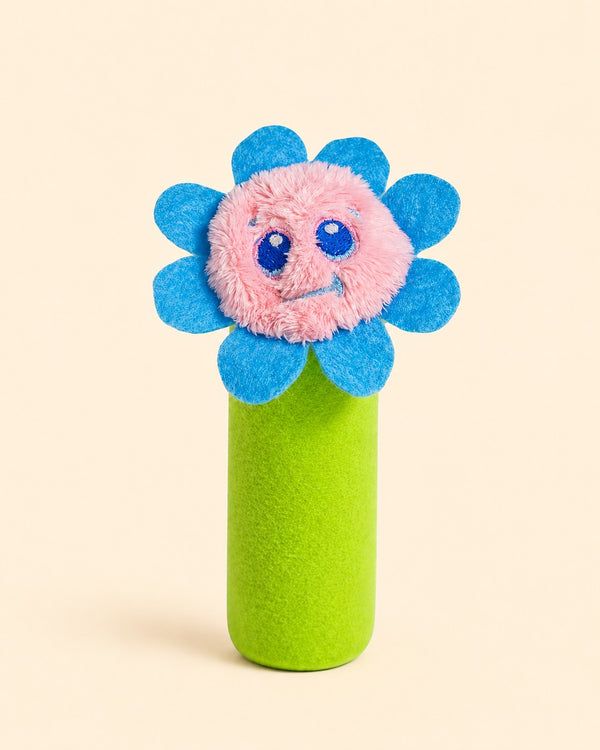







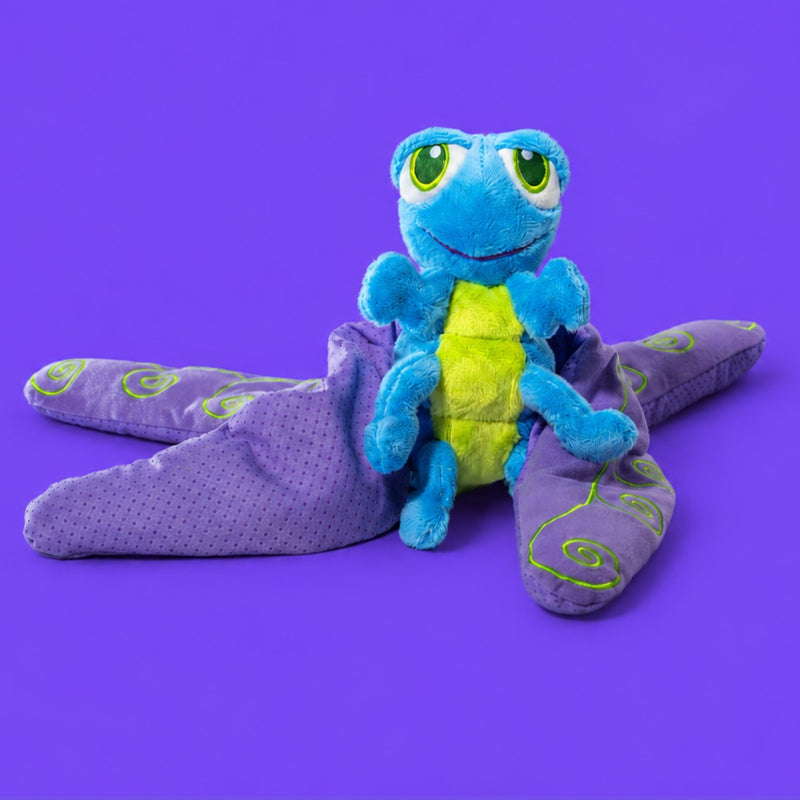

Flutter the Dragonfly
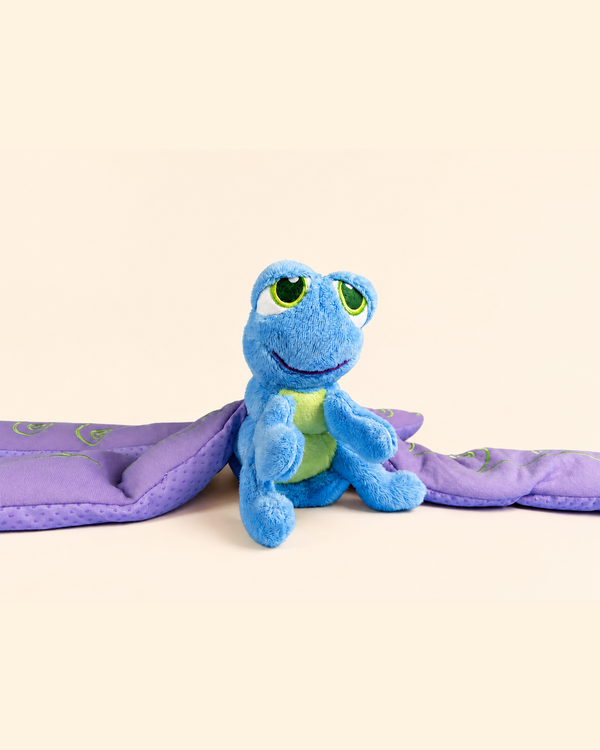
Weight across the lap in the car, or over the shoulders while shoes go on.
Ages 4 to 12
Shop Flutter
Guide · 8 min read
Where the forty minutes before school actually break, what to move to the night before, and what a short goodbye at the door sounds like.
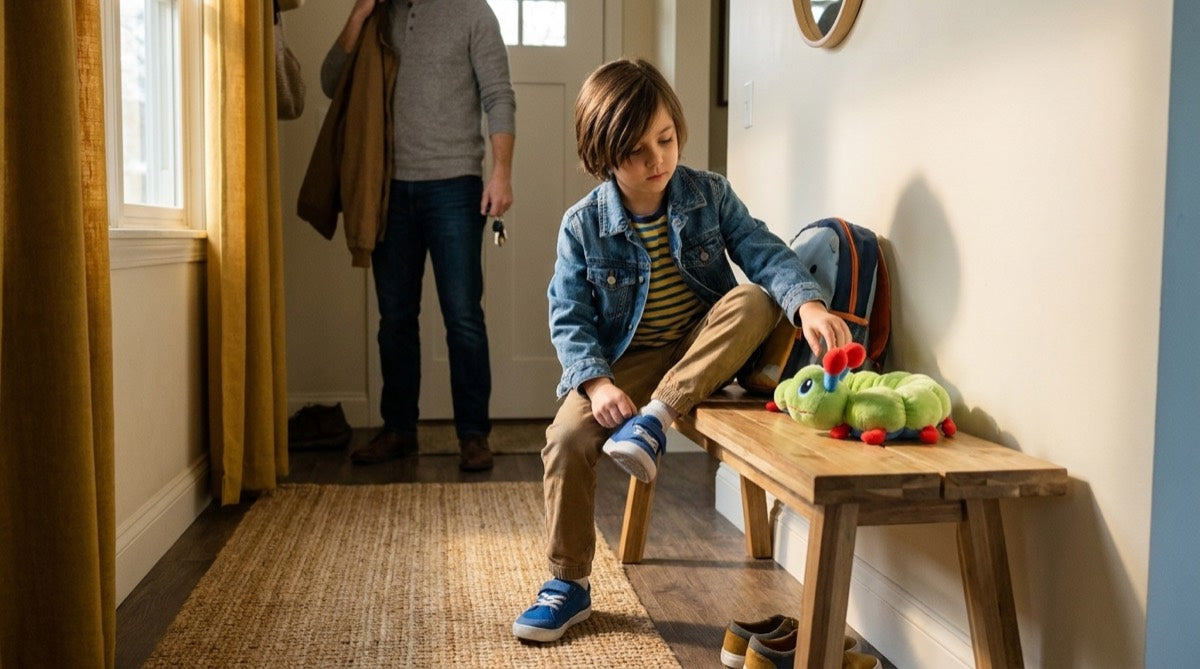
At home
Each one moves work out of the hardest twenty minutes. Pick one. A morning routine that changes in five places at once usually changes back.
Clothes, bag, shoes, and breakfast choice, settled while nobody is tired. Fewer choices in the morning means fewer places to get stuck.
Same steps, same order, every day, written where a child can see it. A visible routine answers “what now?” without an adult voice.
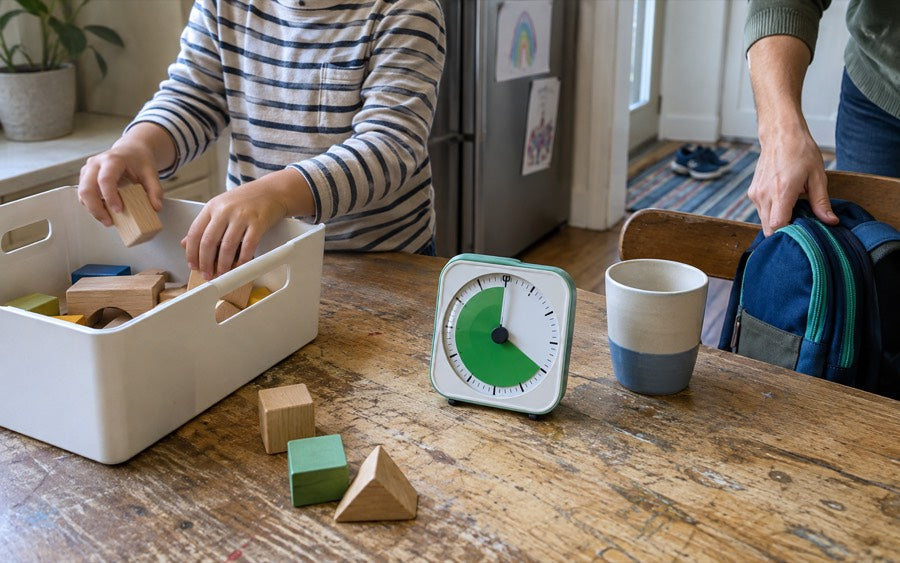
Two minutes, then the change. Stopping something is harder than starting something, and it is where most mornings break.
A child who is overwhelmed cannot take one more instruction. Weight, pressure, or a breath they can watch gives the body somewhere to start.
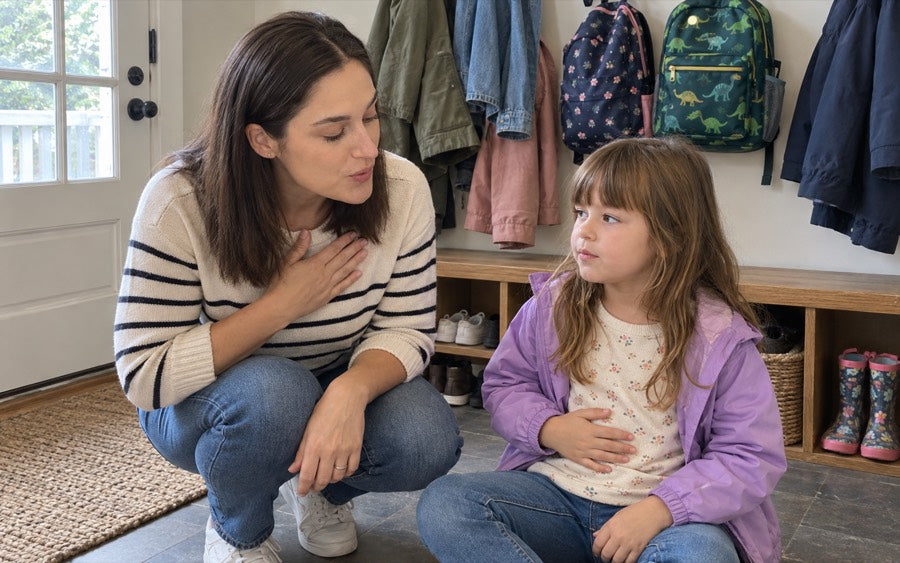
The same words, the same length, every day. A long goodbye reads as “there is something to negotiate here.”
“I’m going now. I’ll be back at the gate at three. Bye.”
In a classroom
A child arriving on a bad morning is not starting the day at zero. These are the moves that cost a teacher the least and change the first hour the most.
Hand out a task at the door — chairs, register, watering. A child with something to carry is not standing in a doorway deciding.
Two adults coaxing at once doubles the input. One familiar face, one sentence, and the parent leaves.
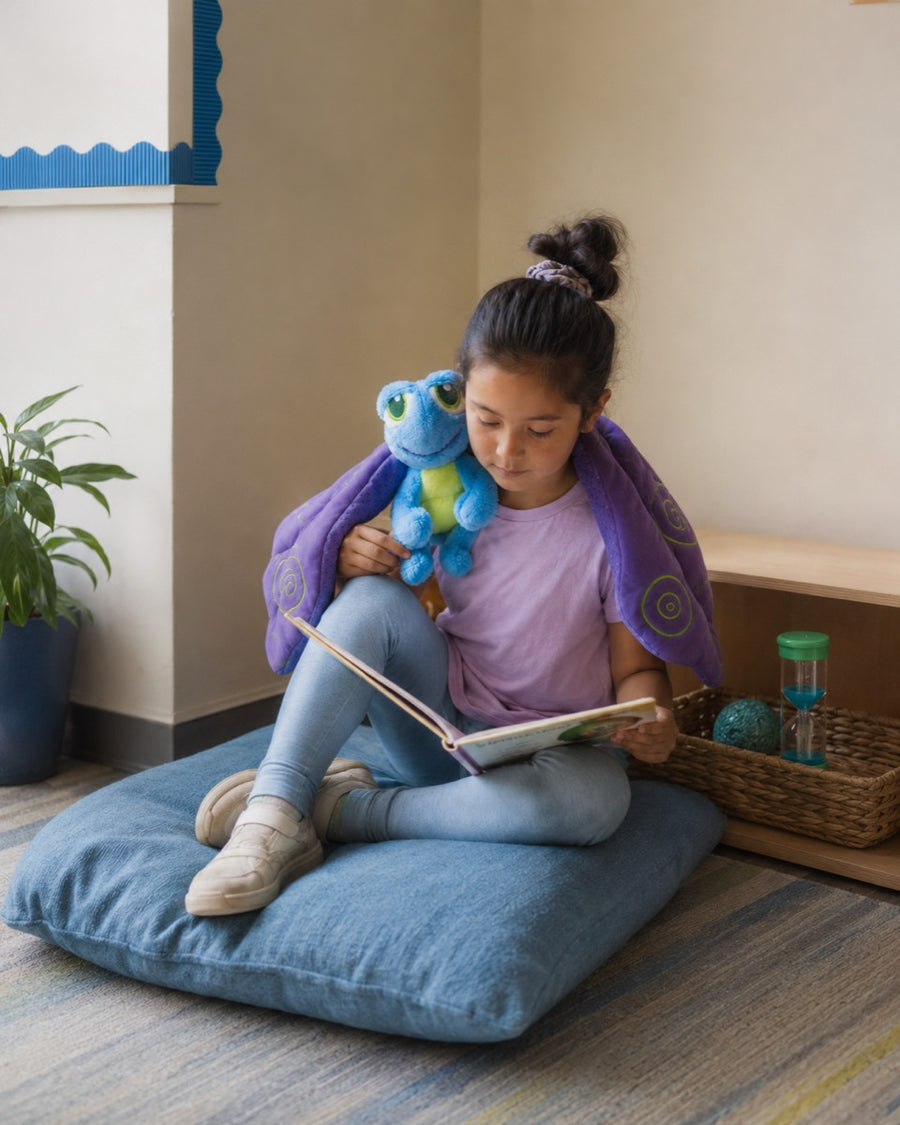
A calm corner works when a child has used it on an ordinary day. Introduced mid-meltdown, it reads as a consequence.
Movement, water, a physical task, then work. Ten minutes of body first buys back more than it costs.
One line at pickup about what settled it. Parents who hear only about the hard part start dreading the door too.
Most mornings do not fail evenly. They fail at the seams — the moments where one activity has to stop and another has to start. Getting out of bed, turning off a screen, leaving the table, putting on shoes, walking through the gate. Very little goes wrong in the middle of an activity; almost everything goes wrong at the joins.
That matters because it tells you where to spend the effort. More encouragement in the middle of breakfast does nothing for the fight that starts when breakfast ends. What helps at a seam is warning, sequence, and something physical to do while the change happens.
The second pattern worth knowing is that a morning is a stack. Each unfinished thing carries into the next, so a child who woke early after a bad night and could not find the right socks does not arrive at the front door at zero. The goodbye that looks like an overreaction is usually the fourth thing, not the first.
Write down only two things each morning: the time the first argument started, and what had just changed. Five days is usually enough to see your own pattern, and it is more useful than any general advice.
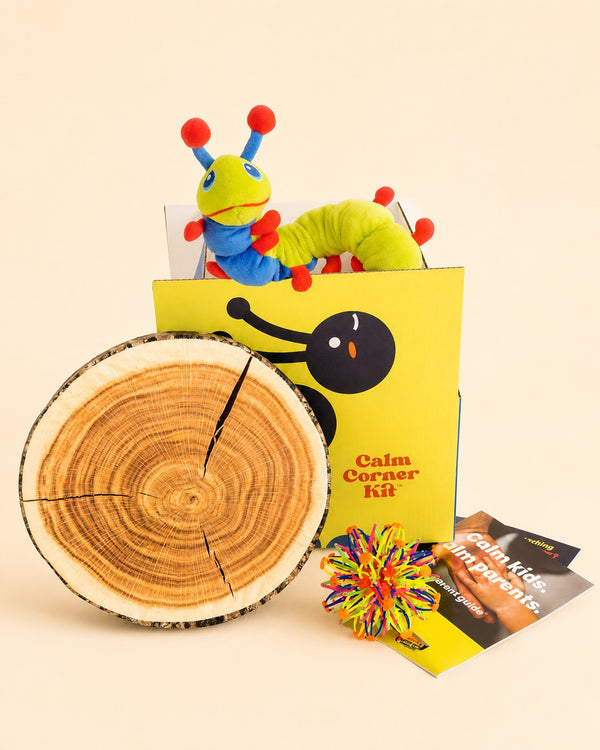
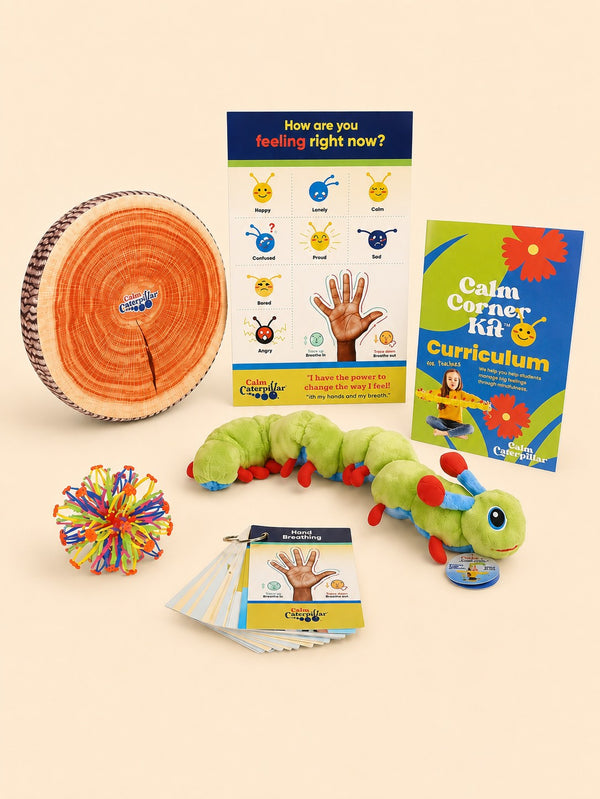
None of this needs a product. If you want something physical for a specific minute of the morning, the three below are the ones parents tell us they use — and the full guide walks through the whole morning minute by minute.
Ask the school. Most staff will tell you it stopped within a few minutes of you being out of sight, and knowing the real number changes how the next morning feels for you — which changes how it feels for your child.
No. If something needs discussing, do it on a calm evening, with a specific question rather than a general one: not “why do you get upset in the mornings,” but “which bit is worst — the getting dressed, or the gate?”
One short note, not a corridor conversation: what the mornings look like, what you have tried, what settles your child fastest, and what makes it worse. Ask for one thing in return — a job at the door, a nominated adult, permission to keep a tool in the tray.
No. A child can refuse it, stop after a few seconds, or choose something else. The value is in the repetition of the routine, not in completing it. See how it works.
A picture routine strip, a door script, and a one-page handover for a teacher or childminder. One email with the pack, then about two a month.
When to ask for more help
Weeks of refusal, distress that continues through the school day, or a child who is ill or under-slept are worth raising with the school and, if it persists, with a GP. Nothing here is a substitute for that.
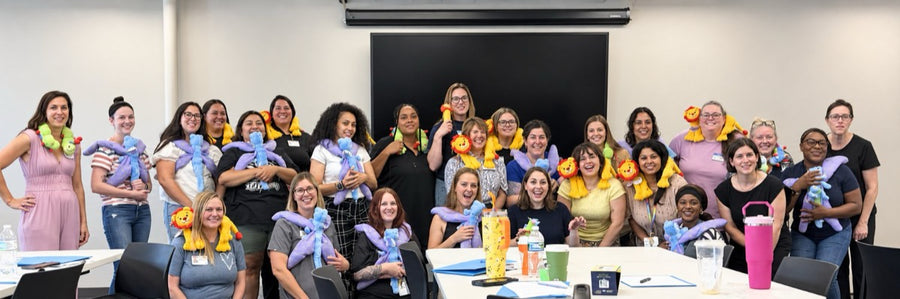
None of these fix a morning. They give a child one physical thing to do while it happens.
Weight across the lap in the car, or over the shoulders while shoes go on.
Ages 4 to 12
Shop Flutter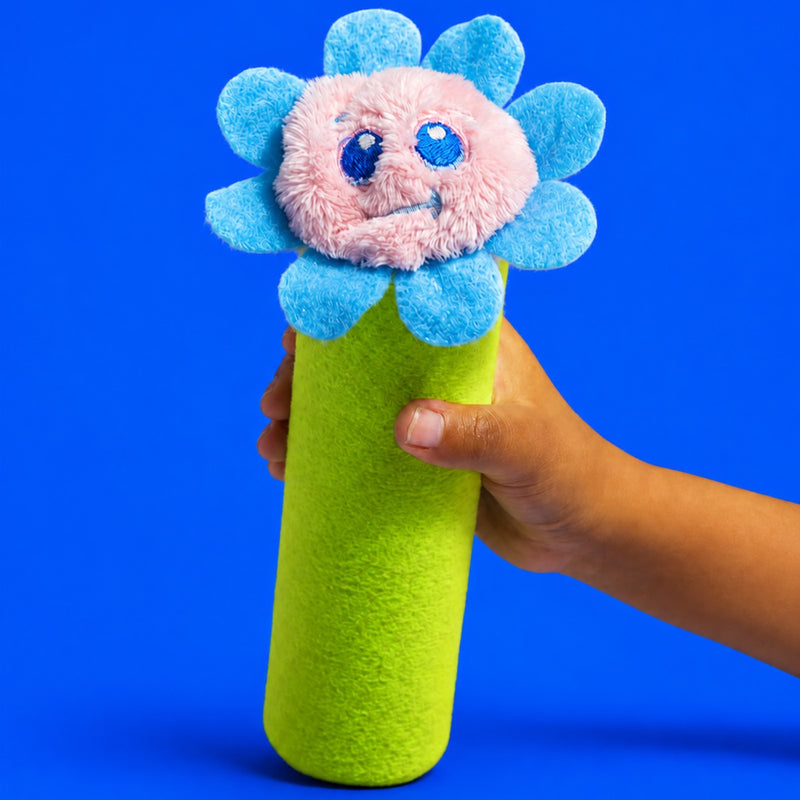

A breath a child can watch instead of being talked through, at the door.
Ages 3 to 12
Shop Bloomie

Something to squeeze and count on the walk in, or in the car seat.
Ages 3 to 12
Shop Calmee