One
It is something to do with the hands
Stretch it, squeeze it, hold it, turn it over. A lot of children settle more easily when their hands have a job, in the same way some adults cannot sit still without something to fiddle with.

For grandparents
You have noticed something about your grandchild. You would like to help. You would also like to do it without starting a conversation nobody wants to have.
That is a reasonable thing to want, and it is mostly a question of how the gift is handed over. Below are three ways to say it, and a plain explanation of what these tools actually are.
If you are the parent and someone sent you this page
The child decides whether they use a tool, and nothing here is a fix, a treatment, or a comment on how you are raising them. Anyone who buys from this page is being asked to hand it over and leave it alone.
Three situations, and words you can use as they are. Short is better than explained. The gift lands best as something for the family, offered once and then left alone.
Say
“I saw this and thought of you both. No pressure to use it — if it is not useful, that is completely fine.”
Handing it to the parent first leaves them in charge of whether it appears at all, and when. That one move takes the whole question of overstepping off the table.
If they would rather not
“Not a problem at all. Keep it, pass it on, whatever is easiest.” Then change the subject. You have already done the kind thing by thinking of them.
Say
“I got you something for when your body feels wiggly. You can use it whenever you like, or not at all.”
Talking about the body rather than the behavior keeps it a present instead of a comment. Saying it out loud in front of the parent also tells them exactly what was said, so nothing has to be guessed at later.
If the parent looks unsure
“Your mom and dad know where it lives — ask them.” That puts it back in their hands in one sentence, without anybody having to negotiate in front of the child.
Say
“This one is just a fun thing. Open it later if you want to.”
A quiet gift at a loud table is a kindness. It spares a child from performing gratitude for something they do not understand yet, and it keeps the tool away from an audience.
Handing it over at the end
“Take it home and see what she makes of it.” Given to the parent on the way out, it arrives as a present rather than as a suggestion made in front of the family.
The part that does the work
No follow-up question about whether they have tried it, and no report expected on the next visit. A present that comes with a check-in stops being a present. If it turns out to be useful, you will hear about it.
To do with what a body is taking in — pressure, movement, noise, texture. Some children take in more than they can sort out, and some go looking for more of it.
Getting back to steady. Adults do it with a cup of tea or a walk around the block. Children are still learning how, and a familiar object in the hands is one of the ways.
Quiet, simple, and easy to hand over. Nothing here needs setting up, charging, or explaining to a child.
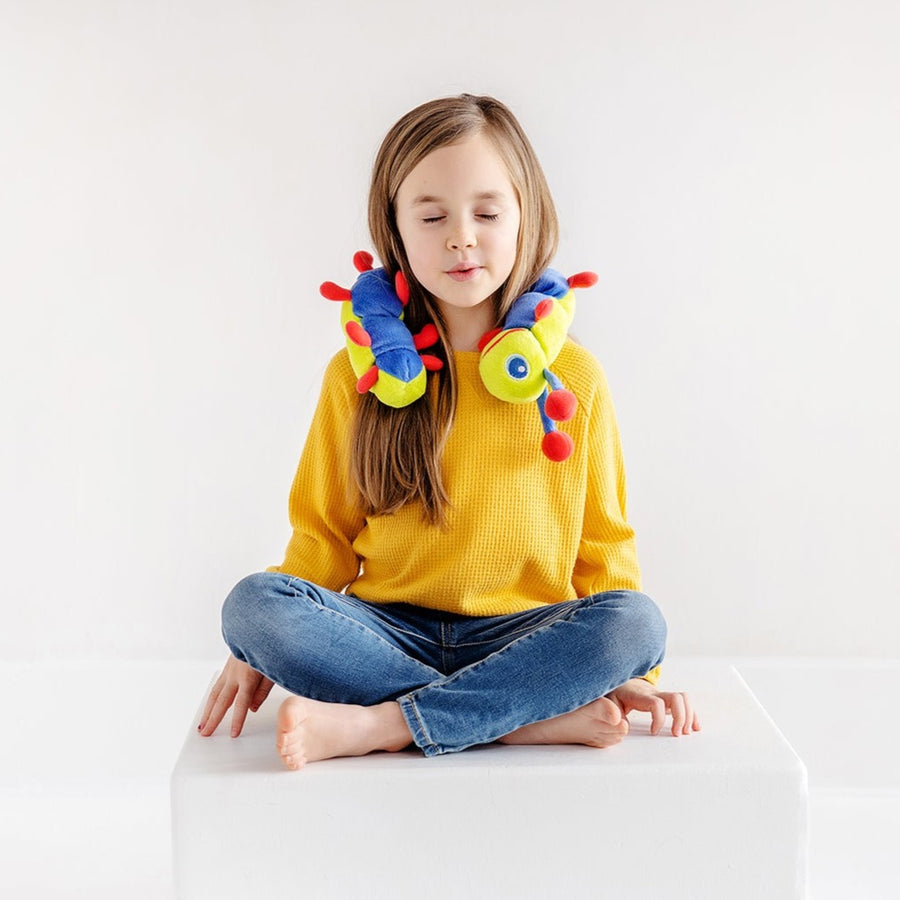
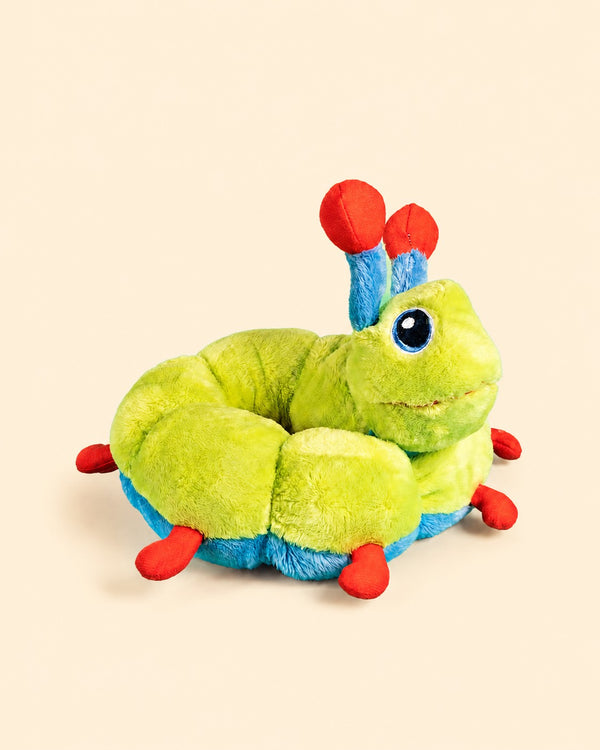
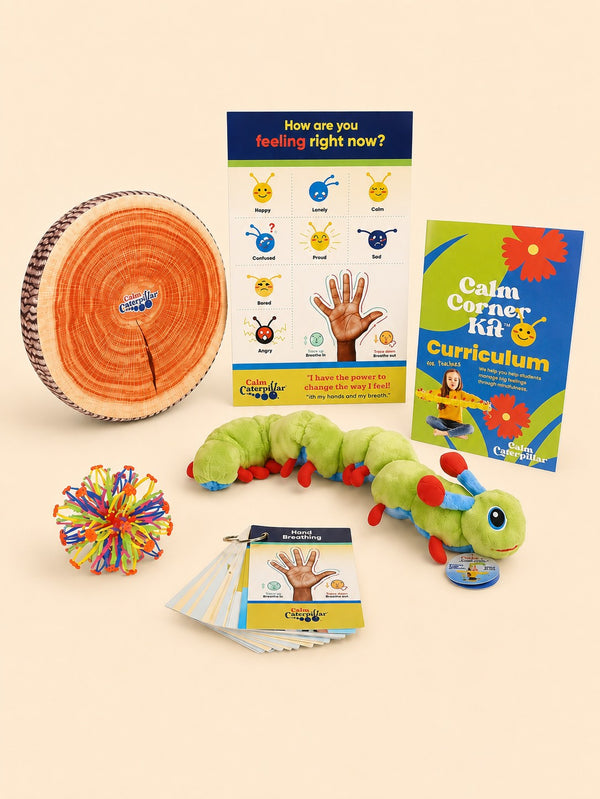
A soft caterpillar to stretch, squeeze, and hold. It makes no noise, needs nothing explaining, and fits in a coat pocket.
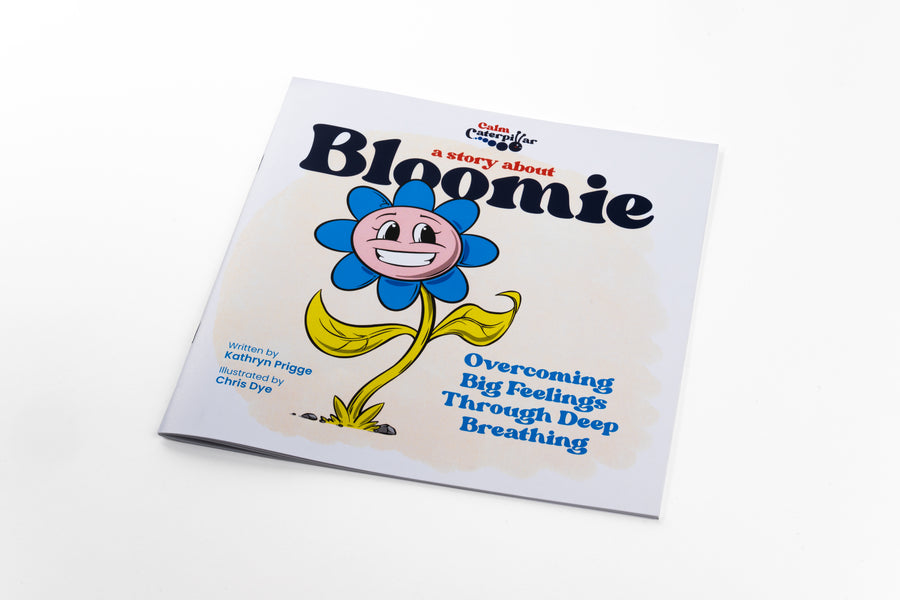
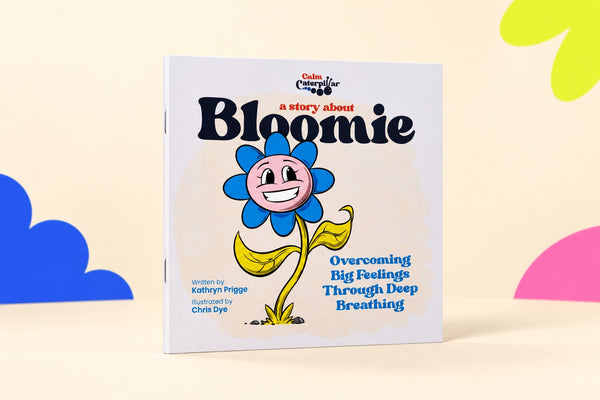
A picture book about a slow breath, so the idea arrives inside a story instead of as an instruction. Something to read together on the sofa.
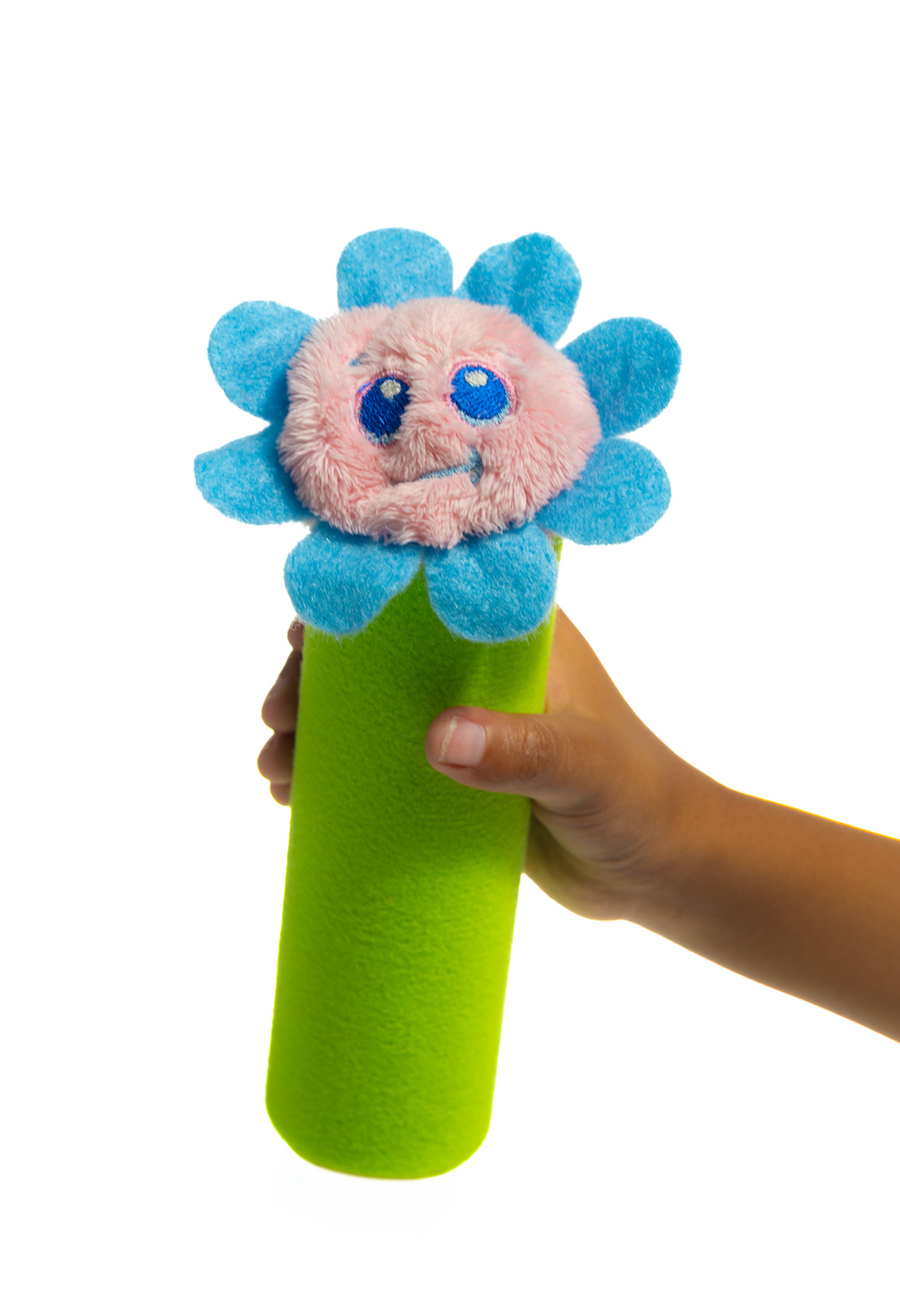
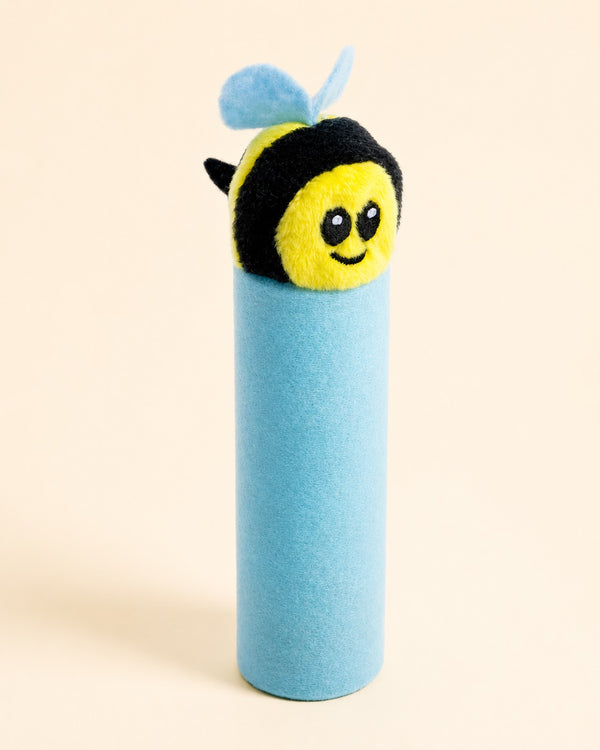
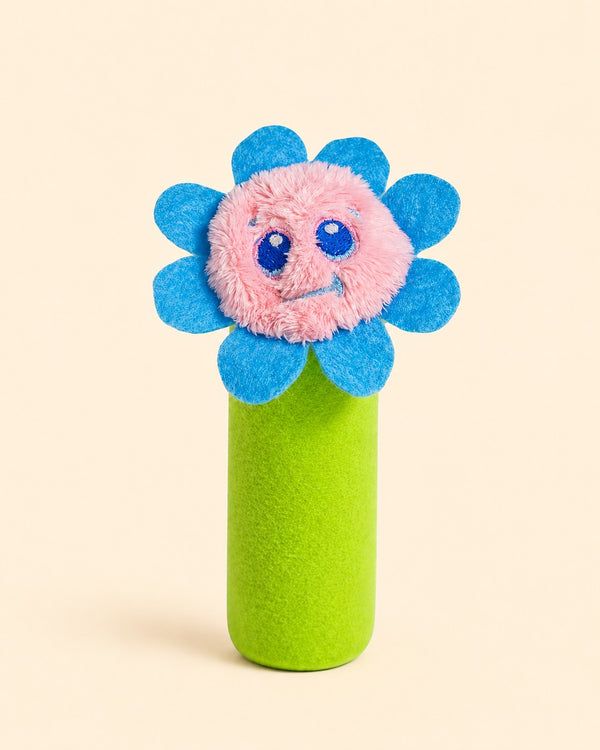
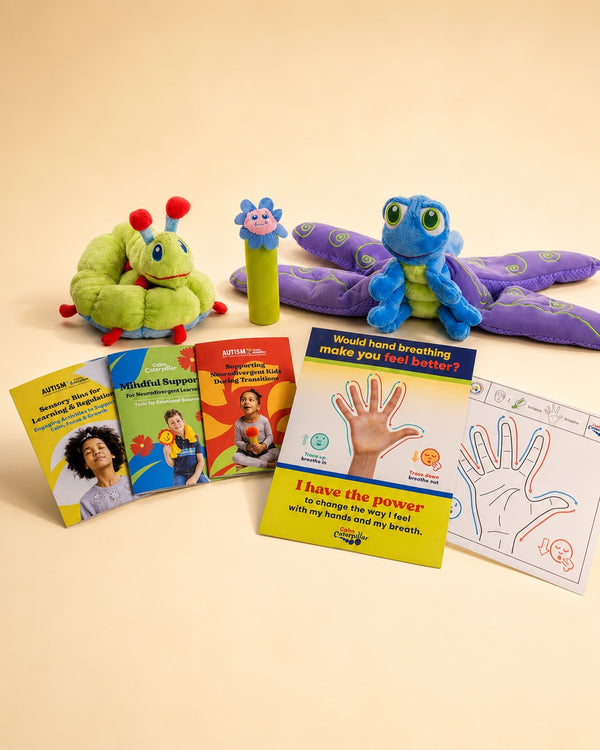
A flower-and-candle shape a child can hold and flip between two forms. Silent, small, and does not need batteries or setting up.
If you want to give something bigger
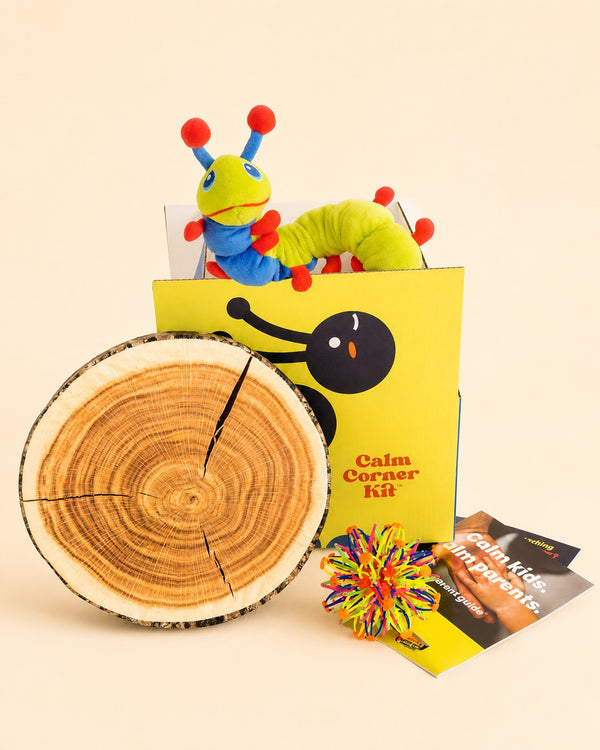
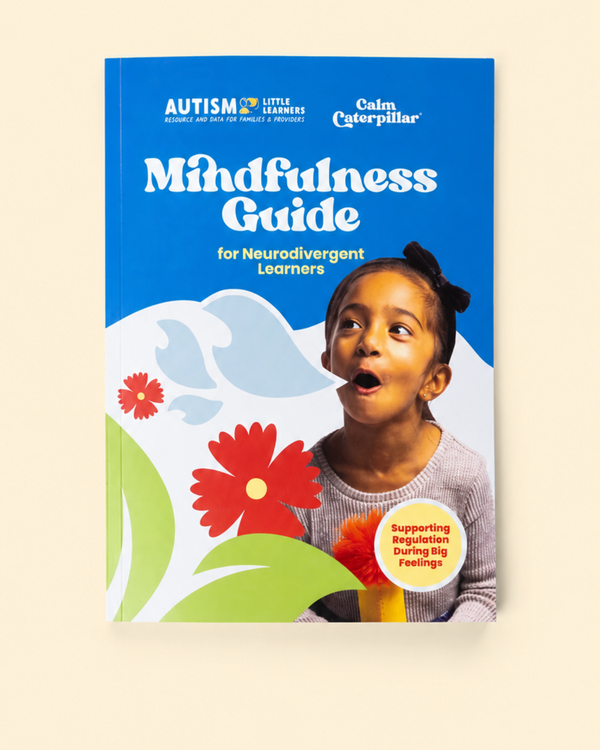
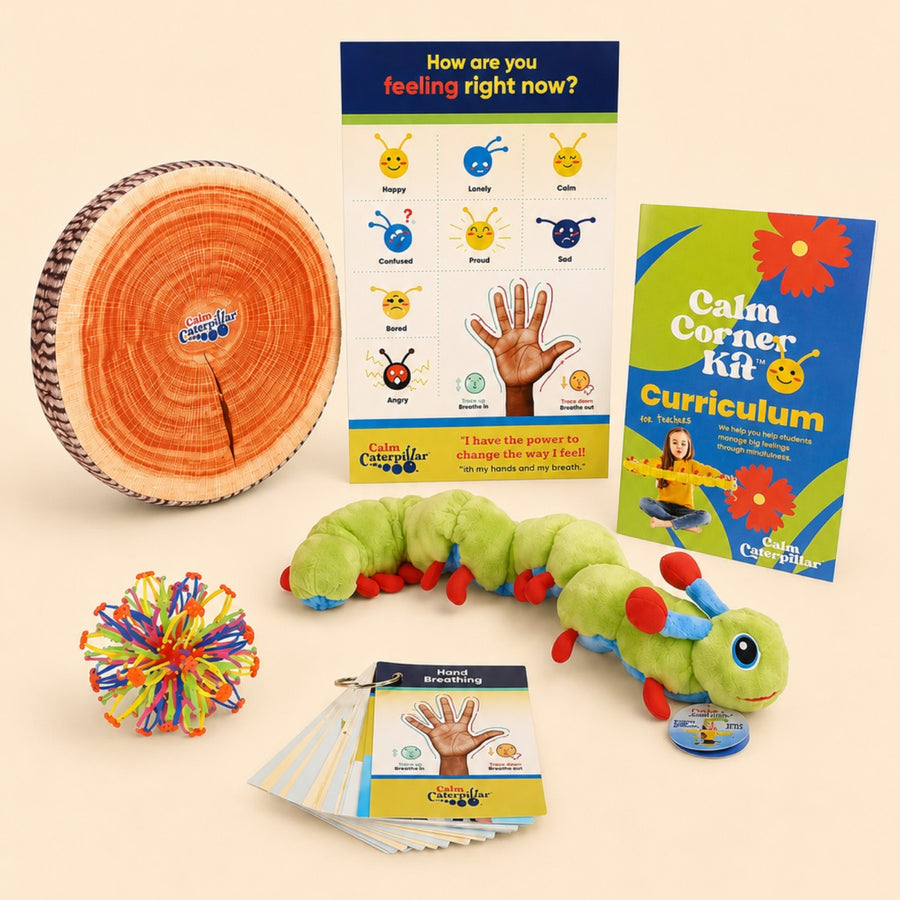
A set of tools and a short guide for setting up one corner of a room a child can go to. It comes with instructions written for the parent, which means you are not the one explaining it.
From parents and teachers
These are from parents and teachers rather than grandparents, because those are the reviews we have. If you buy something from this page and it goes well, we would like to hear it.
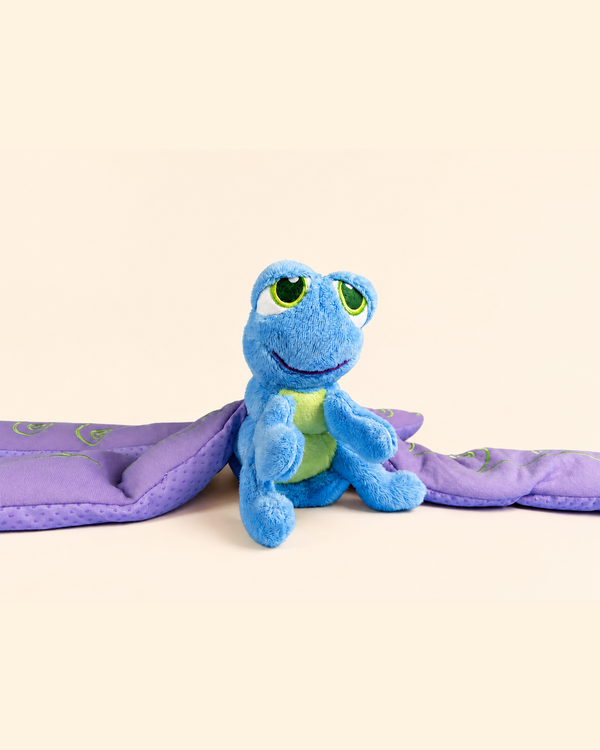
“Calmee’s weighted feel provides just enough relaxation. The stretching while breathing has really helped my students and my own child calm and center themselves!”
“Flutter has been a perfect addition to our calm corner. She is the perfect weight that feels like the best big hug! My 4.5 year old daughter has already independently reached for her three times during emotional times in just the 7 days we’ve had her. Highly recommend Flutter!!”
“I love that is a visual for my students to use to help them Take a deep breath. This is exactly what my student needed when he gets upset in the classroom and needs a moment for himself. This has been a huge help!”
Every tool says what it does, whether it makes a noise, whether it is weighted, and who it may not suit. Options, not a prescription — for the child and for their parents.