Find a place to begin

What does their body want right now?

Choose the closest option. There is no perfect answer, and it may change from one day to the next. Three questions’ worth of guidance, no diagnosis, no email required.

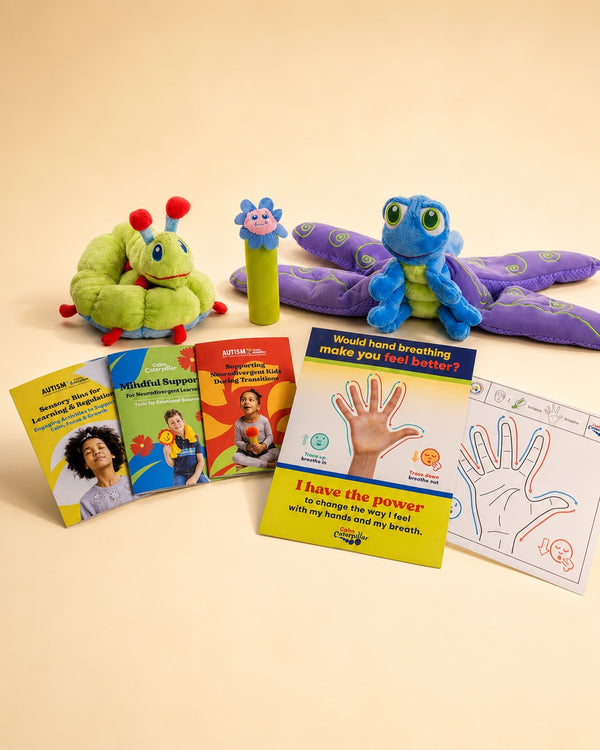
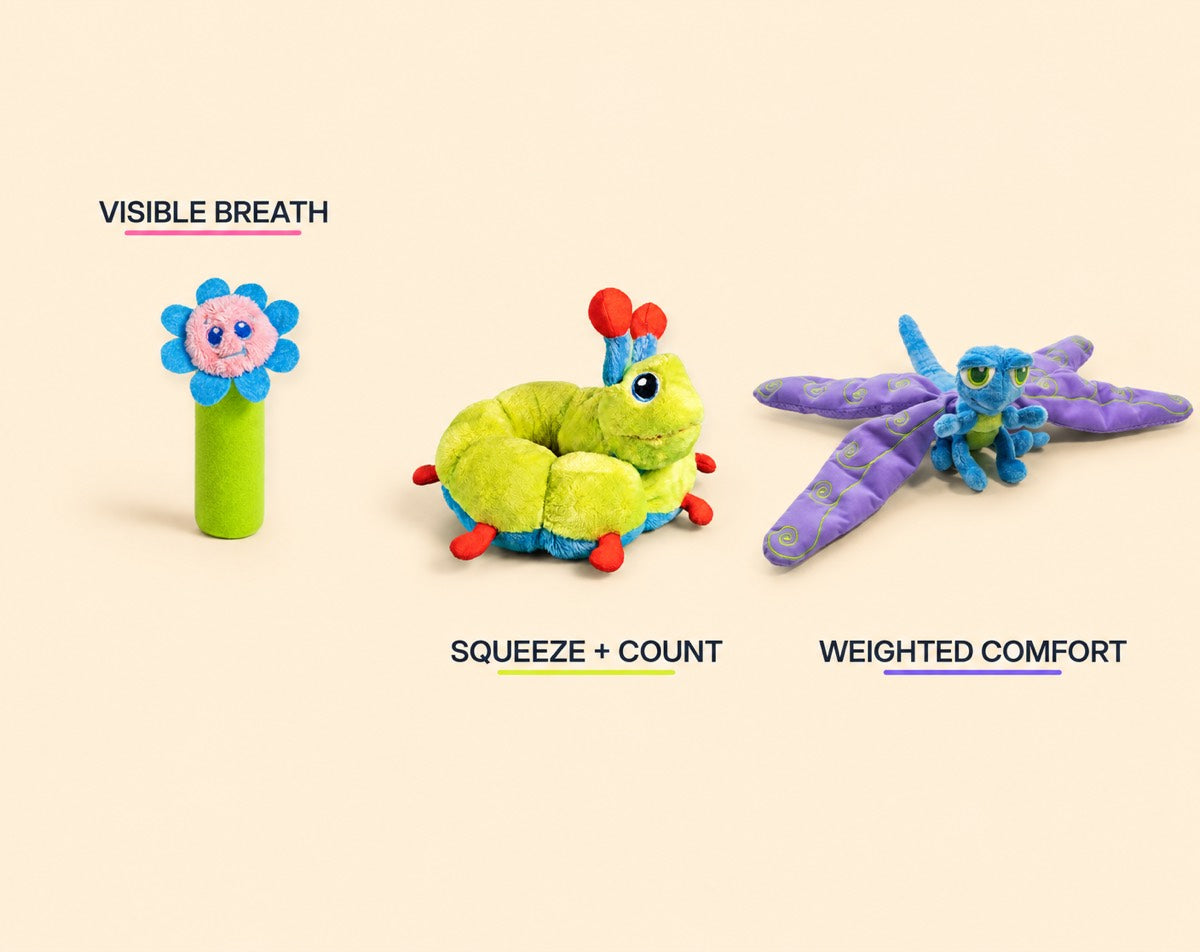
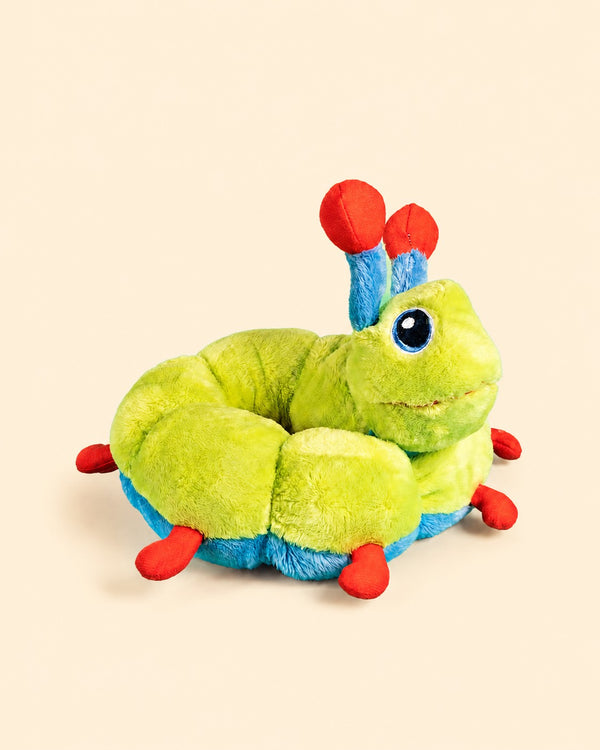
Three Calm Caterpillar tools: Bloomie the breathing stick for visible breath, Calmee the caterpillar for squeeze and count, and Flutter the dragonfly for weighted comfort.

Start with an action

Pick the closest thing to what their body wants.

Open the one that sounds most useful right now. Each opens to one starting point and one alternative — nothing is submitted, and nothing is stored.

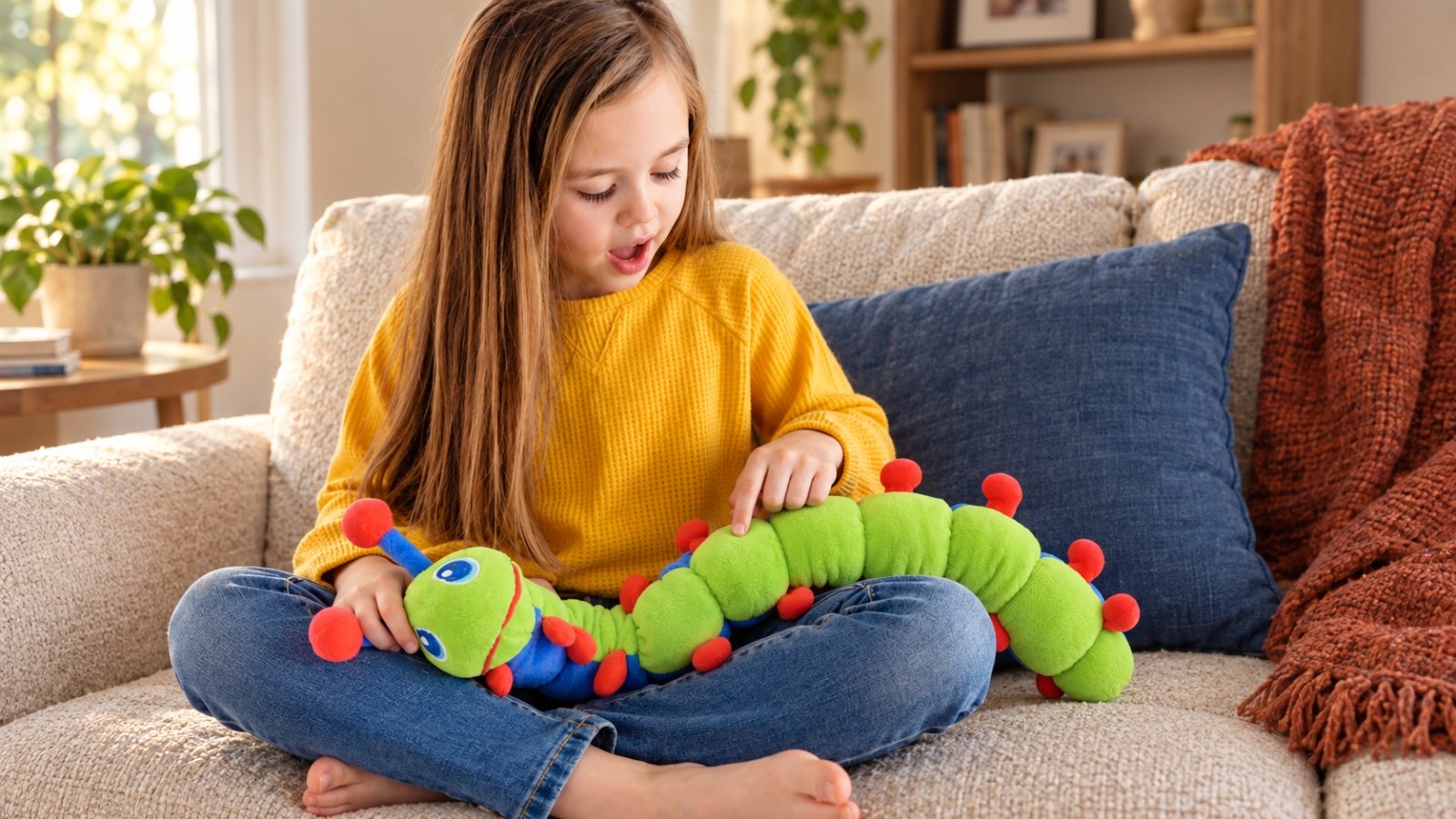
  • Something to hold, squeeze, and countHands want a small job they can repeat.

    Recommended starting point

    Why this came up

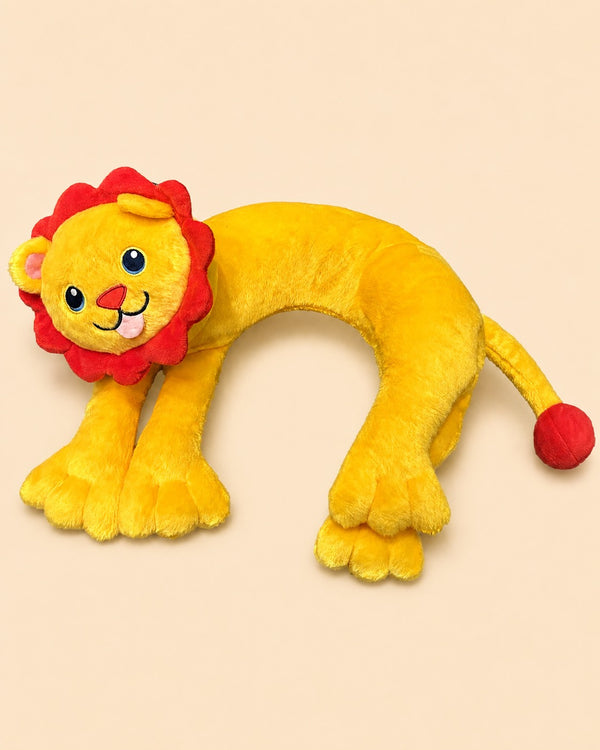
    Ten segments and a stretch band give hands a repeatable action, and the child sets the pace rather than following a count you set.

    What they can do

    • Stretch it long on the breath in, and let it come back on the breath out.
    • Squeeze and count down the segments, one press per number.
    • Drape it across the lap, shoulders, or the back of a car seat and leave it there.

    Another action to try

    If the squeezing turns into fidgeting rather than settling, steady weight across the lap often lands better than something to work.

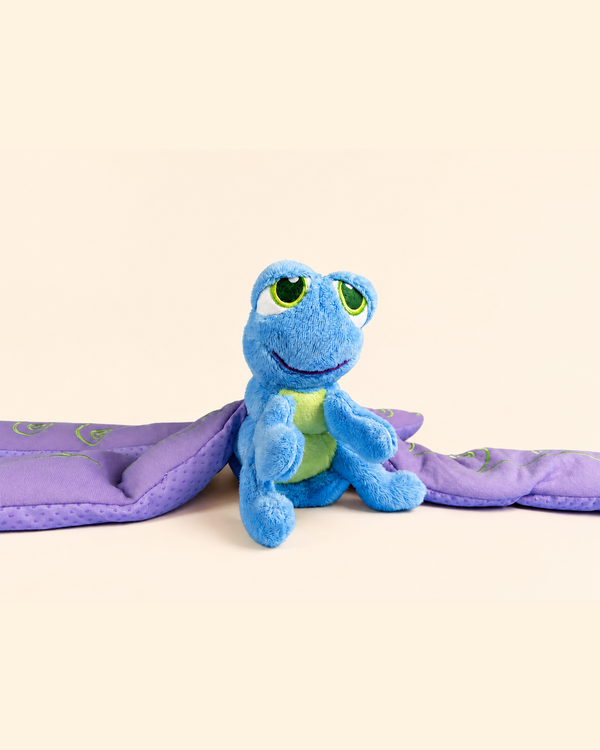
    Flutter the Weighted Dragonfly
  • Weight across the lap or shouldersThe body is asking for steady pressure.

    Recommended starting point

    Why this came up

    Three pounds spread across a body and four wings arrives softly rather than in one block, so a child can place it themselves.

    What they can do

    • Let the child place it across the lap, over the shoulders, or against the chest.
    • Arrange the wings so the weight sits where they want it, not where it looks tidy.
    • They take it off themselves — that is the rule that makes it safe. Ages 4 to 12, with an adult nearby.

    Another action to try

    If the weight is too much on a given day, a lighter plush that stretches and counts gives the same hands something to do.

    Calmee the Caterpillar
  • A breath they can see“Take a breath” is an abstract instruction. This one is visible.

    Recommended starting point

    Bloomie

    Ages 3 to 12

    Bloomie

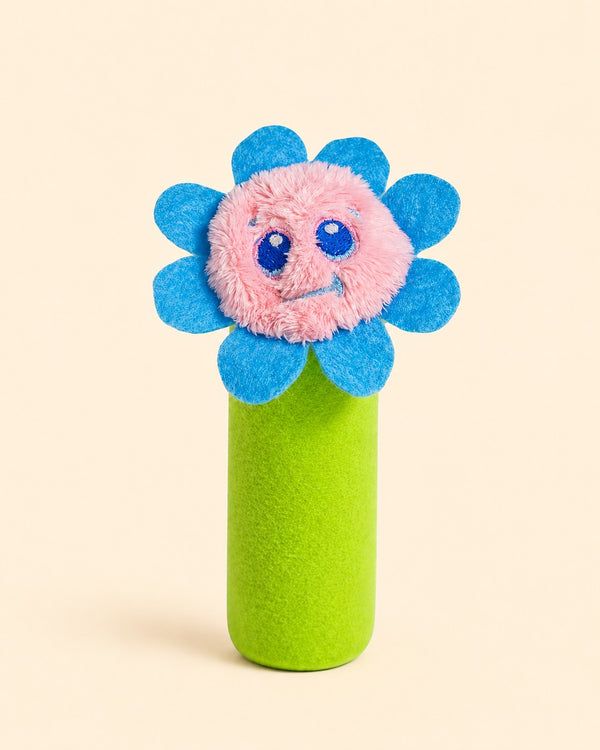
    A flower-and-candle breathing tool children can see, touch, and repeat.

    $14.99
    Regular price Sale price $14.99
    View product

    Why this came up

    A flower at one end and a candle at the other turn an abstract instruction into two things a child can watch and copy.

    What they can do

    • Smell the flower — a slow breath in through the nose.
    • Flip the stick over so the other end is facing them.
    • Blow out the candle — a long breath out they can see and hear.

    Another action to try

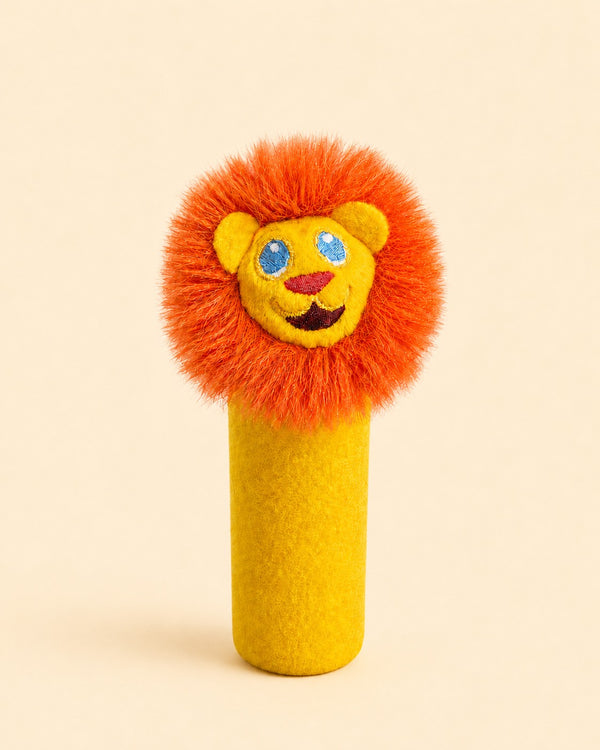
    Same flower, same flip, but the exhale ends in a roar — better where a bit of noise is welcome.

    Rory Junior
  • An exhale with a sound at the endSound gives the breath out a beginning and an end.

    Recommended starting point

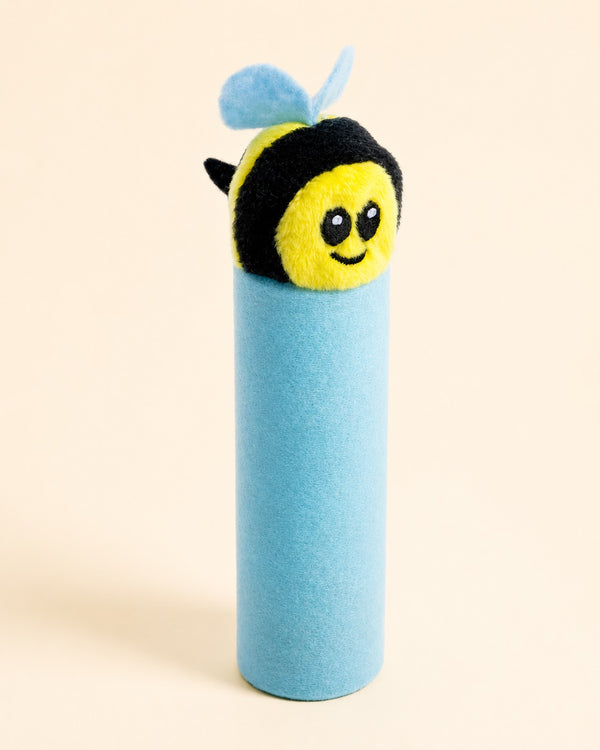
    Buzzee the Bee

    Ages 3 to 12

    Buzzee the Bee

    A buzzing-breath fidget tool for a slow, steady exhale.

    $16.99
    Regular price Sale price $16.99
    View product

    Why this came up

    A buzz stretches the exhale further than an instruction can, and it makes the action playful enough to repeat.

    What they can do

    • Breathe in through the nose, then buzz the breath out for as long as it lasts.
    • Do it together first; most children copy within two breaths.
    • Stop whenever they are done. Three is plenty.

    Another action to try

    A roar instead of a buzz, for a child who wants the bigger version of the same idea.

    Rory the Lion
  • A place to go and a routine to followNot a punishment, and not somewhere a child is sent.

    Recommended starting point

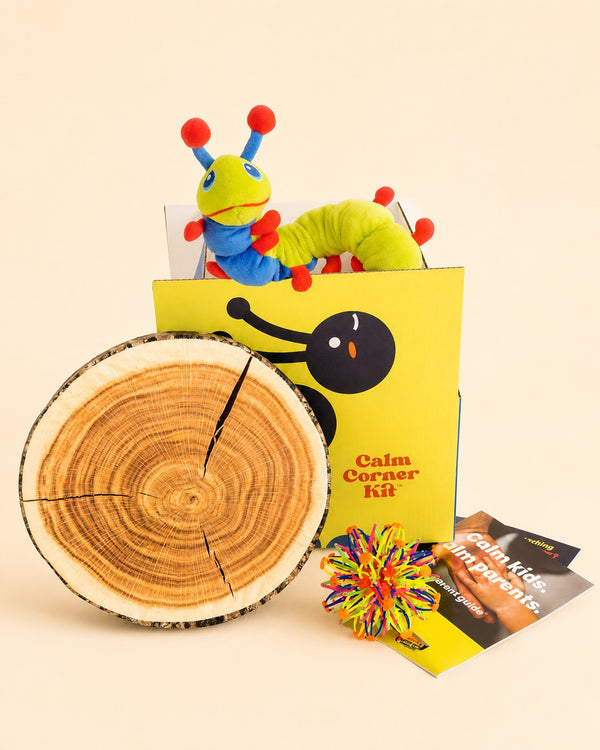
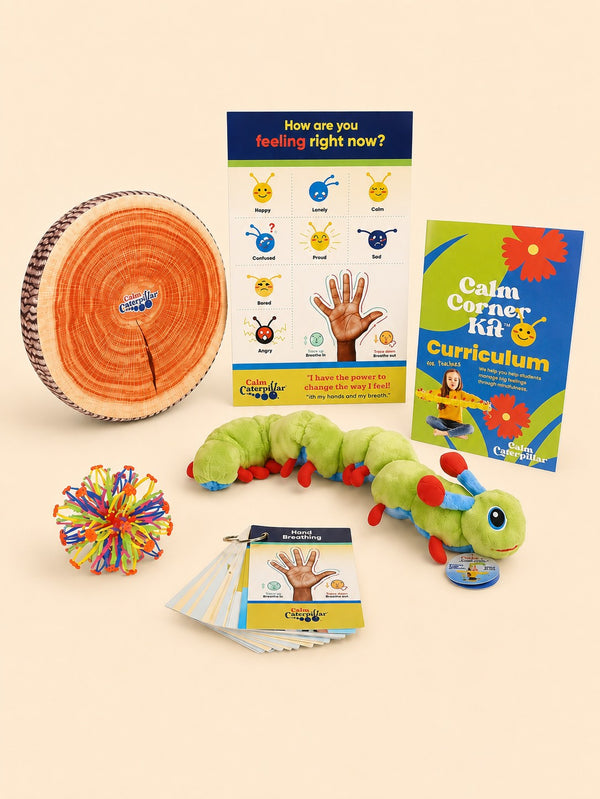
    Calm Corner for HomeSale

    Ages 3 to 12

    Calm Corner for Home

    Physical tools and parent guidance for building a voluntary calm-corner routine at home.

    $99.99
    Regular price $139.98 Sale price $99.99
    View product

    Why this came up

    A corner works when the routine is already familiar, so the kit is the tools plus the practice of using them on ordinary days.

    What they can do

    • Move to the corner — invited, never sent.
    • Choose one of the supports that lives there.
    • Return to whatever was happening, when they are ready.

    Another action to try

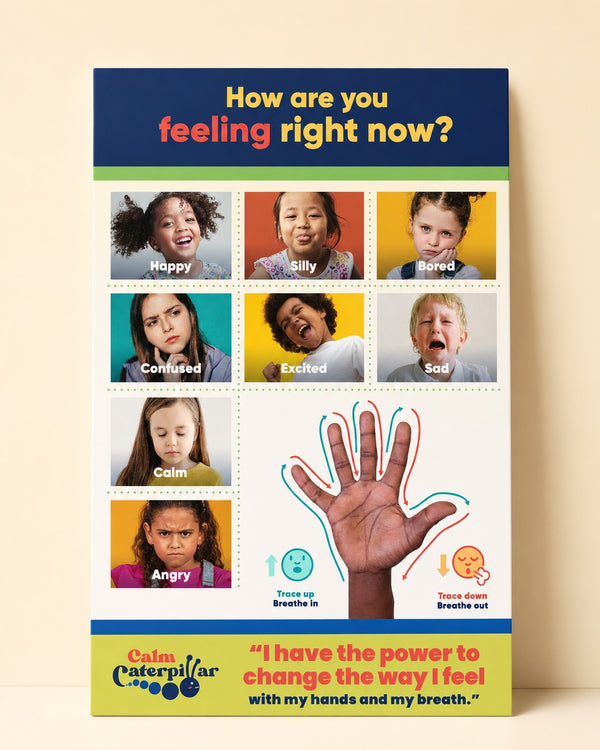
    If the corner already exists, the poster gives a child a way to choose without asking an adult first.

    Feelings & Emotions Chart For Kids & Toddlers — Emojis
  • Words for the feeling, laterFor the conversation that comes after the hard part.

    Recommended starting point

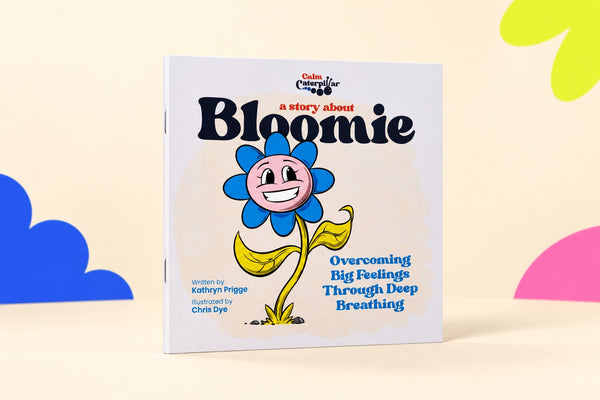
    Bloomie Book

    Bloomie Book

    A story that introduces flower-and-candle breathing before a child wants to try it.

    $9.99
    Regular price Sale price $9.99
    View product

    Why this came up

    A story read on an ordinary evening does the naming work, so the vocabulary is already there on a hard day.

    What they can do

    • Read it when nothing is wrong, not during a hard moment.
    • Let them point at the feeling rather than describe it.
    • Come back to one page rather than the whole book.

    Another action to try

    If the adult wants the practices rather than the story, the guide is the grown-up version.

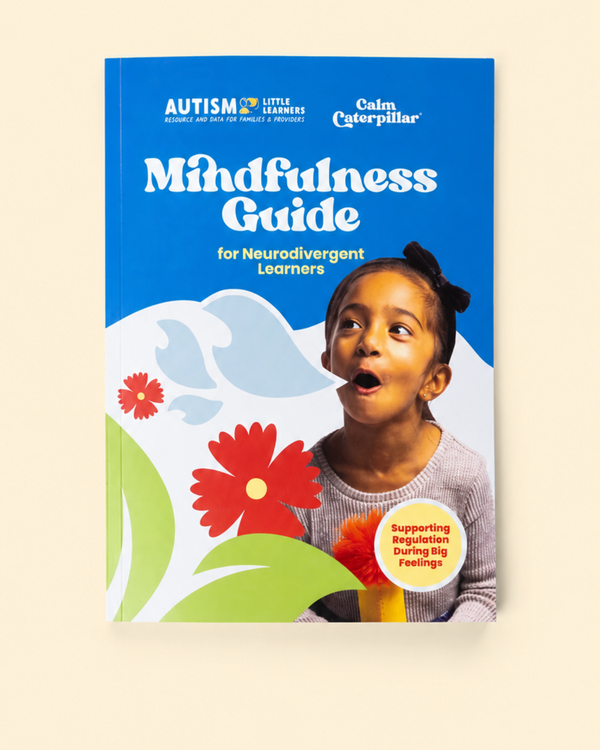
    Mindfulness Guide for Neurodivergent Learners

This chooser offers a starting point, not a diagnosis. Follow the product’s age, care, placement, and safety guidance, and follow the child’s cues about whether they want to use it.

Shop all tools

The useful tool can change.

A child may want pressure one day, movement another day, or no tool at all. The goal is to offer an option—not require a performance.

A child sitting on the floor with Calmee, Flutter and Bloomie laid out in front of them, choosing one.

Or go straight to an action.

  • Weight and pressure

    Flutter, CalmeeBrowse
  • Breathing

    Bloomie, Buzzee, Rory JuniorBrowse
  • Sound

    Rory, BuzzeeBrowse
  • Hold

    Calmee, Rory JuniorBrowse
  • Calm corners

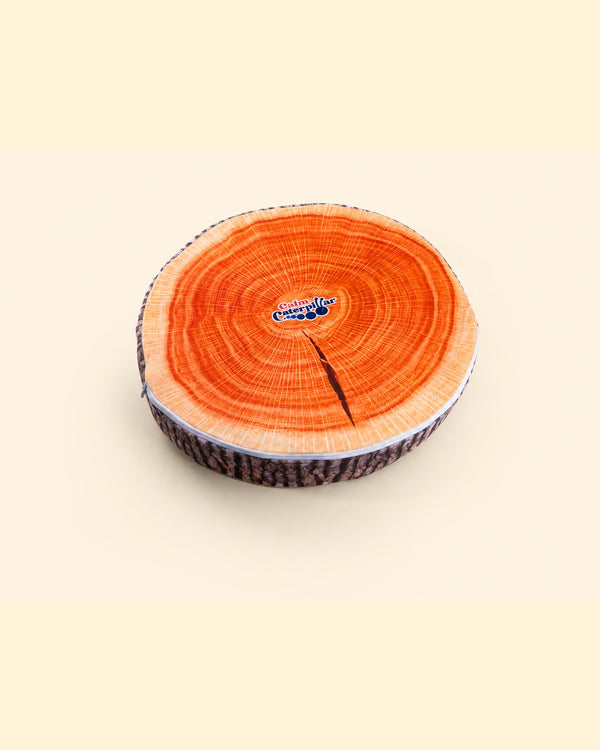
    Kits, Stumpy, the posterBrowse
  • Books and guides

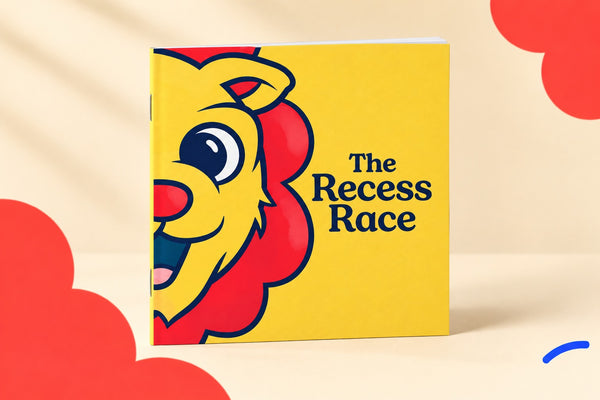
    Bloomie Book, Recess Race, the Mindfulness GuideBrowse

Four things worth knowing before you choose.

None of this requires getting it right the first time.

  • Preference changes by child, setting, and day.
  • Refusing a tool is information, not failure.
  • Two tools that do different things beat two of the same.
  • Introduce it on an ordinary day, not a hard one.

The method behind the tools

Body before behavior.

The five steps — offer, choose, use, pause, return — work the same way at home, in a car, in a hallway, or in a classroom.

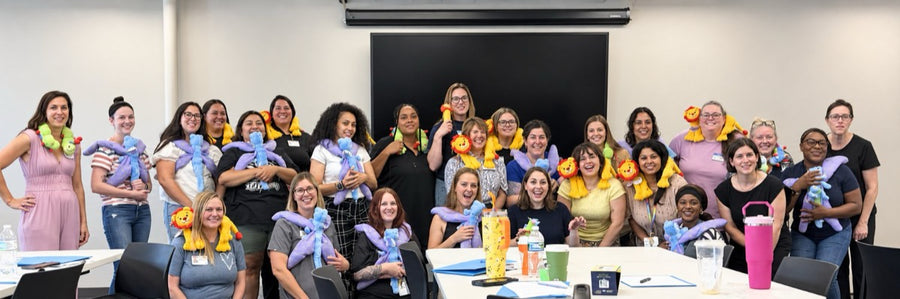
A room of teachers holding Calmee, Flutter and Rory after a training session.

Want to see everything?

Compare the full collection by action, setting, and format.