
Streamed live
April 20, and still free to watch in full.

Preschool Autism Summit
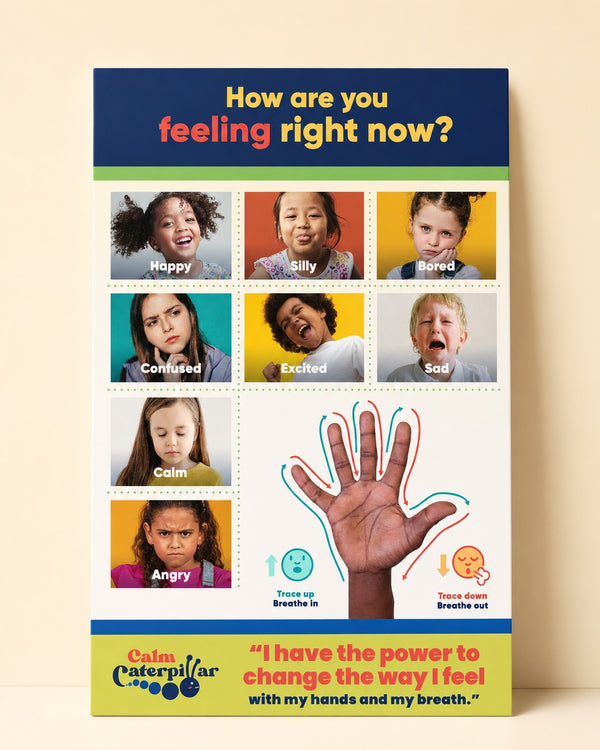
Practical ways to support regulation in a classroom, without making a child the problem to be fixed.
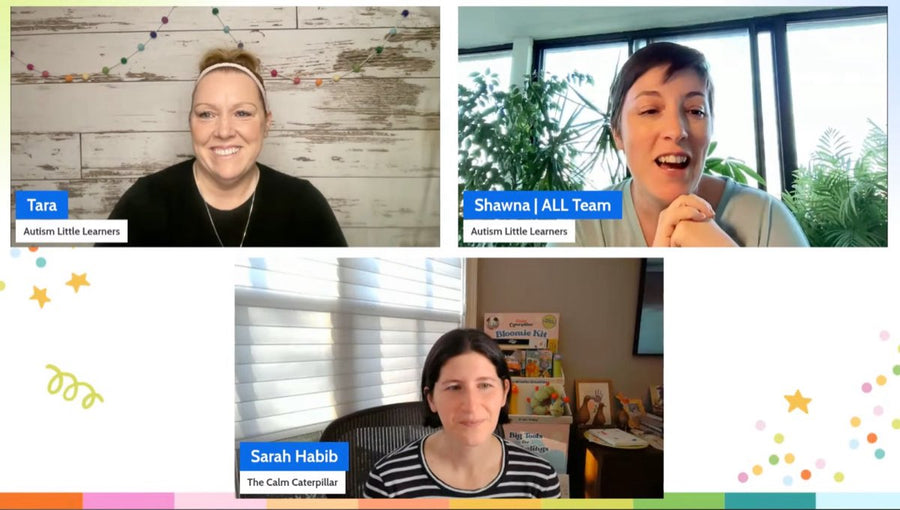
5 Neuro-Affirming Strategies for a Calm Classroom, with Tara Phillips of Autism Little Learners and Sarah Habib of The Calm Caterpillar. Free to watch.

April 20, and still free to watch in full.
Co-hosted with Tara Phillips.
Exhibit demonstrations, and prizes for attendees.
Nothing here treats, prevents, or cures autism.
The session
Originally streamed live on April 20 at 6 pm CT / 7 pm ET, with Tara Phillips of Autism Little Learners and Sarah Habib of The Calm Caterpillar. Simple, practical ways to support regulation in your classroom.
The book from the session
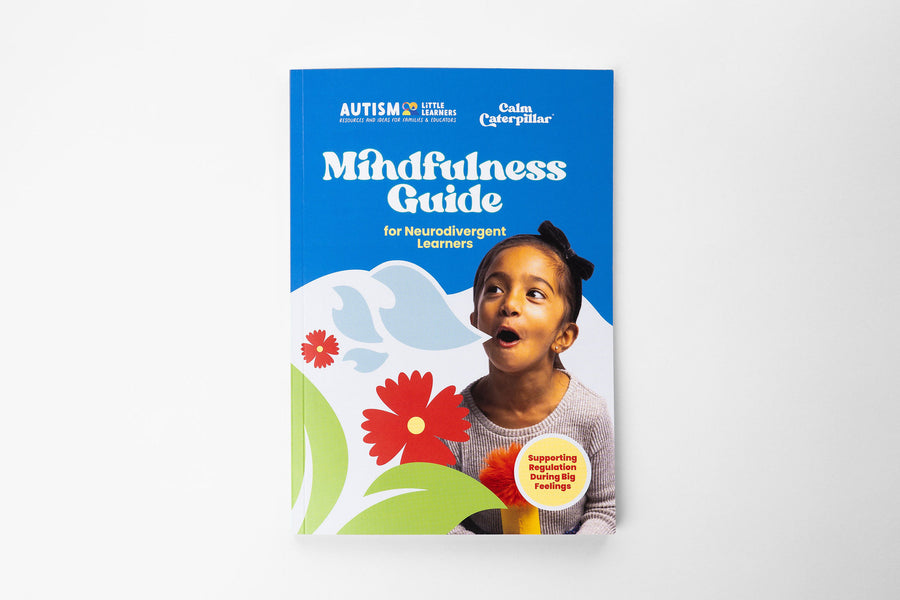
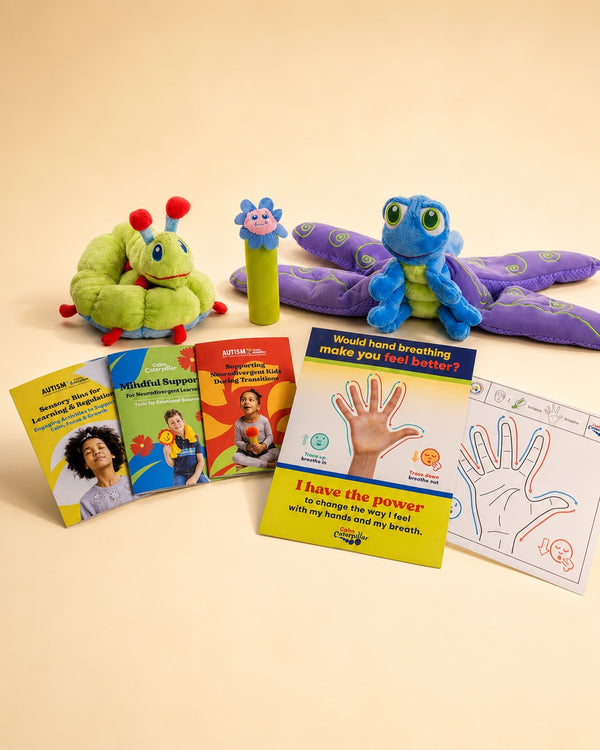
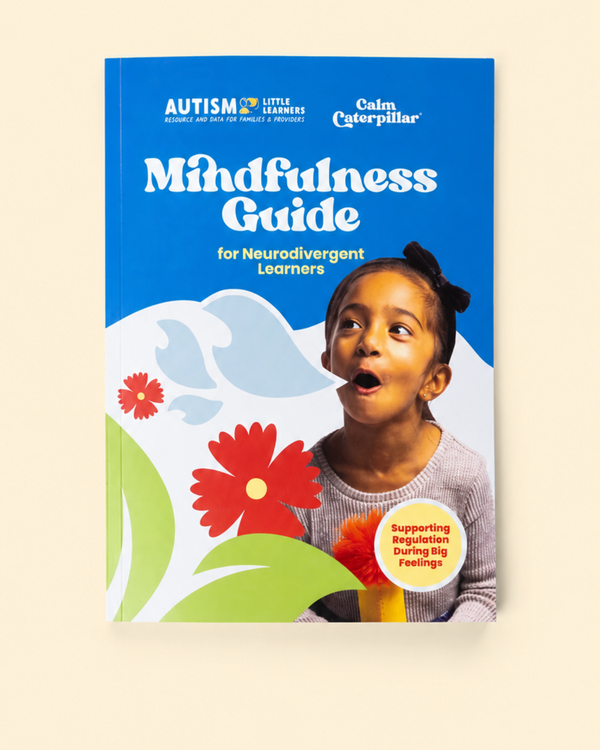
Made with Autism Little Learners, and the guide both hosts are holding in the session artwork. Educators in the comments name it as the thing they reach for most.
See the guideCovered in the session
Nothing else on the list works until the body is settled. The first move is always the environment, not the child.
Movement and pressure land better before circle time than in the middle of it.
A tool a child can refuse is a tool they will come back to. A tool they cannot refuse becomes one more demand.
Visual routines and honest warnings about transitions do more for regulation than any object can.
Describe what you see rather than naming what should stop. The behavior is information, not misbehavior.
From the comments
Preschool teachers, paraprofessionals, and therapists, in their own words, on Autism Little Learners’ posts. Quoted exactly as written.
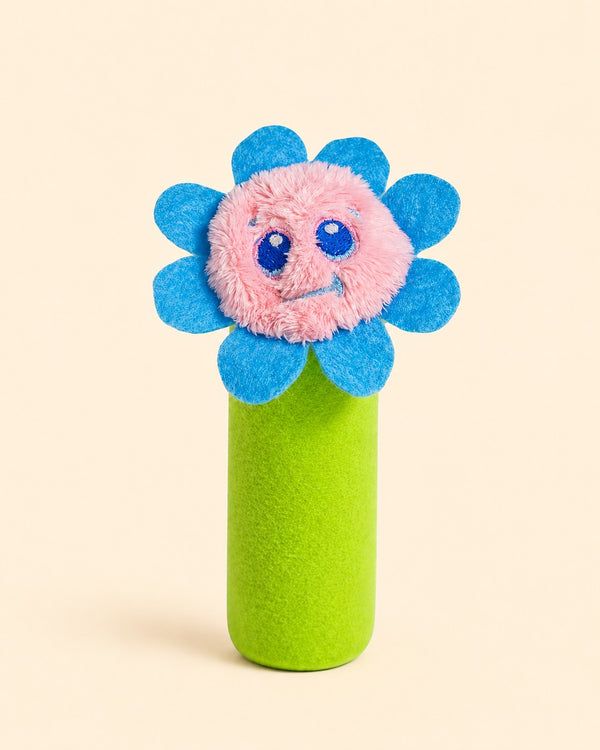
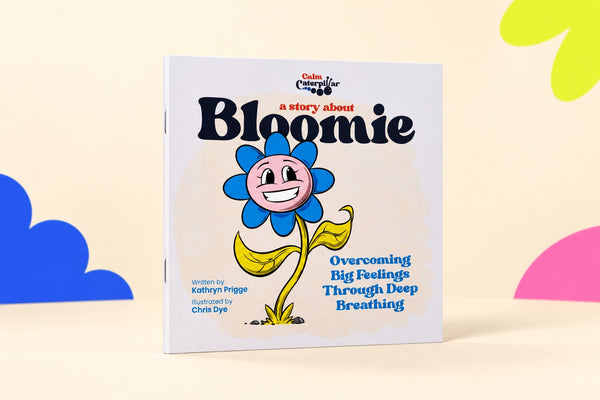
“I utilize the mindfulness guide the most. I love being able to reference back to strategies and share with my paras when collaborating. But my students are really drawn to Bloomie.”
“I added some of these tools to my Amazon wishlist after being introduced to the company at the Summit. So many great tools, and I hope to try them soon both at home and in my therapy room!”
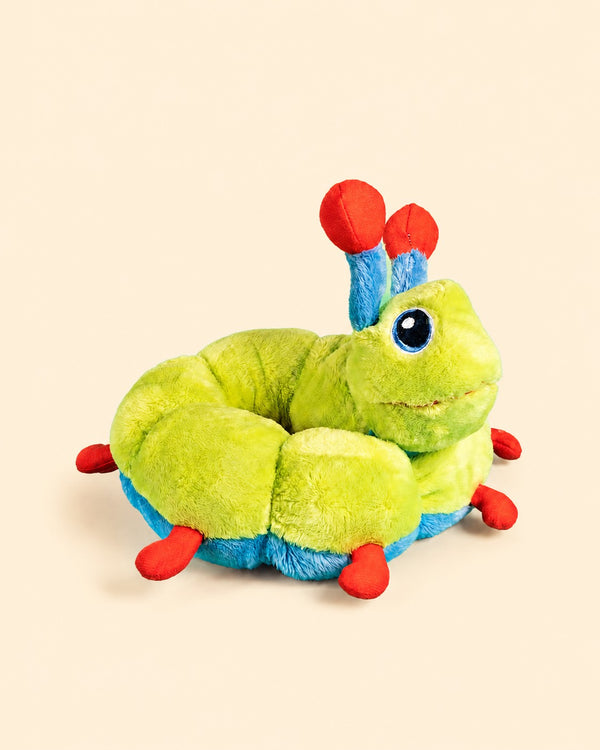
“I appreciated watching the exhibit demonstrations. I have bloomie but have not seen its use modeled before. Im excited to use the Calm Caterpillar from the beginning of the year to support classroom regulation needs”
“I love Bloomie! Got her last year after the summit. One of my students really benefited this year.”
“my students love this one! One day a student was carrying it around and took it to the school secretary and asked her to make it smell pretty. Thankfully she had a nice smelling essential oil on hand.”
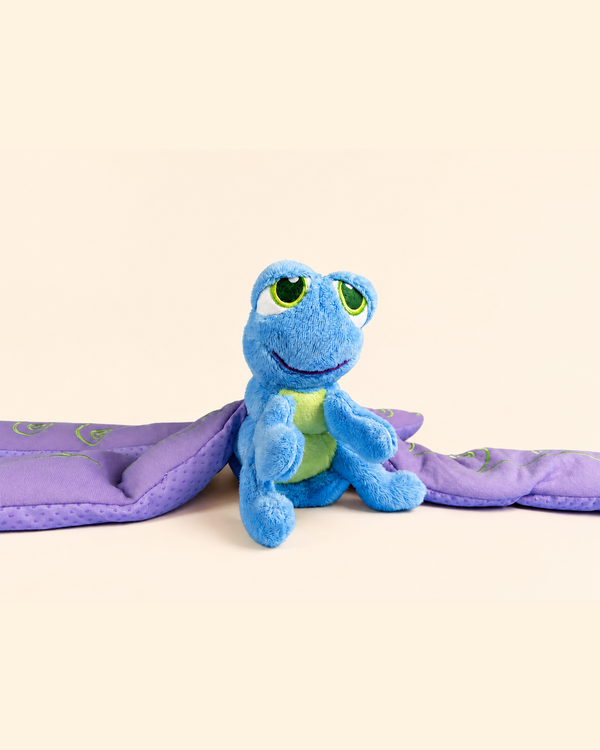
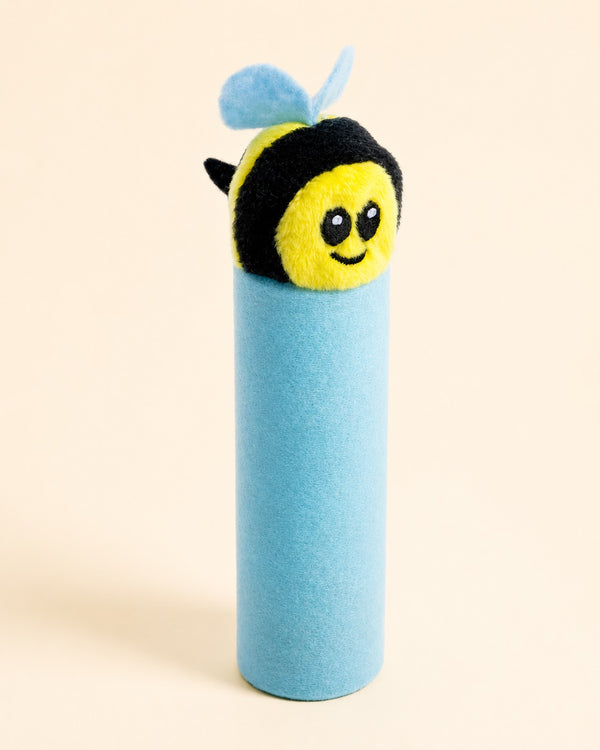
“I love Sarah and Calm Caterpillar!! That dragonfly!!! I really want the flower/bee because our school mascot is a bumblebee!!! I teach my kids all the breathing techniques-buzz, roar, etc and these hands on tools are simply AMAZING!!!!”
“this is an obsession in my room! I love it.”
“I haven’t used Calm Caterpillar yet! But I saw Bloomie to Calmee and immediately put it on my wish list! We do the smell the roses/flowers then blow out the candle all the time!”
“Love these products! I also have the Mindfulness Guide they did with Autism Little Learners. I want to add the dragonfly to my tools this year”
From Amazon
Reviews of the Mindfulness Guide, the book from this session, shown as written. Spelling and punctuation as written. Nobody was paid or given a product in exchange for a review.
Great classroom and home Regulation support tool
“Tara from Autism Little Learners and Sarah from the Calm Caterpillar are rockstars in the world of regulation support for Littles. This a great book full of tricks and tips to troubleshoot and support regulation in the classroom and at home. It’s a great tool I will use for my ASD PreK classroom”
Great Resource!
“This resource is filled with practical, easy to implement strategies to help even the youngest learners regulate their sensory systems!”
Beautiful and practical resource every teacher needs!
“As a public school 4K teacher, I’ve been screaming from the rooftops lately, ‘This book is AMAZING!’ My principal asked to borrow it and now she has ordered additional copies for our staff. The strategies and ideas are practical and backed up by research. I love how the ‘Educator Tips’ always sit next to the ‘Parents Tips,’ making this book a great resource for teachers and families alike.”
Four common patterns and the tools that answer them. A child may fit several of these, or none — that is normal, and no group is a diagnosis.
A body looking for pressure and resistance. Usually the loudest pattern in a classroom and the easiest to misread as rough play.
Oral and auditory input. Often the pattern parents find hardest to interrupt, because the child is using what is nearest.
Not a sensory problem to solve with an object. Predictability does most of the work here, and a visual is the cheapest way to buy it.
Free, and the most useful thing here
Warn about changes before they happen, every time.
A body that has not been given a way to come down. Evenings and after-school are usually where this shows up.
Timing
Offer it early in the wind-down, not as a last resort when everyone is already past it.
Not sure which group fits?
We will name one tool, one alternative, and where each may not fit.
For professionals
If you are buying under a business or district name, you do not have to use the regular checkout. Tell us what you need and we will send a quote.
Specifications, weight, materials, cleaning, and use boundaries in one place, so you can decide what belongs on a caseload.
Multi-user rooms, shared equipment, and cleaning between children. Sizes and quantities for a room rather than a household.
Purchase orders, invoicing, and W-9s. If your district needs paperwork before it can buy, this is the route.
Classroom sets, center orders, and multi-room rollouts run through a quote rather than the cart. Send the quantity, the products, your organization name, and whether you need a W-9 or a tax-exemption certificate on file.
Every tool lists the physical action it offers, whether it makes sound, whether it is weighted, and where it may not fit. Nothing here treats, prevents, or cures autism, and nothing is meant to make a child less autistic.