
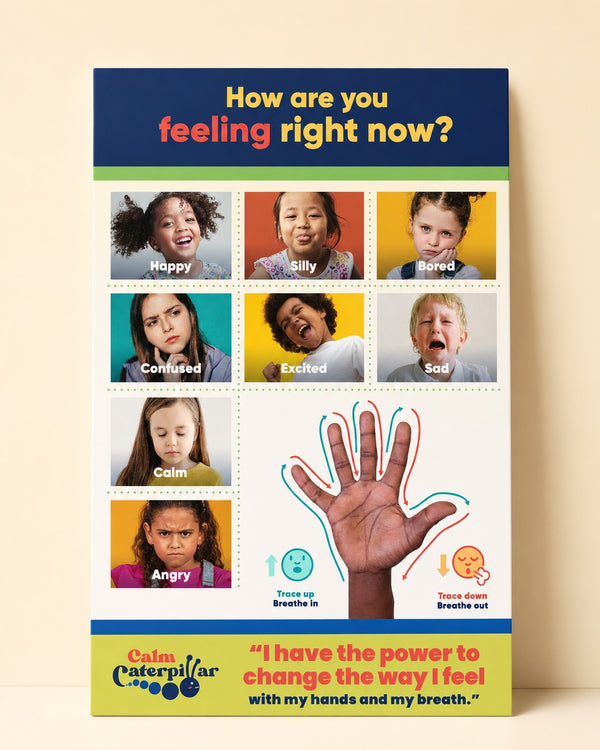
Observation
Approaches
What do they reach for without being prompted?

Autism, sensory preferences and needs
Autistic children are not one sensory profile. Some seek pressure, some avoid touch, some like repetition or sound, and some want space. Calm Caterpillar offers options—not a prescription.
Autism Little Learners
Watch 5 Neuro-Affirming Strategies for a Calm Classroom, co-hosted with Tara Phillips of Autism Little Learners, and see the tools mapped to what you notice.

Calm Caterpillar does not treat, prevent, cure, or normalize autism. These are physical tools a child may choose to hold, squeeze, move, breathe with, listen to, sit on, or leave alone.
A diagnosis can tell you something important about a child. It cannot tell you whether pressure feels welcome today, whether sound feels like too much, or whether a familiar object feels useful.
Ask the child when you can. Speech is one way to answer, and so are AAC, signs, gestures, pointing, writing, and walking away. A child who cannot tell you in words can still tell you.
Not everything on this page is a preference. Sound that is too loud, light that is too bright, or touch that is unwanted can hurt. Those are needs, and they come before any product.
Begin with the physical action—not the diagnosis. Each option below may fit some children or moments and may not fit others.
May not fit when
A child avoids pressure, heat, weight, or restricted movement.
May not fit when
Touch, texture, resistance, or repetition is unwanted.
May not fit when
Breath prompts feel frustrating, demanding, or inaccessible. Completion is never required.
May not fit when
A child is sound-sensitive, or the setting needs quiet. A no-sound option is always offered.
May not fit when
Naming or choosing a feeling becomes another demand.
May not fit when
The space becomes isolating, punitive, cluttered, or compulsory.
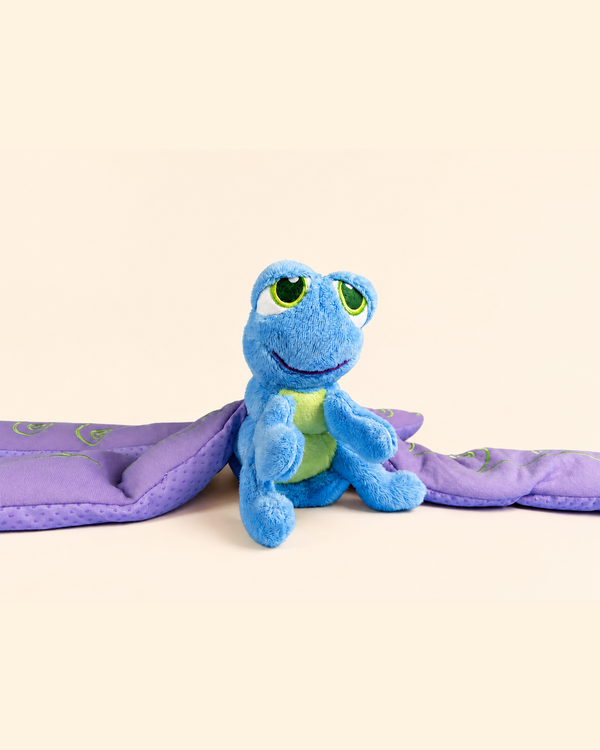
Flutter is the only weighted product in the range. Calmee is a stretch, squeeze, count, or hold tool and is not weighted.
My child tends to…
Tell us what you notice most often and we will name one starting tool, one alternative, and where each may not fit. It is a starting point—not a score, diagnosis, sensory profile, or promise of a match.
A new tool can be one more unfamiliar demand. Let the child meet it when nothing needs solving.
If they can answer in words, signs, AAC, gestures, pointing, or writing, ask before you offer.
No crisis, reward, or consequence attached to it.
Stretch, squeeze, flip, place, buzz, or sit — one action, not a routine.
Use plain language and leave room for no response.
Do not require a number of breaths, minutes, or repetitions.
Silent, lighter, farther away, or no tool.
Observe what was approached or avoided; put the tool back without turning the moment into a test.
What a child can hear from an adult
A child is never asked to finish calming down before leaving, speaking, returning, or moving on to something else. There is no required number of breaths, minutes, or repetitions anywhere on this page.
A sensory tool is not a reward for compliance and not a consequence to withdraw. It belongs to the child, and it stays somewhere they can reach it without asking an adult first.
It is a nervous system past its limit, and it needs less input and more time, not a correction.
Read about meltdowns and shutdowns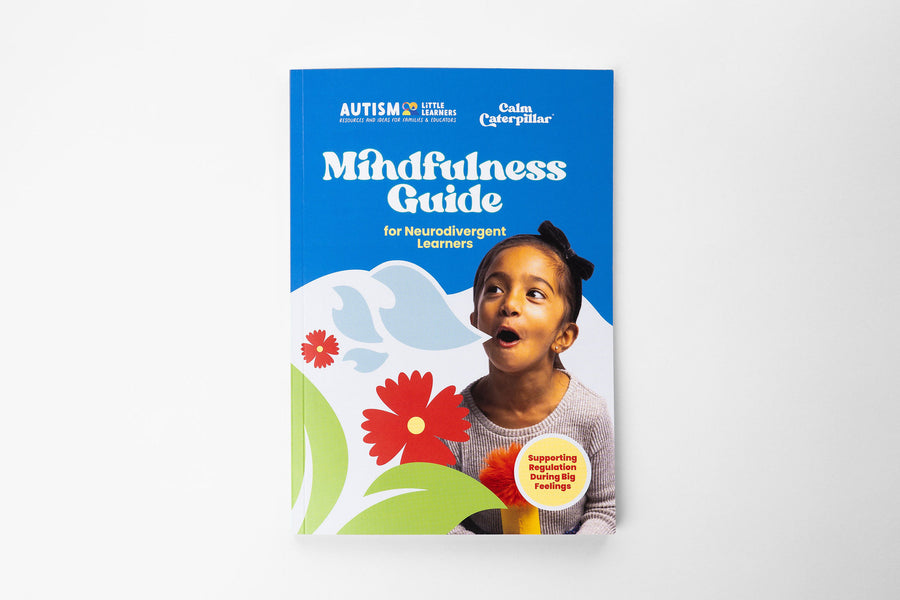
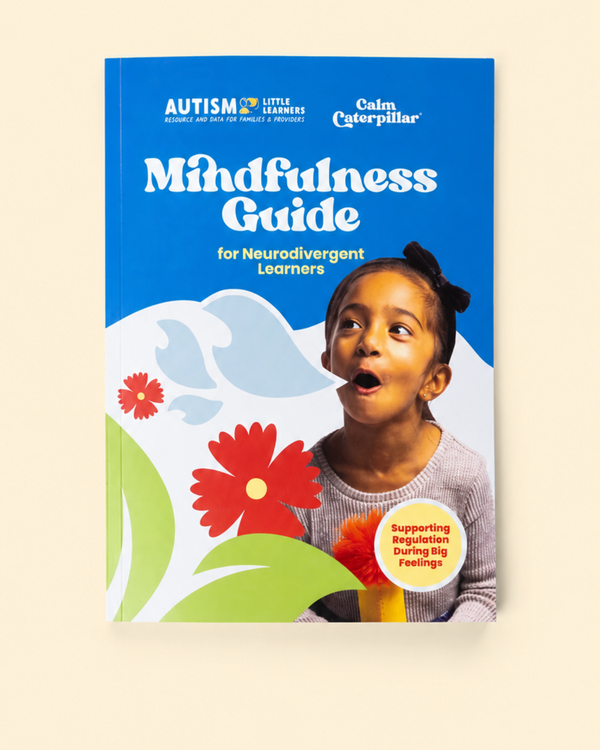
A mindfulness guide for parents, educators, and therapists.
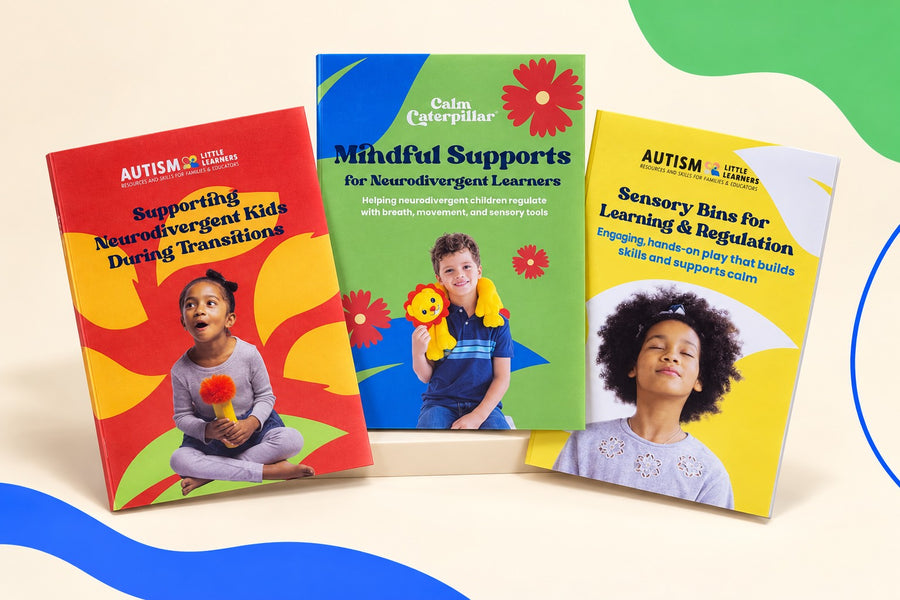
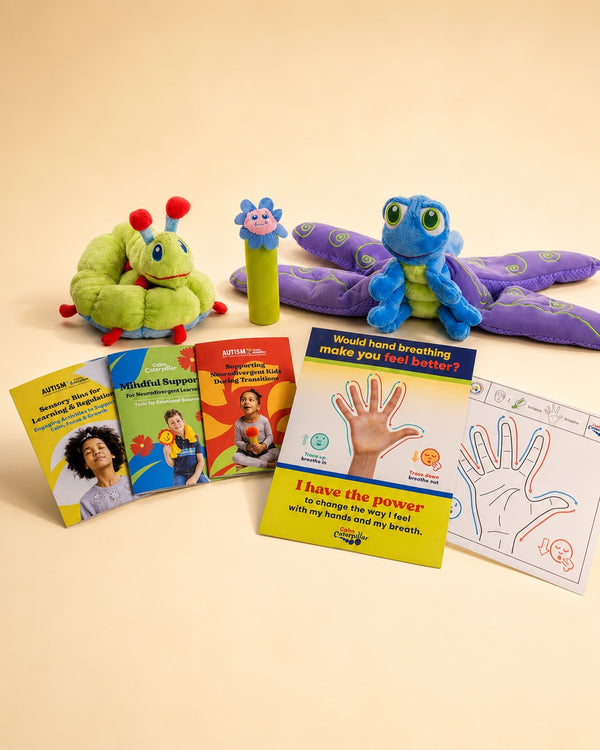
Supporting Neurodivergent Kids During Transitions, Mindful Supports, and Sensory Bins for Learning and Play.
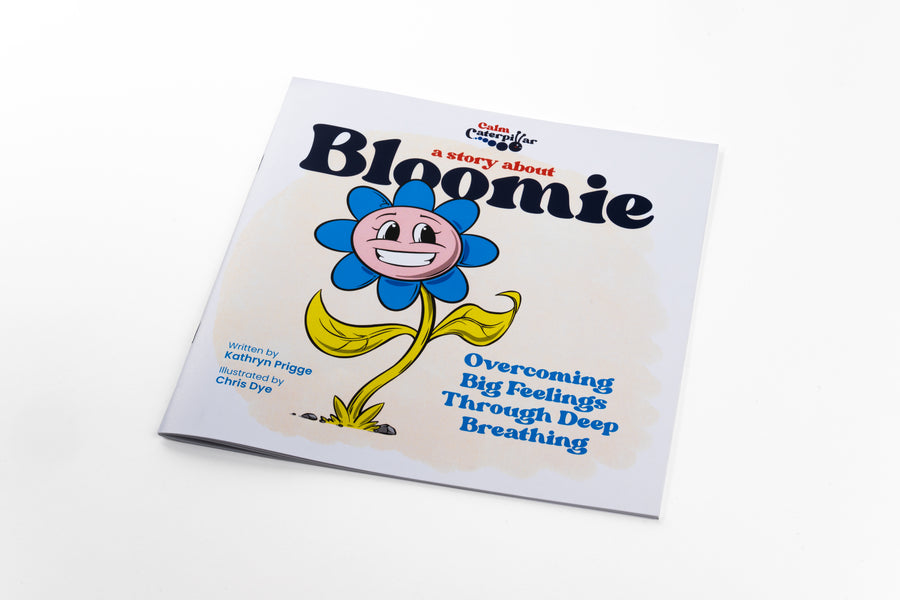
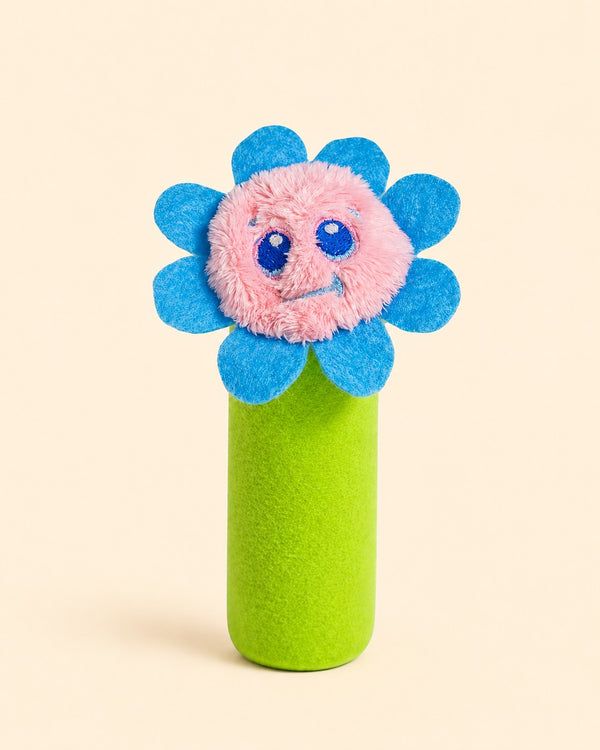
A story that introduces flower-and-candle breathing before a child is asked to try it.
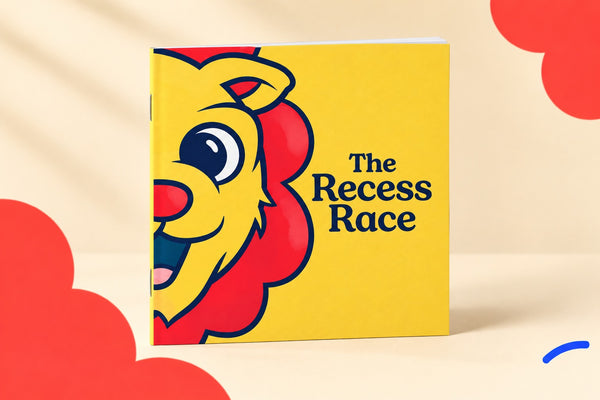
A story about competition, losing, and the big feelings that follow.
Each card names one physical action, its sound and weight status, and where it may not fit. Only currently available products with complete enough age, care, safety, and use information appear here.
None of these tools is a replacement for stimming. Rocking, flapping, humming, pacing, and repeating are already regulation, and they do not need to be swapped for something quieter or easier to hold.
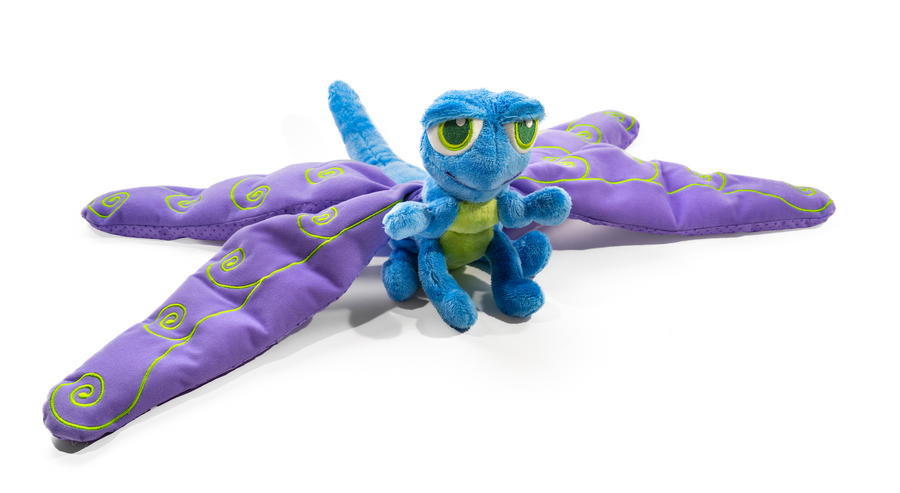
Place, hold, reposition, or remove a weighted option.
May not fit when
A child avoids pressure, heat, weight, or restricted movement.
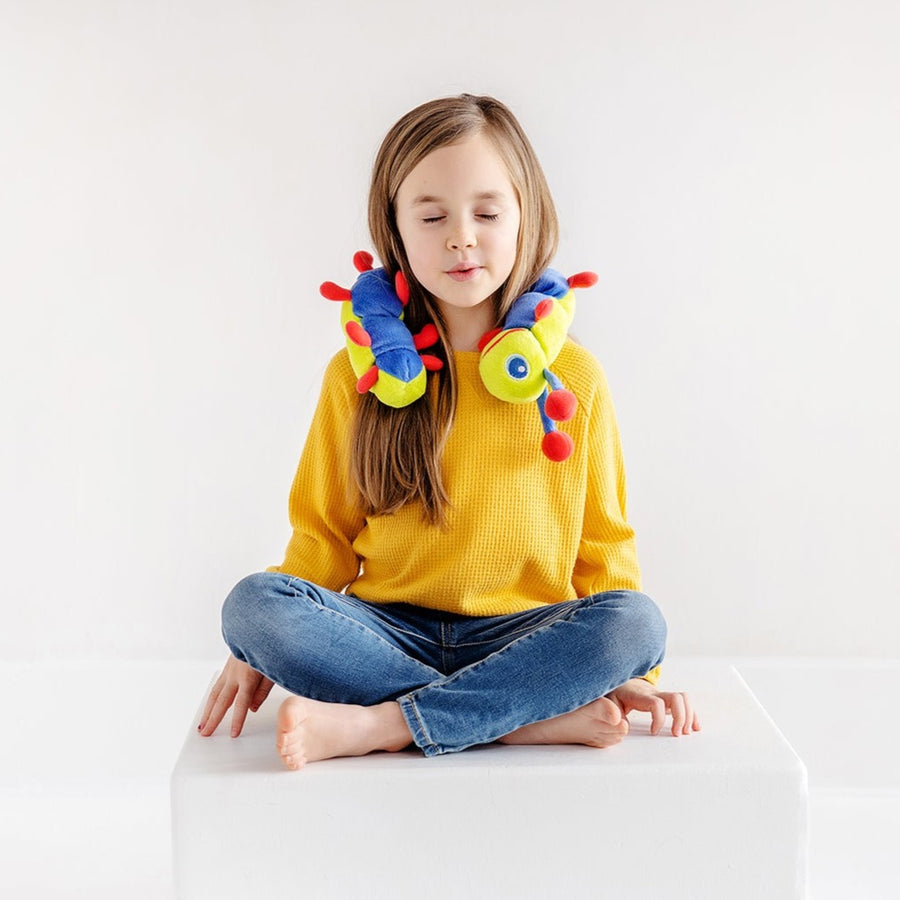
Stretch, squeeze, count, or hold.
May not fit when
Touch, texture, resistance, or repetition is unwanted.
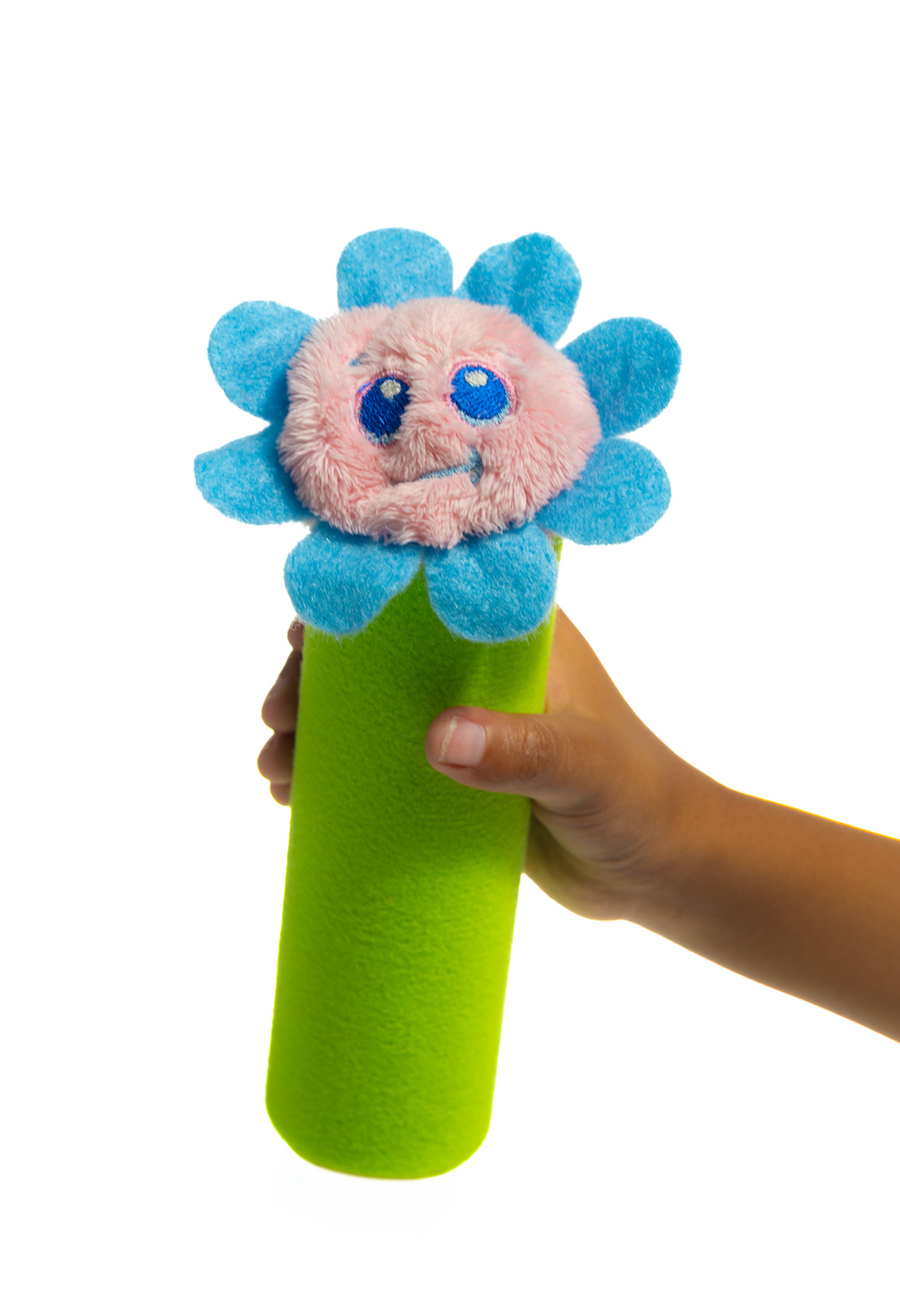
Flip between flower and candle breathing cues.
May not fit when
A breath prompt feels demanding, frustrating, or inaccessible.
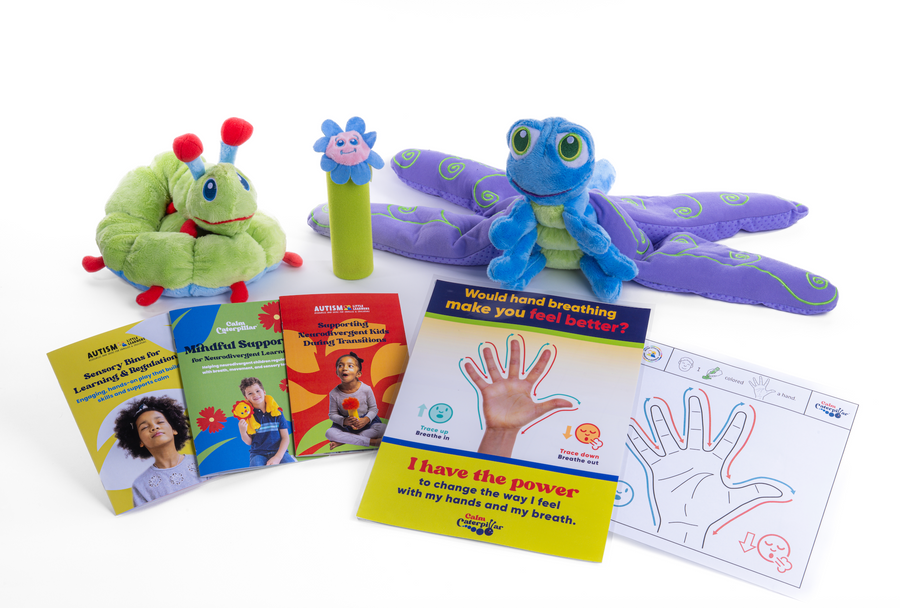
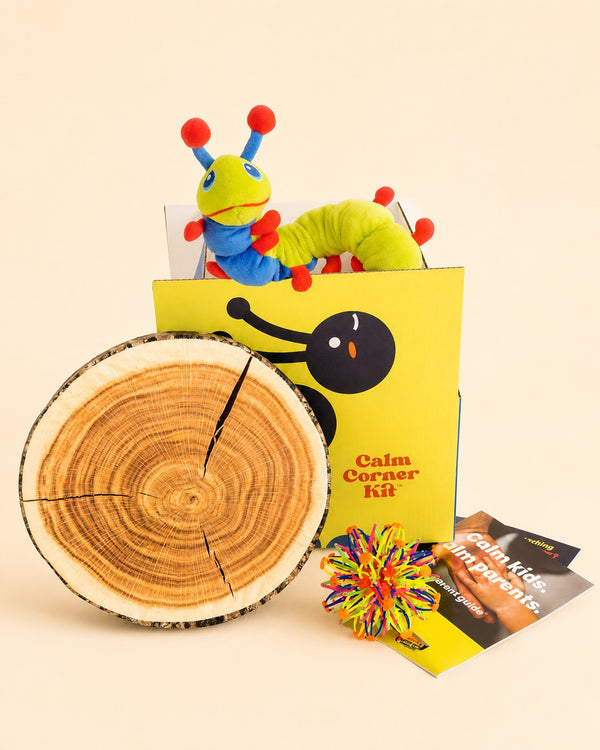
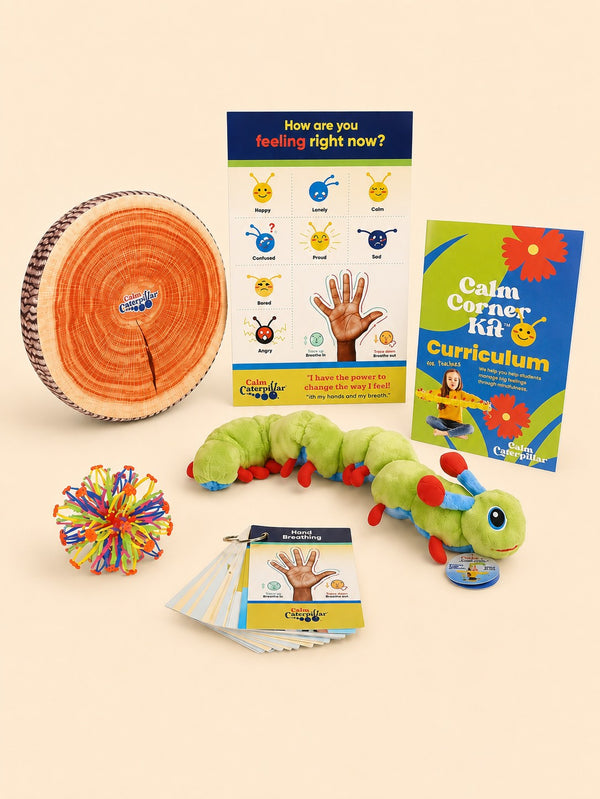
A set of physical options kept together in one place.
May not fit when
A set is more input than the child wants right now; single tools are available separately.
No. Calm Caterpillar tools do not treat, prevent, cure, or normalize autism. They are physical tools a child may choose to use or leave alone.
No. Preferences differ by child, setting, and day. A child may seek an input, avoid it, or change their response to it.
No. Rocking, flapping, humming, pacing, spinning, and repeating are regulation that is already working, and they are not something to trade for a quieter object. A tool can sit alongside stimming as one more option. It should never be offered as a substitute for it, and stimming should not be redirected because it looks unusual to other people. Safety is the only reason to interrupt — and then the question is what the body is asking for, not how to stop it.
Yes. A child should be able to decline, remove, or leave a general-use tool. Product-specific safety guidance and professional guidance still apply.
Begin with what you have observed — what they approach, avoid, repeat, or remove — then review the exact specifications for the tool you are considering. For weighted or individualized support, involve a professional who knows the child.
No. Calm Caterpillar products are physical sensory and breathing tools. This page exists to offer respectful autism-specific guidance without turning a diagnosis into a product promise.
Stop the prompt. Remove any pressure to perform it, and offer another option — a silent action, a different tool, or no tool. Nothing has to be finished.
Read the product specifications first: Flutter is 3 lbs (about 1.4 kg) spread across the body and four wings, for ages 4 to 12 with adult supervision. The child should be able to place, reposition, and remove it without help, and it should never be used to restrict movement or during sleep. For an individual plan, review it with the child’s occupational therapist, clinician, or education team.
The Occupational Therapists page carries product specifications, use boundaries, and evaluation resources for professionals.
Compare the physical action, sound, weight, size, care, and use boundaries—then leave room for your child’s answer.
Home, classroom, clinic, or center — tell us what the hard moments look like and we will suggest a starting point, or quote a set of tools.