




Hard transition
Screen off
Name a stopping point inside the thing — the end of the level, the end of the episode — rather than a number of minutes they cannot verify.

Guide · 4 moves
What a five-minute warning actually asks for, the four moves that make a change cheaper, and the five transitions that come up most.
The four moves
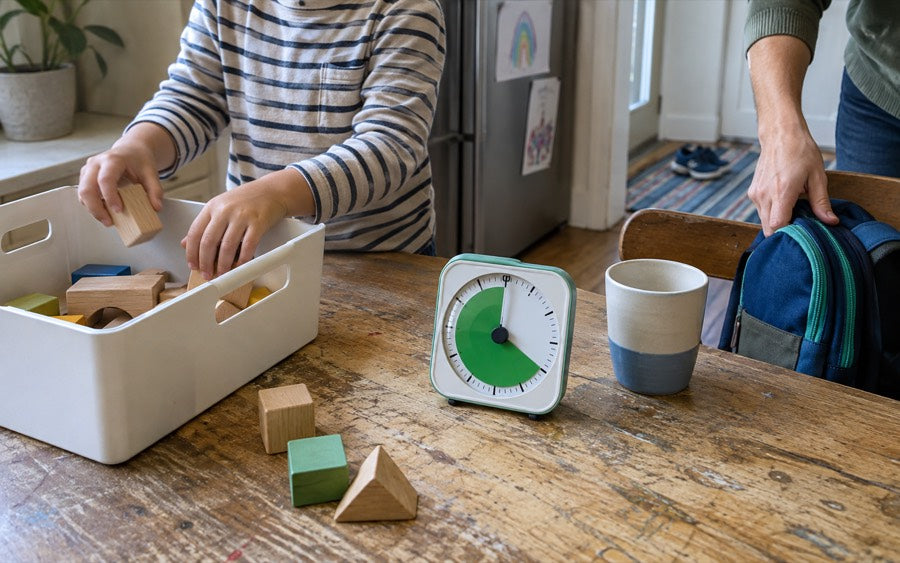
A five-minute warning asks a child to hold a future event in mind, monitor time they cannot see, and stop something they are enjoying — all at once.
The warning is only useful if it is received. Said across a room to a child who is absorbed, it does not count as having been said.
“Two more minutes, then we stop.” — said at their level, after they have looked up.
Most refusal is about the unfinished thing. Naming a stopping point that makes sense inside their activity costs seconds and removes the whole fight.
“Finish that level and then we go” beats “Now.”
A child is being asked to leave something specific for something vague. Make the next thing at least as concrete as the thing they are giving up.
The move is not over when the door shuts. A child dropped into the new place with nothing to do will go straight back to arguing about the last one.
Carpet to table, table to line, line to hall, hall back to table. Most of what looks like defiance in a school day is a child arriving somewhere without having finished leaving the last place.
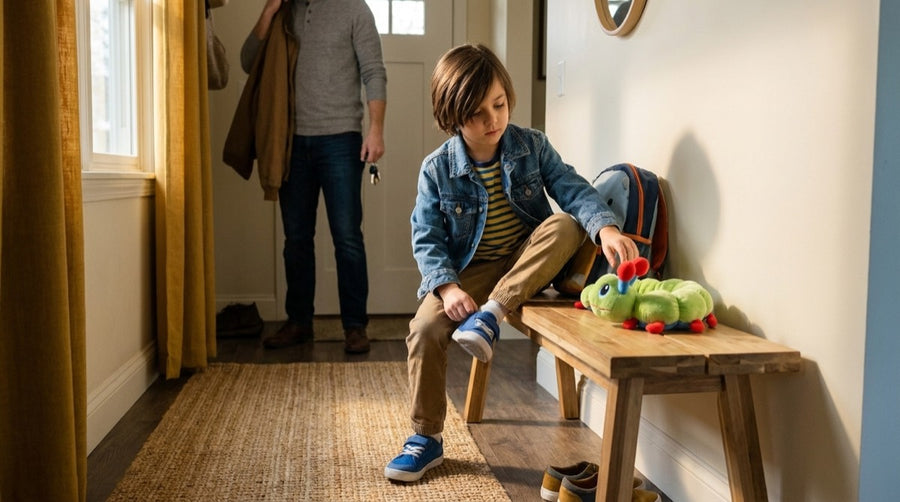
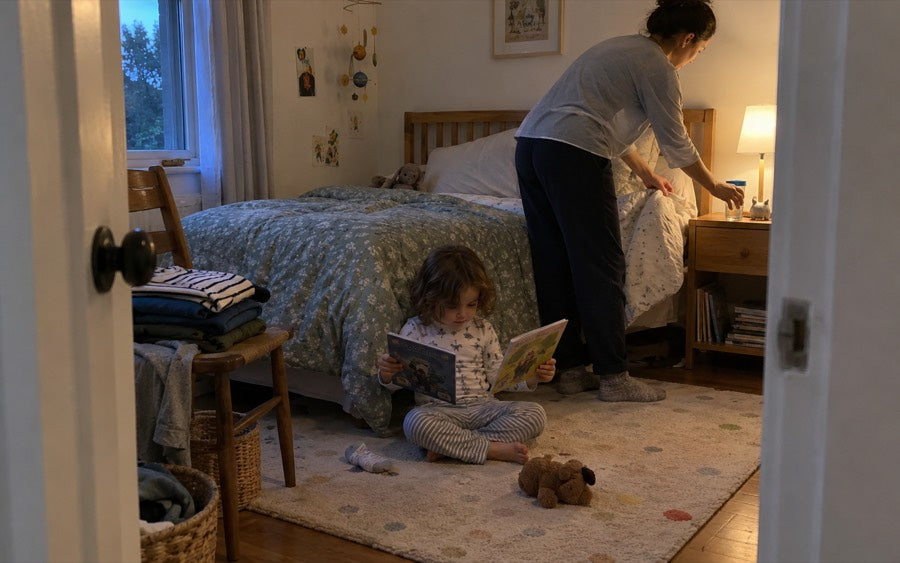
The same four moves work at home, at a smaller scale: name what is happening, make the next thing concrete, give a way to finish, and let them carry one constant thing across the gap.
If every change is a fight
If a child cannot manage any change without distress, across settings and for months, that is information for a SENCO, an occupational therapist, or a GP — not a routine to try harder at.

The value is in the repetition, not the object. Keep whatever you choose identical every day.


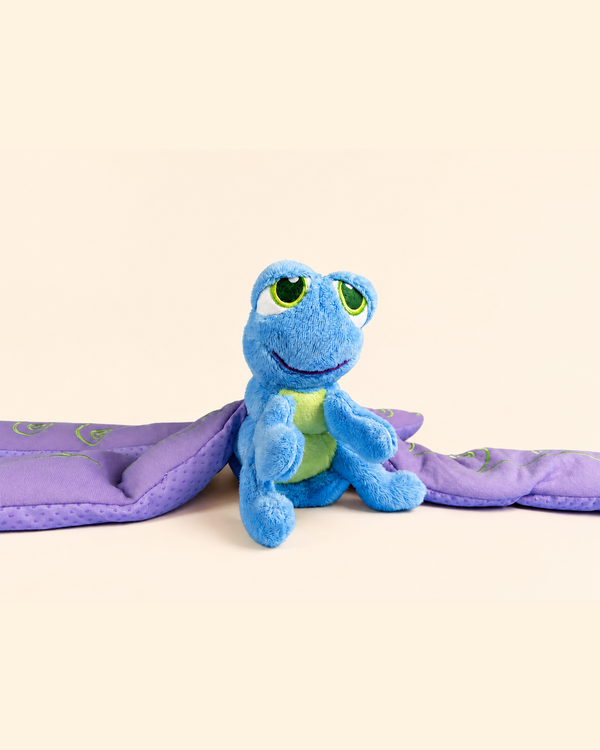
Something to carry across the gap between one place and the next.
Ages 3 to 12
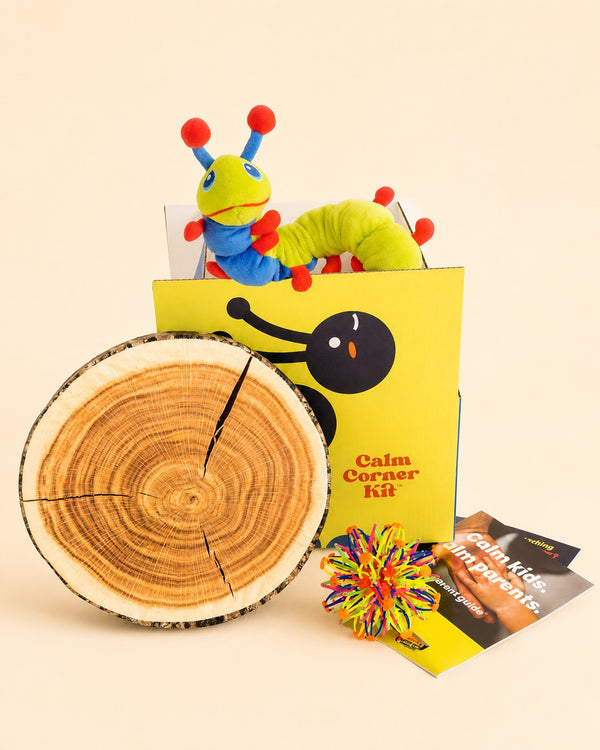
Shop Calmee

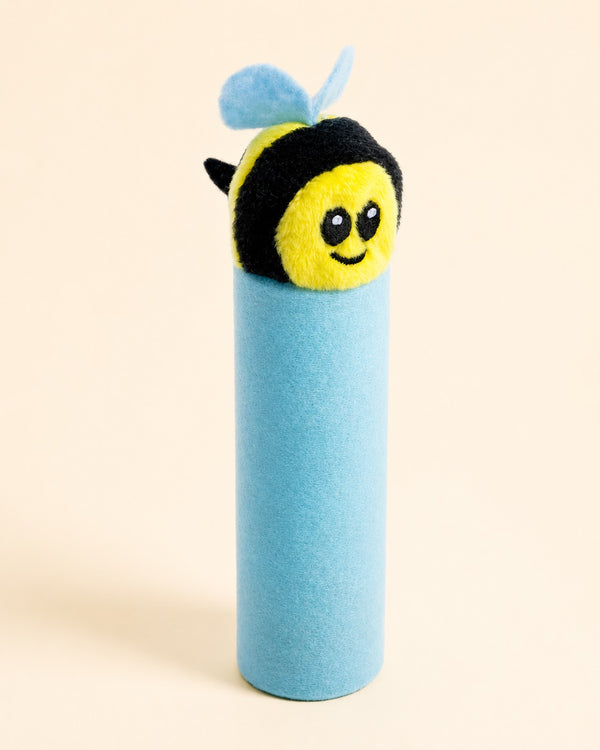
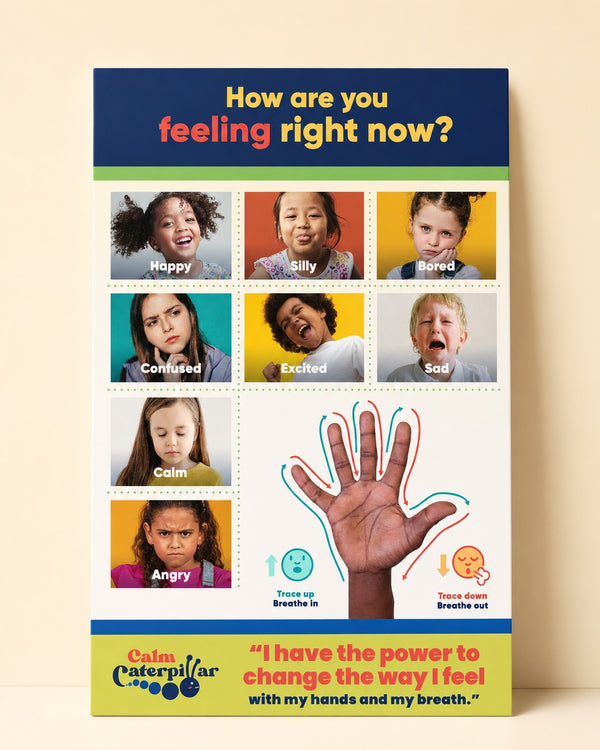
Three breaths that mark the change, in the same order every time.
Ages 3 to 12
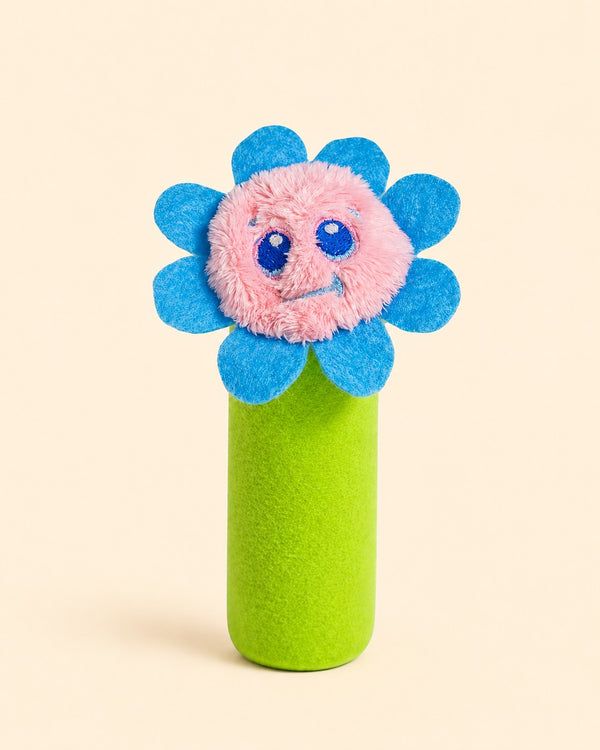
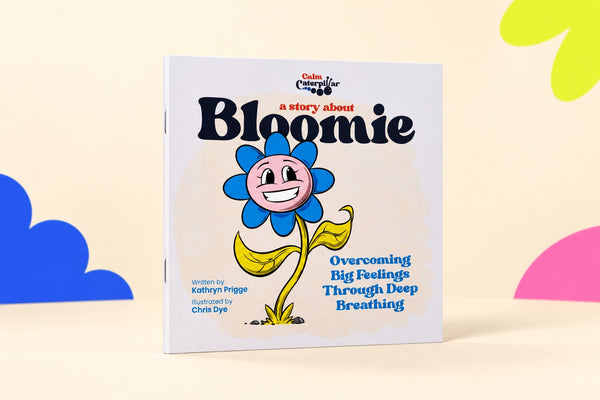
Shop Bloomie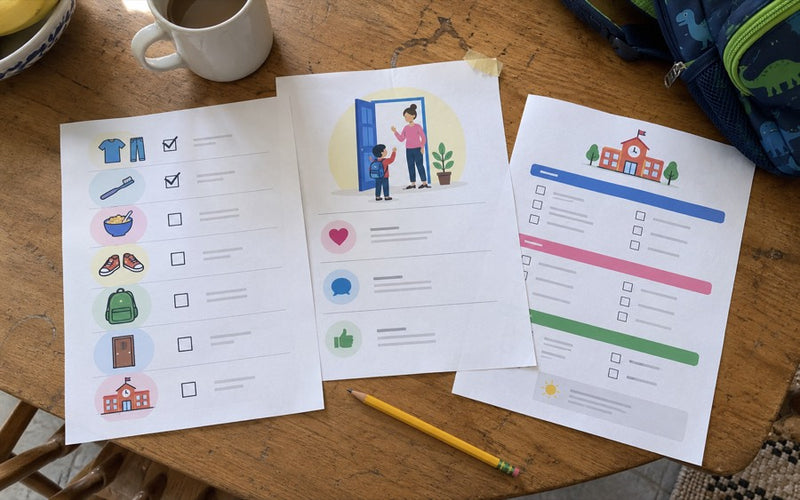

A visible sequence answers “what now?” without an adult voice.
Ages 4+
Shop the poster