








The day arrives late
The bill comes at the emptiest hour
A child who held it together at school has been spending down all day. The bill comes at the point where nobody is left to hold it for them.

Guide · 6 min read
The hour before sleep, why it collapses on the hardest days, and what to move earlier so it does not.
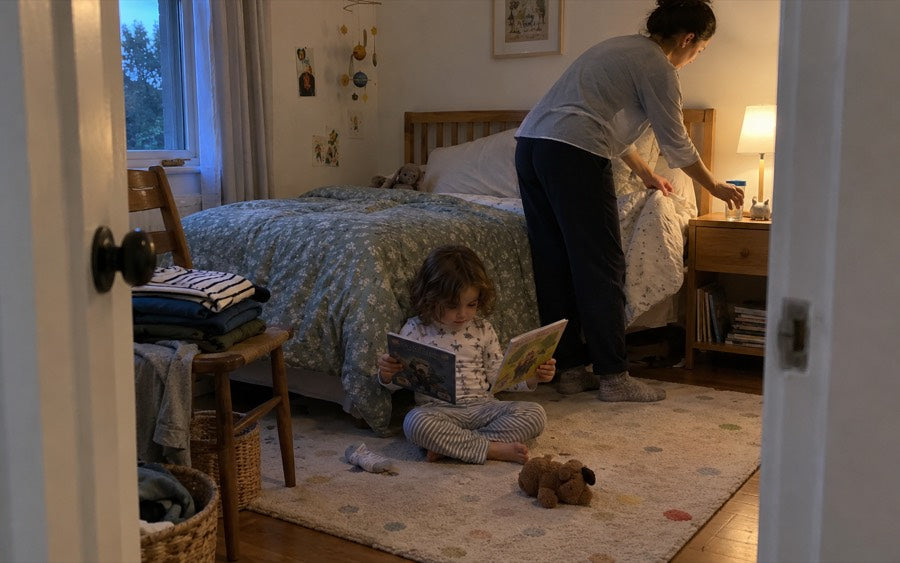
The wind-down hour
Most of what makes bedtime long does not belong in it. Moving these to earlier in the day changes more than any technique used at nine o’clock.
Anything with a right answer belongs before dinner. Getting it wrong at eight o’clock costs the rest of the evening.
Consequences, plans, anything unresolved from the day. After lights out every problem is bigger and neither of you is at your best.
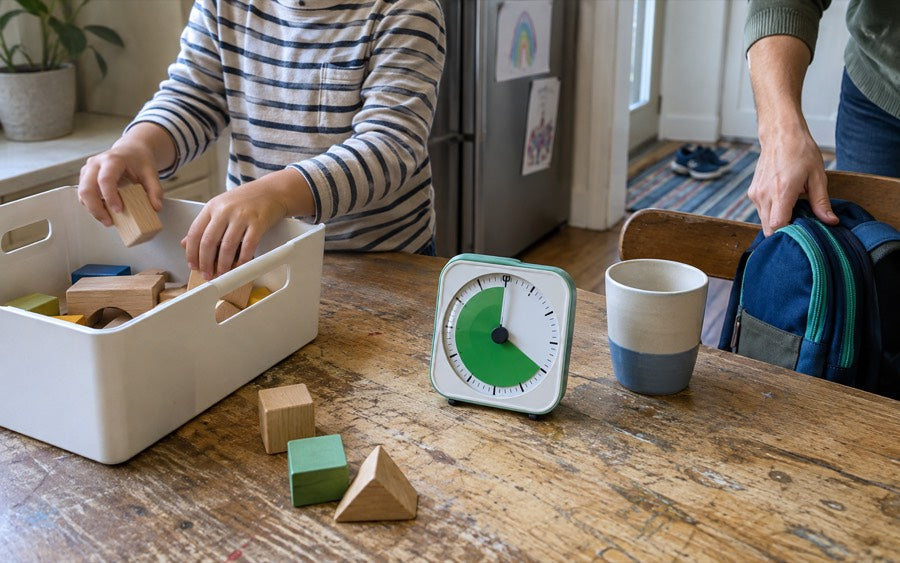
The last twenty minutes matter far more than the daily total. Ending it well before the routine starts avoids making the routine the thing that took it away.
Two minutes at seven removes an argument at seven the next morning. The morning pack has a strip for this.
Times are counted back from lights out, not from the clock. On a hard day the whole wind-down starts earlier and gets shorter, and the last forty minutes carry fewer instructions, not more.
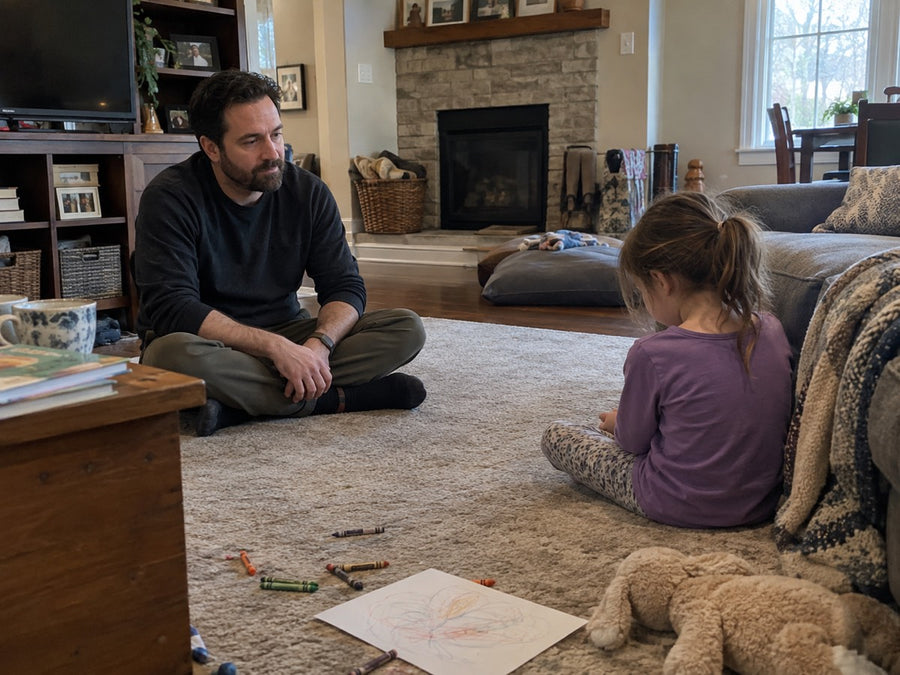
Be boring. Lights stay low, your voice stays flat, nothing new happens — no snack, no television, no conversation about why. Walk them back, one short sentence, leave. Then do it again, as many times as it takes. A dull return teaches the night nothing; an interesting one teaches it plenty.
Loud snoring or pauses in breathing, waking in terror most nights, or more than an hour to fall asleep for weeks on end are all worth raising with a GP. Childhood sleep problems are common, treatable, and not something to wait out. Nothing on this page is a substitute for that.
When to get help
Loud snoring or pauses in breathing, waking in terror most nights, or more than an hour to fall asleep for weeks on end are all worth raising with a GP. Childhood sleep problems are common and not something to wait out.

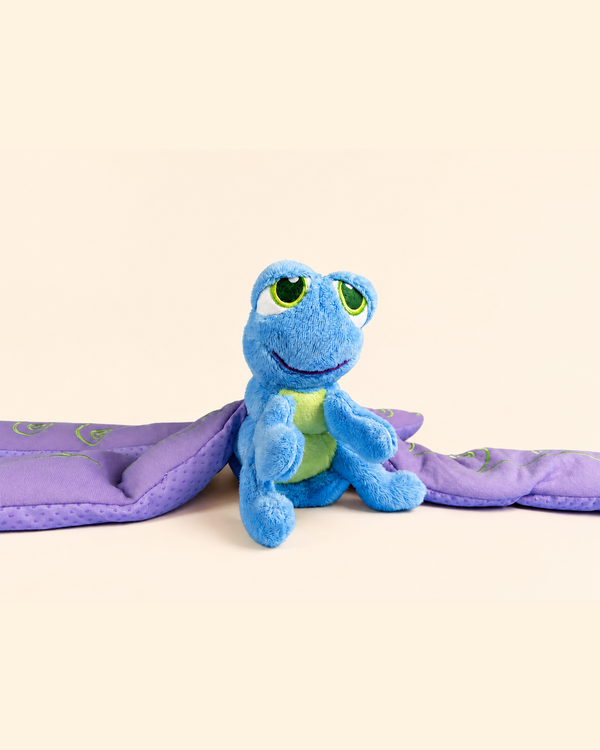
A nervous system that is still running will not settle just because the light went off.


Ten minutes of weight across the lap before the light goes off.
Ages 4 to 12
Shop Flutter

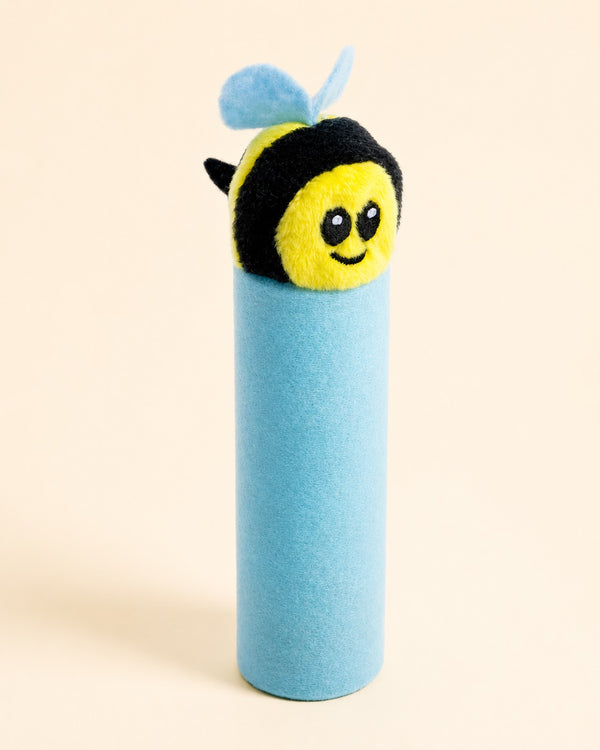
Three breaths at the end of the story, every night, in the same order.
Ages 3 to 12
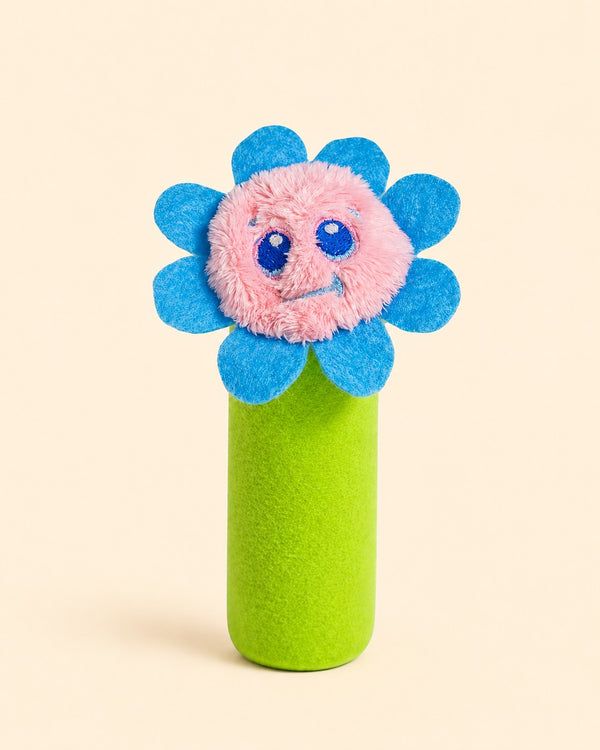
Shop Bloomie

Something to hold that stays in the bed when you leave the room.
Ages 3 to 12
Shop Calmee