





A tantrum
Has a goal, and an audience
It stops when the goal is met or clearly will not be. The child is still able to check whether anyone is watching.

Guide · 4 phases
Build-up, peak, coming down, after. What helps in each one, what makes it longer, and when to ask for clinical help.
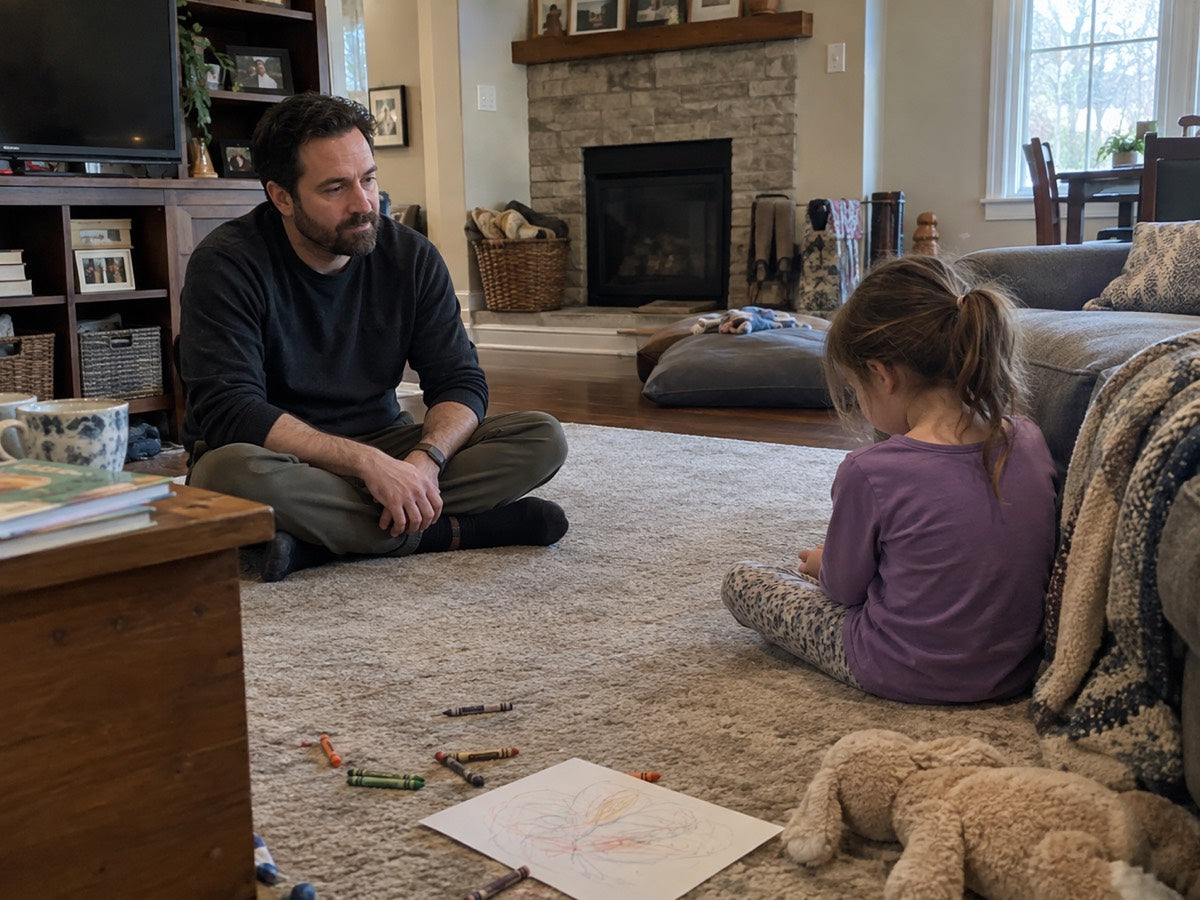
Four phases
The same response does not work in all four. Knowing which one you are in is most of the skill.
Minutes, sometimes an hour. This is where a meltdown can still be turned, and almost all of the useful work happens here. Cut the input, drop every demand that is not safety-related, and offer the tool they already know without a speech.
“I can see this is too much. We can stop. I am staying here with you.”
Skip
Reasoning, bargaining, explaining the rule again, or counting down to a consequence.
Language processing is offline. Nothing you teach here is learned, and every extra input extends it. Move objects rather than the child, clear the audience, sit low at a distance they can tolerate, and stay.
“You are safe. I am here. I will wait.”
Skip
Questions of any kind, threats, removing privileges mid-event, filming, or letting others watch.
The child is available again but has nothing in reserve. Offer water, then food. Offer pressure or weight near them, for them to take. Keep the room quiet for longer than seems necessary.
“That was hard. It is over. Do you want water or a blanket?”
Skip
“Are you ready to say sorry?”, returning to the task that started it, or debriefing now.
An hour later, or the next day. Name the trigger together in plain words, ask what would have helped earlier and believe the answer, and agree one signal they can use next time before words go.
“The noise in the hall was too much. That makes sense. What would have helped before it got big?”
Skip
Reviewing the behaviour in detail, consequences applied hours later, or treating a hard day as evidence of a hard child.
A child who has just come out of a meltdown is running on empty and often ashamed. What happens next decides whether they tell you it is building next time.
Blood sugar and dehydration make the next one more likely. Repair conversations go better after a sandwich.
Recovery keeps going after the crying stops. An hour, sometimes the next day, before you talk about what happened.
“The noise in the hall was too much” gives a child something to use. “You screamed at me” gives them something to carry.
If you shouted, say so. It costs nothing and it teaches the thing you are trying to teach.
If a child is regularly hurting themselves or others, if meltdowns are getting longer over months, or if they happen daily past the early school years, that is a reason to talk to a GP, paediatrician, or occupational therapist. Nothing on this page is a substitute for that.
When to get help
Meltdowns that injure, happen most days, continue past the age you would expect, or leave a child frightened of themselves are worth raising with a GP or a paediatrician. Nothing on this page is a substitute for that.
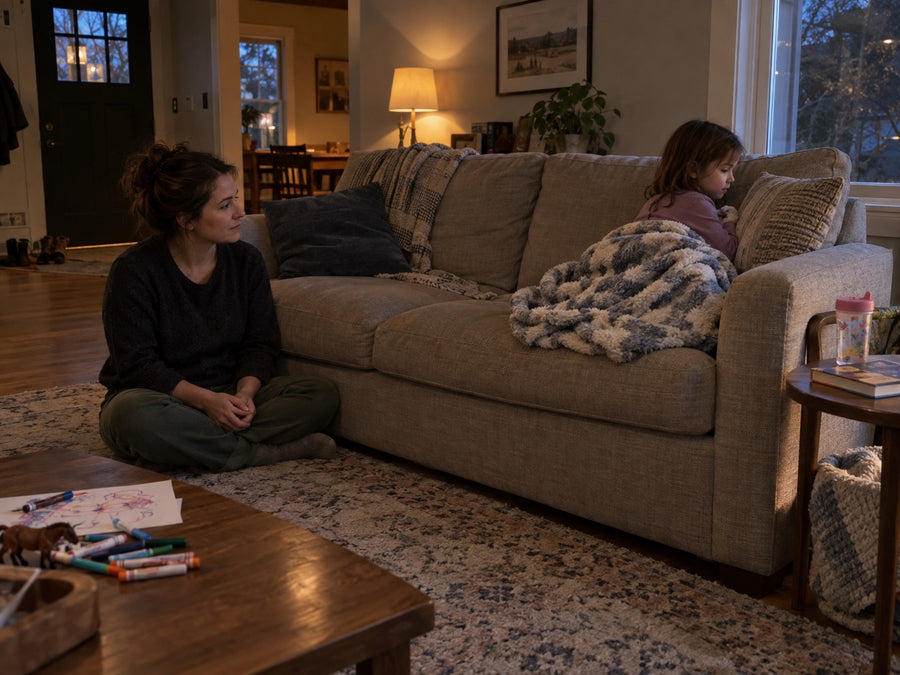
Introduced on an ordinary day, so they are already familiar when they are needed.


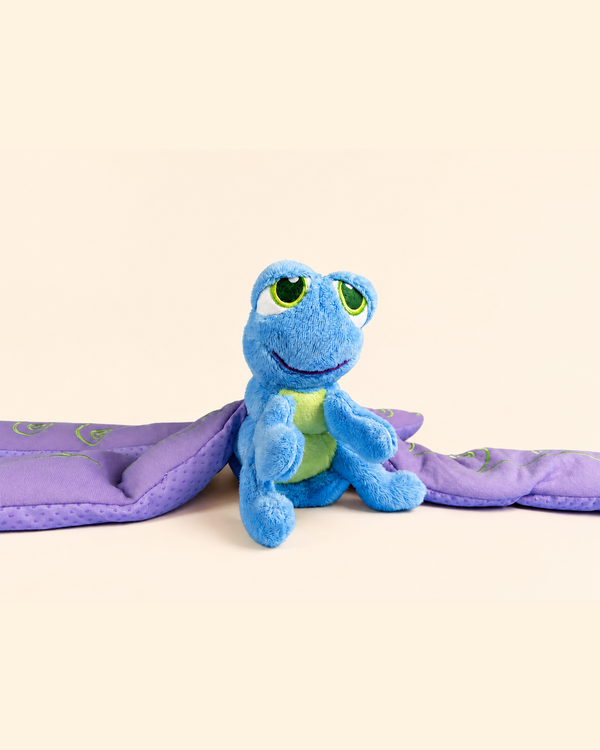
Weight offered near them in phase three, for them to take.
Ages 4 to 12
Shop Flutter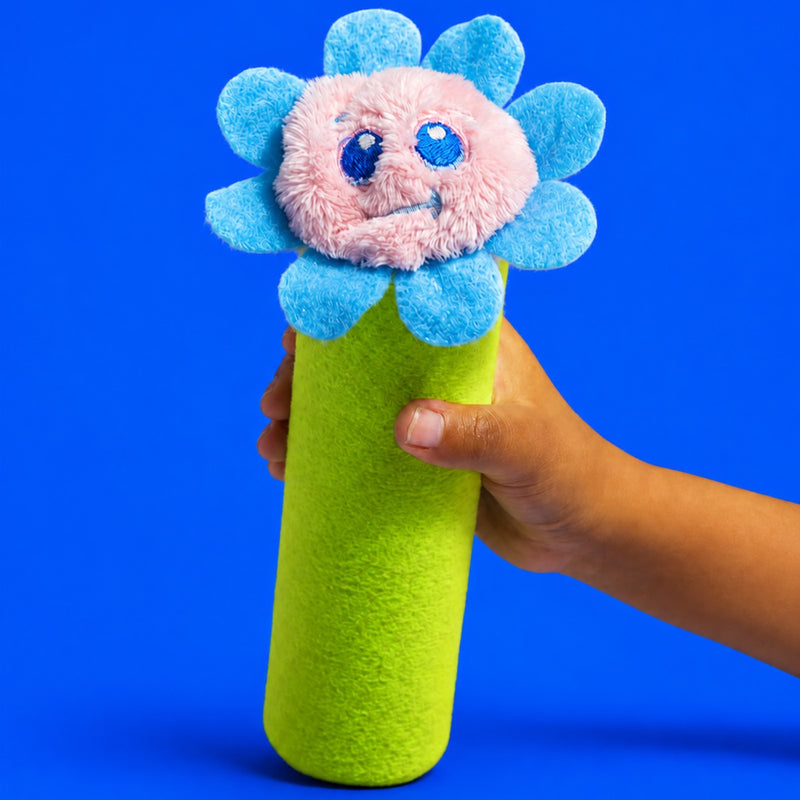



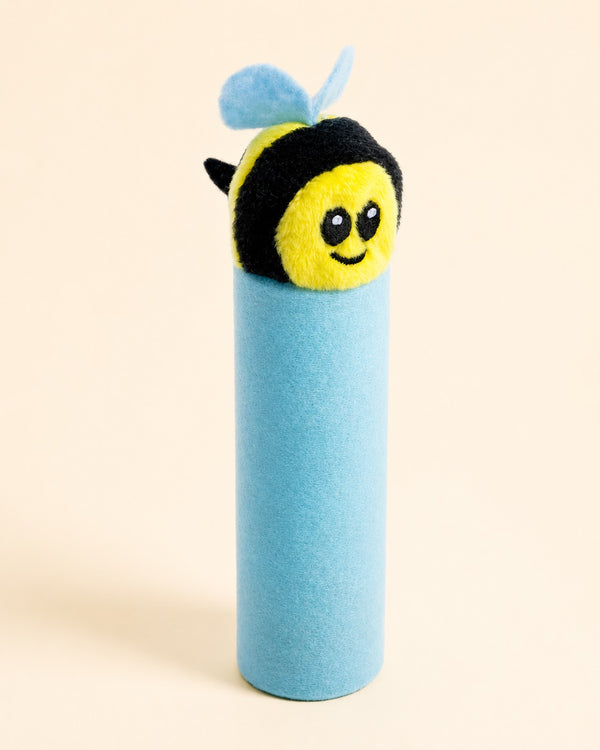
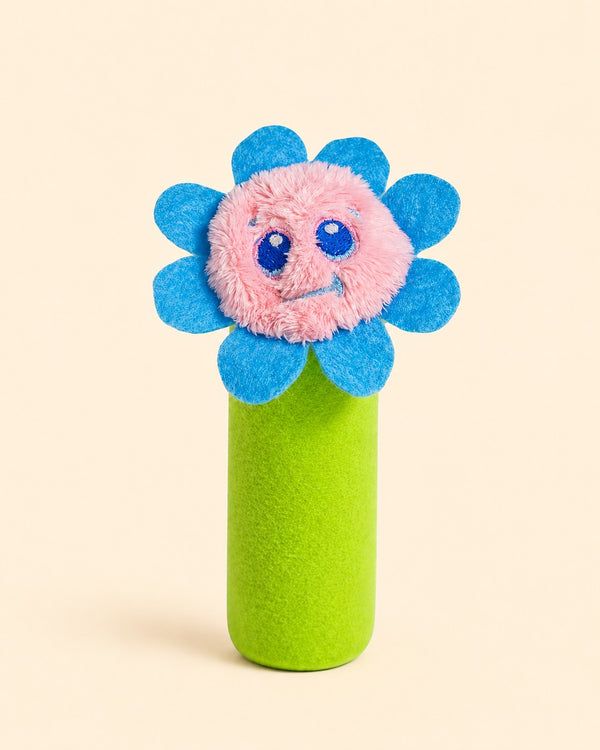
Something to hold afterwards, while nobody has to talk.
Ages 3 to 12
Shop Calmee