How it works

Body before behavior.

When a child is overwhelmed, another instruction may be one thing too many. A physical tool gives the body somewhere to begin.

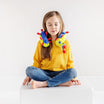
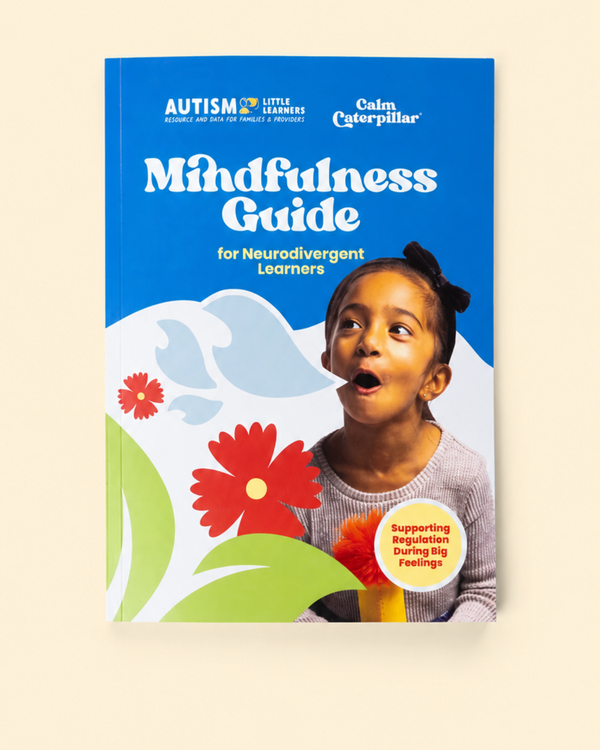
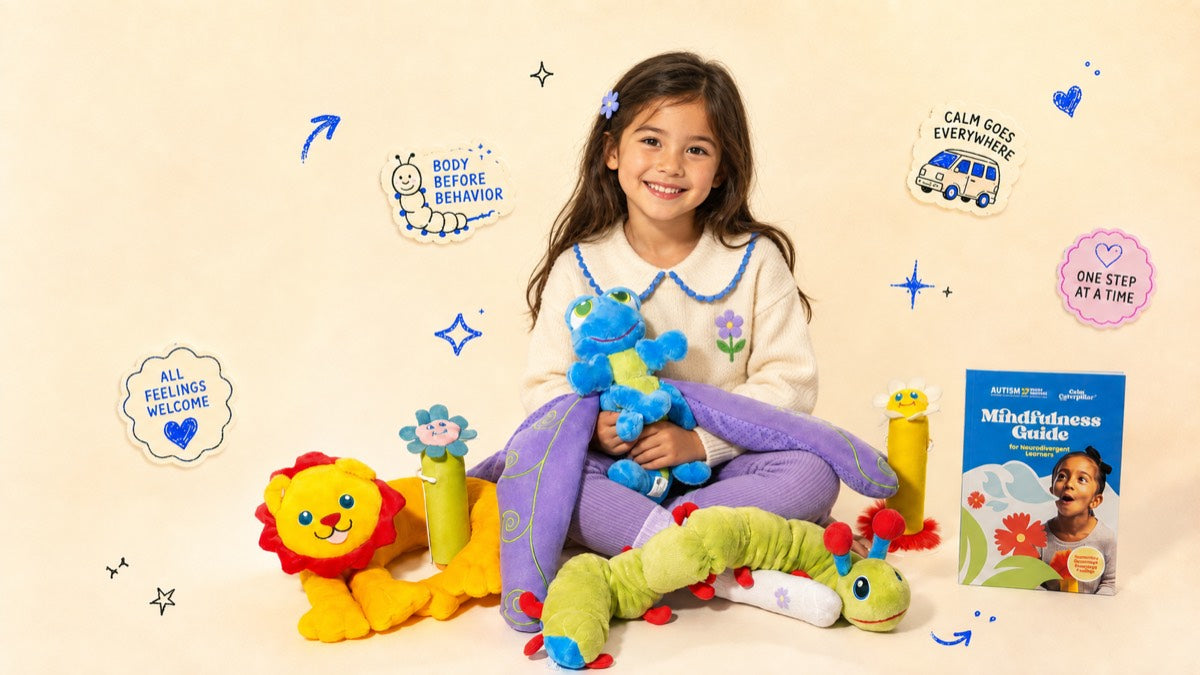
A child sitting cross-legged stretching Calmee while an adult beside her reads the Mindfulness Guide, surrounded by breathing sticks and plush tools.

What usually happens

When words stop helping.

A hard moment often brings more words: “Calm down.” “Tell me what happened.” “Use your words.” But when a child’s body is already full, another instruction can become one more thing to manage.

Body-first support changes the first question from “How do I stop this behavior?” to “What could this child physically do right now?”

The instruction reflex
The body-first shift
Add another explanation
Offer one physical option
Ask for an immediate answer
Pause without demanding words
Measure quiet or stillness
Notice choice and participation
Keep repeating the instruction
Change the kind of support

Give the body something to do.

Start here

Hold something steady. Feel weight across the lap. Squeeze and count. Watch a breath move. Breathe out with a buzz or a roar. Sit in a familiar place.

The action is small on purpose: it gives the child one concrete place to begin without requiring an explanation first.

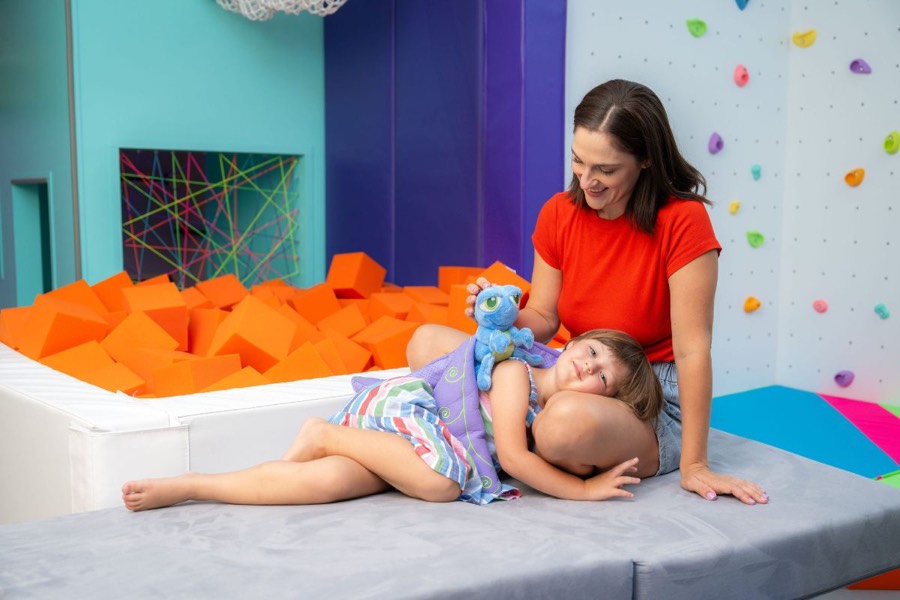
  • An adult sitting close while a child rests on a mat with Bloomie draped across their chest.
    Weight and company, before any instruction.
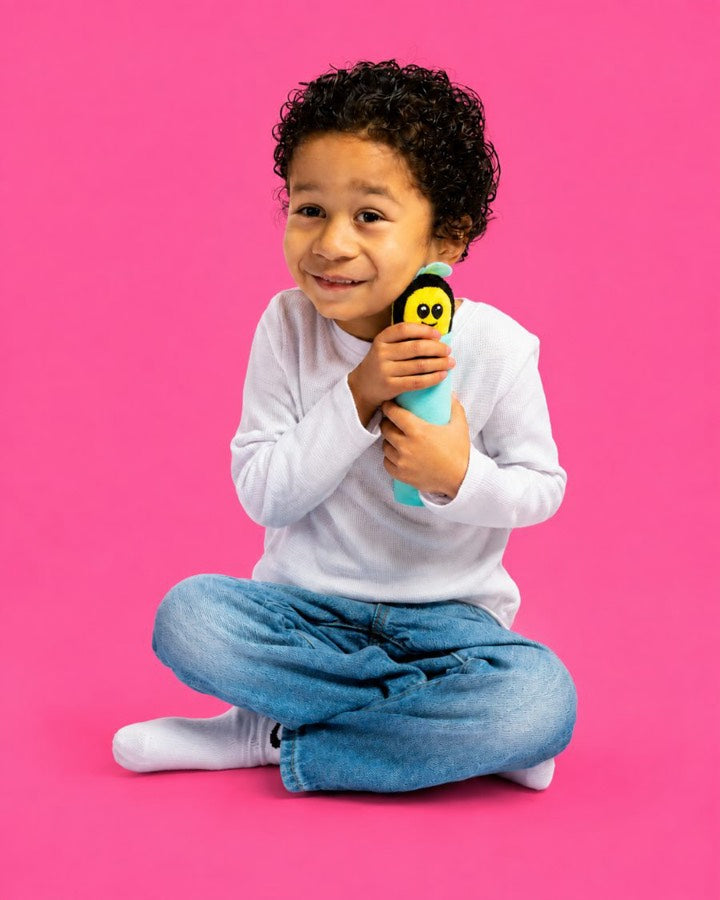
  • A child sitting cross-legged holding Buzzee against their chest.
    An exhale with somewhere to go.
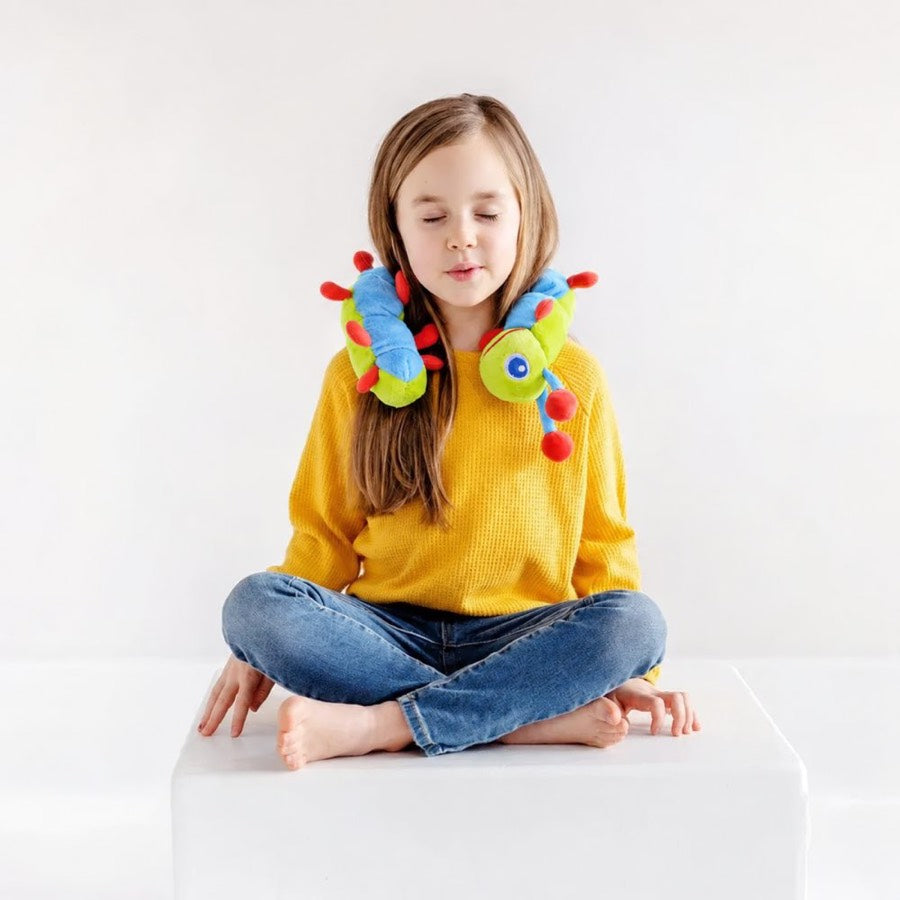
  • A child sitting cross-legged with Calmee draped across their shoulders, eyes closed, breathing out.
    Something to hold onto.

One clip each

How each tool is used

One short clip each, filmed with the tool in a child’s hands, and the actions the video is showing written out beside it.

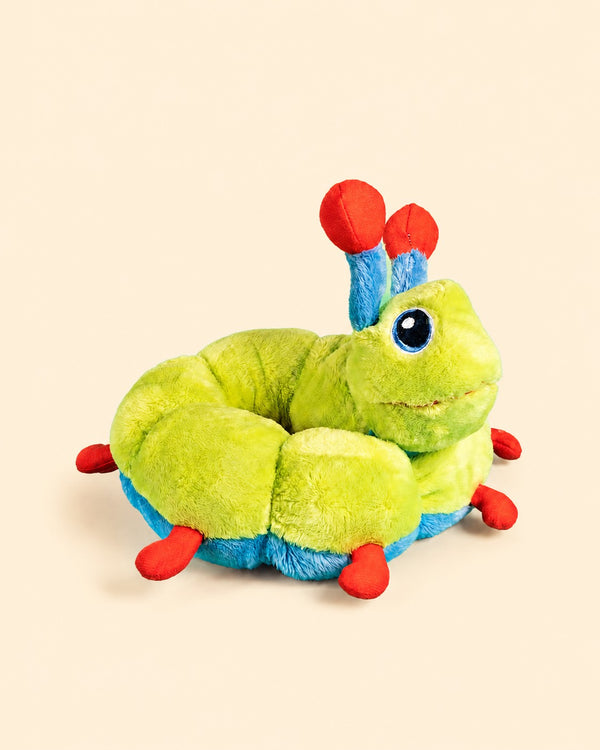
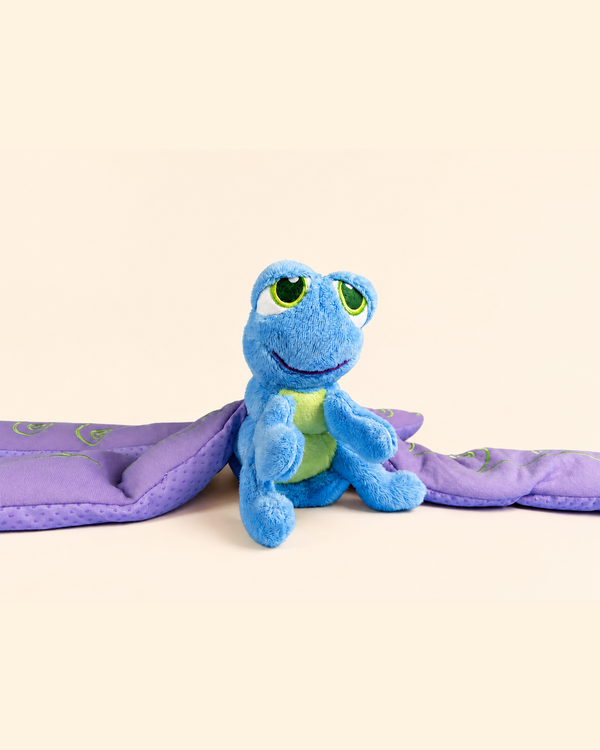
Calmee the Caterpillar

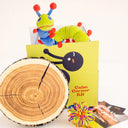
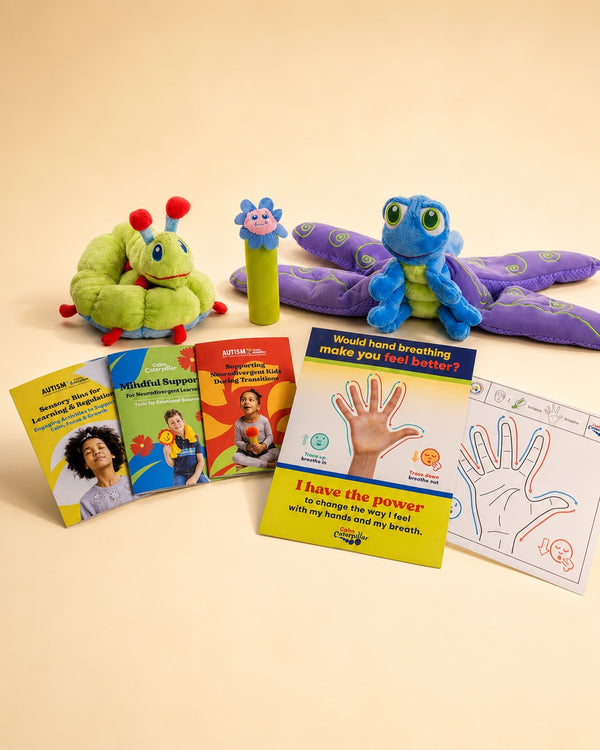
Calmee is a ten-segment plush with a stretch band inside. It gives hands a repeatable job, and the child sets the pace. Put it down whenever they are finished — no count has to be completed.

  • Stretch it long on the breath in, and let it come back on the breath out.
  • Squeeze and count down the segments, one press per number.
  • Drape it across the lap, shoulders, or the back of a car seat.
Flutter the Dragonfly

Flutter is 3 lbs spread evenly across the body and four wings, so the weight arrives softly rather than in one block. They take it off themselves — that is the rule that makes it safe.

  • Let the child place it across the lap, over the shoulders, or against the chest.
  • Arrange the wings so the weight sits where they want it, not where it looks tidy.
  • Leave it on as long as it helps, and check in without asking them to keep it there.

The breathing sticks

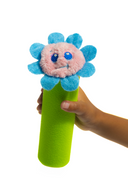
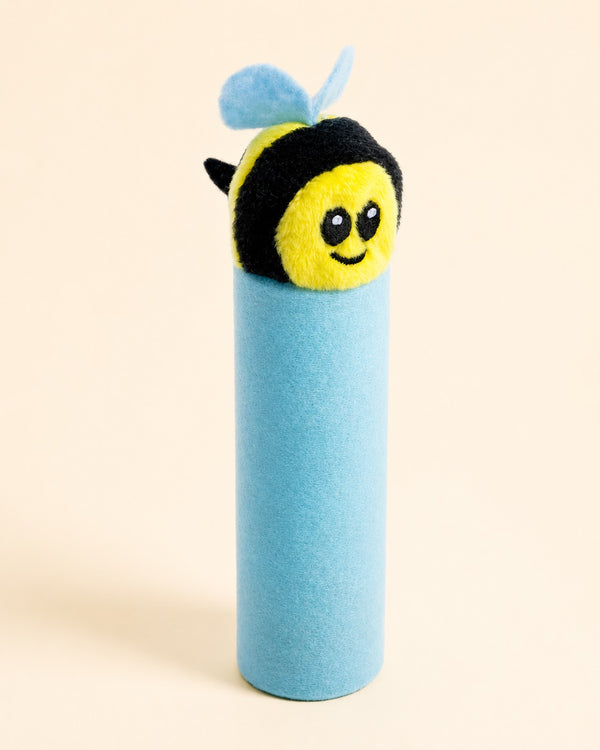
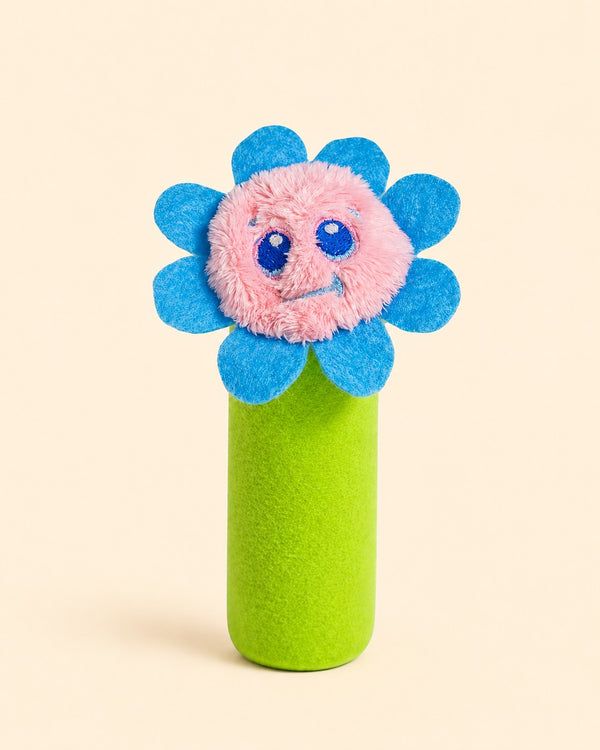
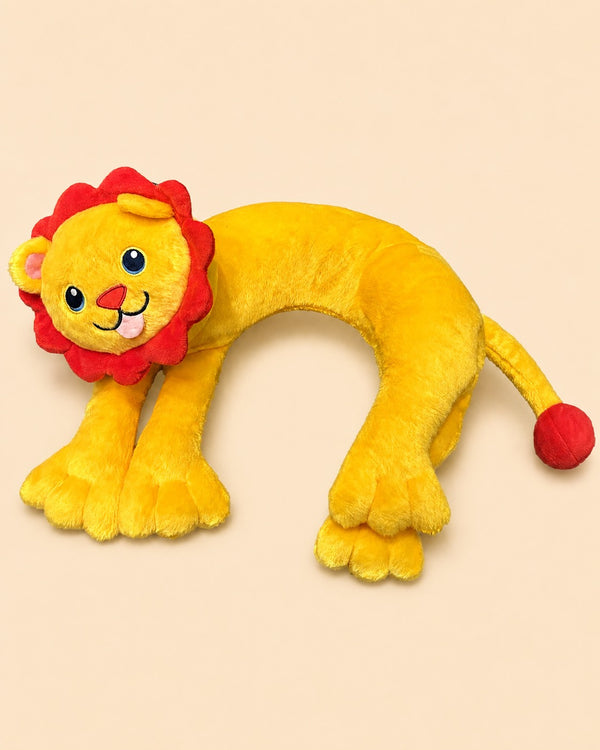
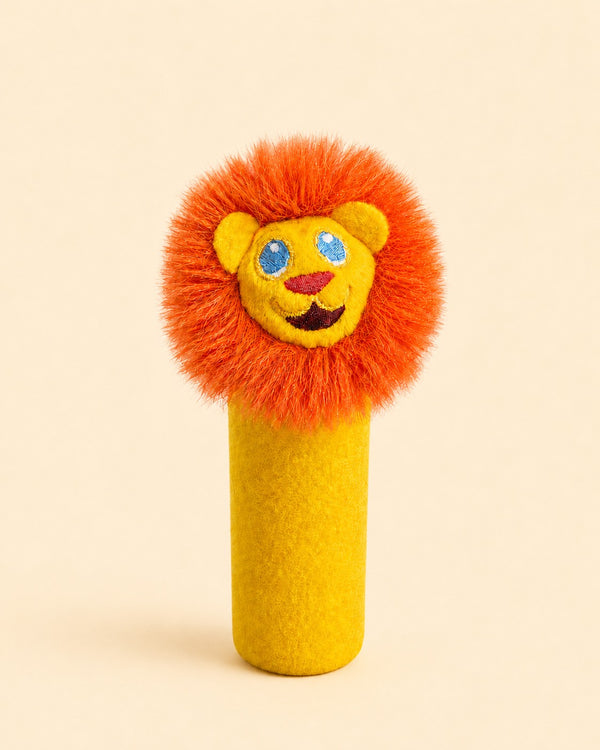
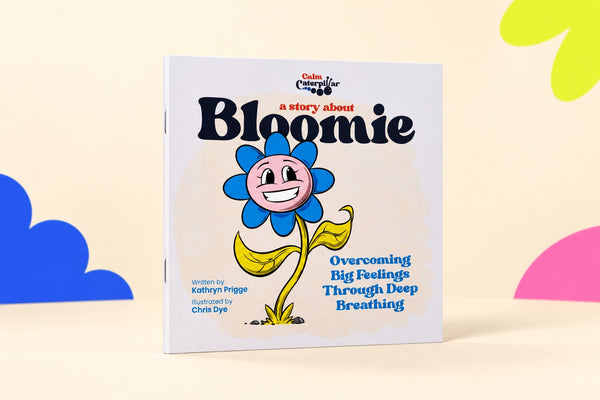
Bloomie, Buzzee, and Rory Junior all work the same way: a flower at one end for the breath in, something to blow out at the other for the breath out. Repeat as many times as they want, or let them watch first and join in later.

  • Smell the flower — a slow breath in through the nose.
  • Flip the stick over so the other end is facing them.
  • Blow out the candle — a long breath out they can see and hear.

Different bodies, different things

Different bodies may want different things.

Preference can change by child, setting, and day. These categories are starting points — not diagnoses and not promises.

A · What the child does

Places or holds a weighted tool according to its instructions

A soft, weighted option for a child who actively seeks pressure or something steady across the lap or shoulders.

Weight and pressure

Flutter

Meet Flutter

B · What the child does

Holds, stretches with a breath, or squeezes and counts ten segments

A tactile sequence for a child who wants something to hold or a small action to repeat.

Hold, stretch, squeeze, and count

Calmee the Caterpillar

Meet Calmee

C · What the child does

Uses a visible flower-and-candle cue to practise an inhale and exhale

A visual action can make an abstract instruction like “take a breath” easier to follow.

Watch a breath

Bloomie and Rory Junior

Meet the breathing tools

D · What the child does

Extends an exhale with a buzz or a roar

Sound gives the exhale a beginning and an end while making the action playful and easy to repeat.

Breathe with sound

Buzzee and Rory

Meet the sound tools

E · What the child does

Moves to a familiar space, chooses one available support, and returns when ready

A calm corner is a predictable routine — not a punishment and not a place a child is sent for being difficult.

Choose a place and routine

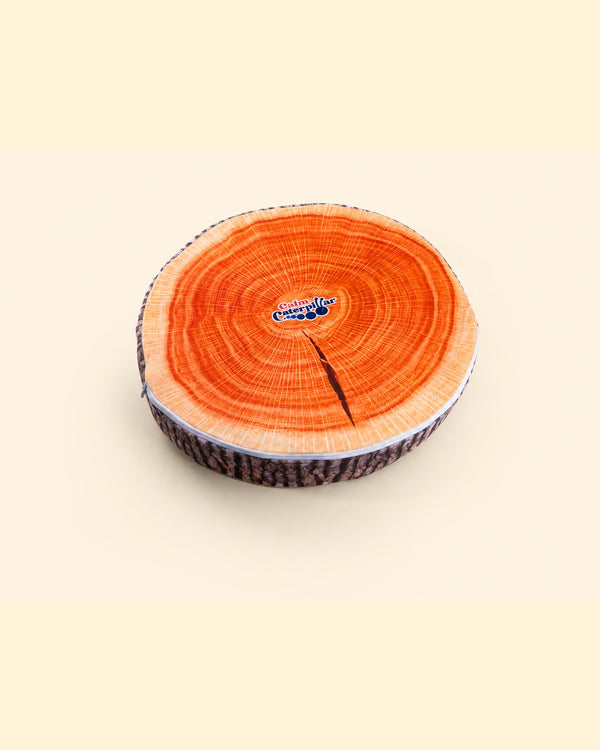
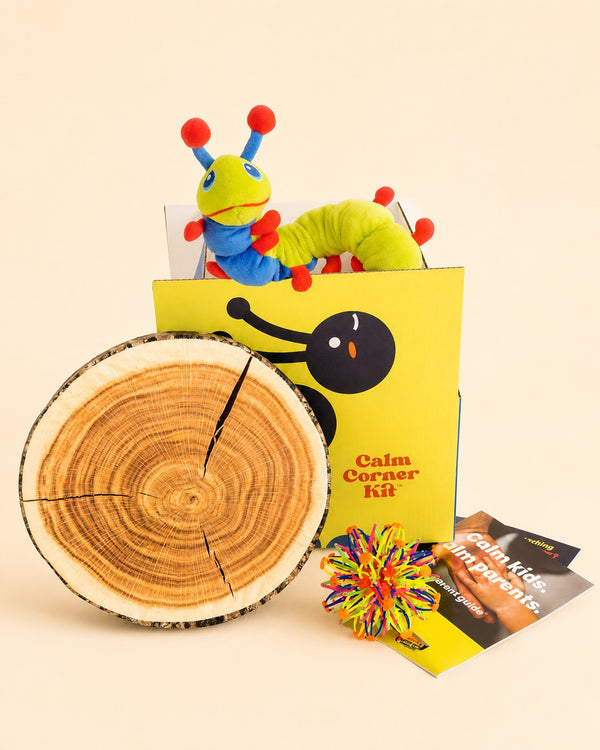
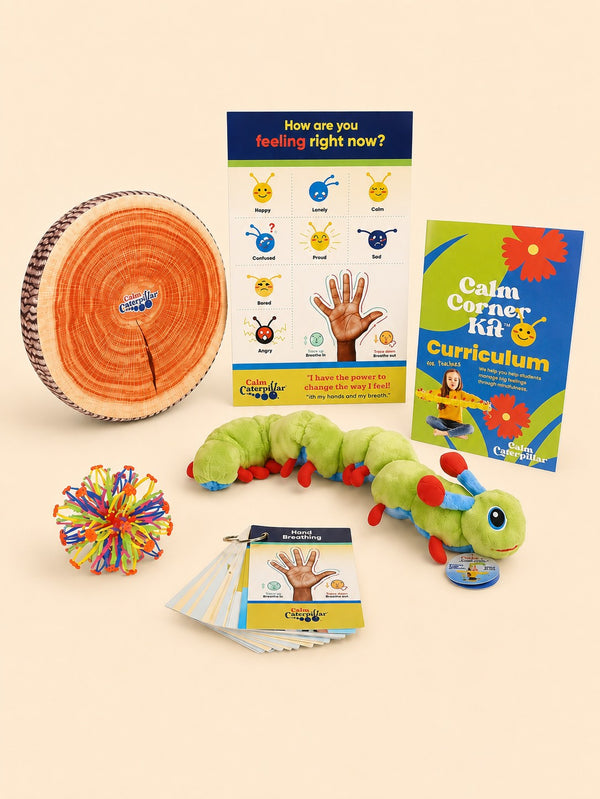
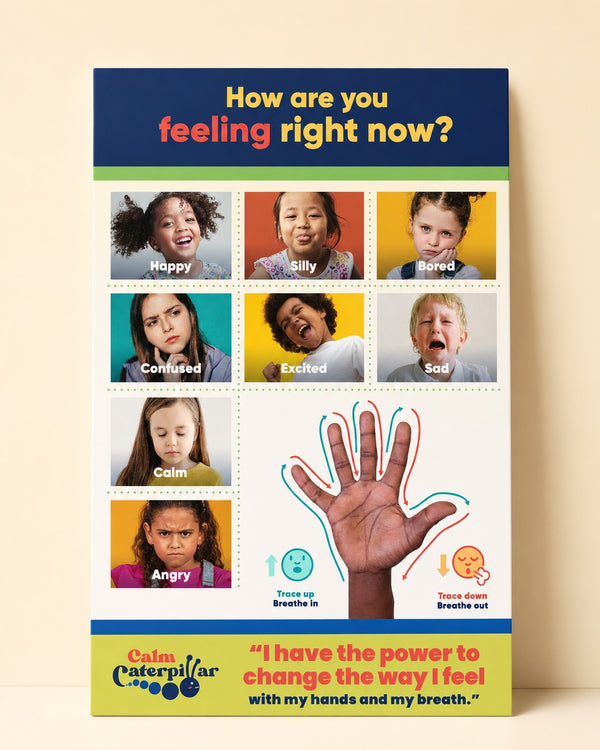
Calm Corner Kits, Stumpy, Feelings & Emotions Chart, and selected tools

Explore calm corners

Prices, availability, and full instructions live on each product page.

The whole method

Five small steps.

The same five steps work at home, in a car, in a hallway, or in a classroom. There is no required ending.

The sequence

Offer → Choose → Use → Pause → Return

  1. Step 1 — Offer

    Offer one tool.

    Keep the language short. Put one useful option within reach instead of adding several instructions.

    “Flutter or Calmee?” · “Want something to hold?”

  2. Step 2 — Choose

    Let the child choose—or decline.

    A tool is support, not a demand. The child can accept it, choose a different option, or say no.

  3. Step 3 — Use

    Do one physical action.

    Hold. Place. Stretch. Count. Watch. Buzz. Roar. Sit. Start with one action rather than asking for an emotional explanation.

  4. Step 4 — Pause

    Pause without another demand.

    Give the action a moment to exist. Do not immediately ask whether it worked, require an apology, or turn the pause into a test.

  5. Step 5 — Return

    Return—or choose something else.

    The child may return to the activity, stay with the tool longer, stop using it, or try another kind of support. There is no single required ending.

Compare what the child actually does.

Start with the physical action, then the kind of support. Age and care come from each product record, so they stay right when the product changes.

Calm Caterpillar tools compared by physical action
Field
Calmee the Caterpillar
View details
Flutter the Weighted Dragonfly
View details
Bloomie
View details
Calm Corner for Home
View details
What the child doesHold, stretch, squeeze, and count ten segmentsPlace weight across the lap, shoulders, or chest; trace the wingsSmell the flower and blow out the candleSit, choose a support, pause, and return
Sensory input or actionTactile action and body awareness · no soundWeight, pressure, and tactile input · no soundVisual breathing cue · child-generated sound onlyPlace and routine · no sound
Best settingsHome, transitions, travel, classroom routinesLap, shoulders, quiet time, transitionsHome, school, travel, short practicesHome or classroom calm-corner routines
Age guidanceAges 3 to 12Ages 4 to 12Ages 3 to 12Ages 3 to 12
CareMachine washable. Lay flat to dry. Do not tumble dry.Spot clean where possible. Machine washing is not recommended.Spot clean.Spot clean the plush and cushion. Wipe the breathing ball. Keep printed materials dry.
Price$51.00$73.00$22.00$145.00

Calmee the Caterpillar

View details
What the child does
Hold, stretch, squeeze, and count ten segments
Sensory input or action
Tactile action and body awareness · no sound
Best settings
Home, transitions, travel, classroom routines
Age guidance
Ages 3 to 12
Care
Machine washable. Lay flat to dry. Do not tumble dry.
Price
$51.00

Flutter the Weighted Dragonfly

View details
What the child does
Place weight across the lap, shoulders, or chest; trace the wings
Sensory input or action
Weight, pressure, and tactile input · no sound
Best settings
Lap, shoulders, quiet time, transitions
Age guidance
Ages 4 to 12
Care
Spot clean where possible. Machine washing is not recommended.
Price
$73.00
What the child does
Smell the flower and blow out the candle
Sensory input or action
Visual breathing cue · child-generated sound only
Best settings
Home, school, travel, short practices
Age guidance
Ages 3 to 12
Care
Spot clean.
Price
$22.00

Calm Corner for Home

View details
What the child does
Sit, choose a support, pause, and return
Sensory input or action
Place and routine · no sound
Best settings
Home or classroom calm-corner routines
Age guidance
Ages 3 to 12
Care
Spot clean the plush and cushion. Wipe the breathing ball. Keep printed materials dry.
Price
$145.00

Rory, Rory Junior, Buzzee, and Stumpy are not in this table. Open the shop to compare every tool.

Practice before the moment gets hard.

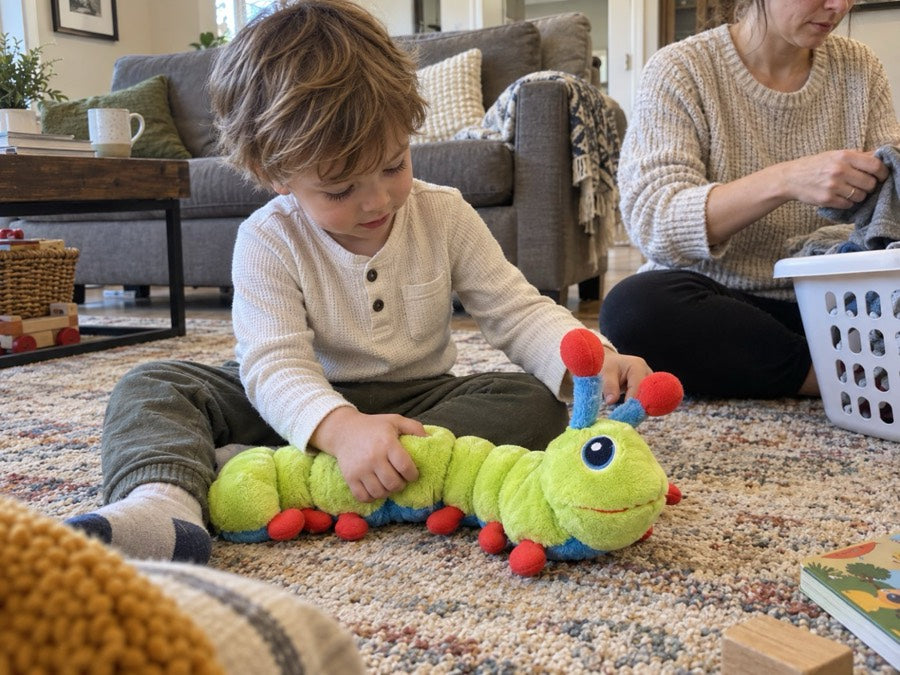
  • A young boy sitting on a living-room rug exploring Calmee while a parent folds laundry nearby.
    Before — introduce it on an ordinary day. Let the child touch it and decide what they like about it before anyone needs it.
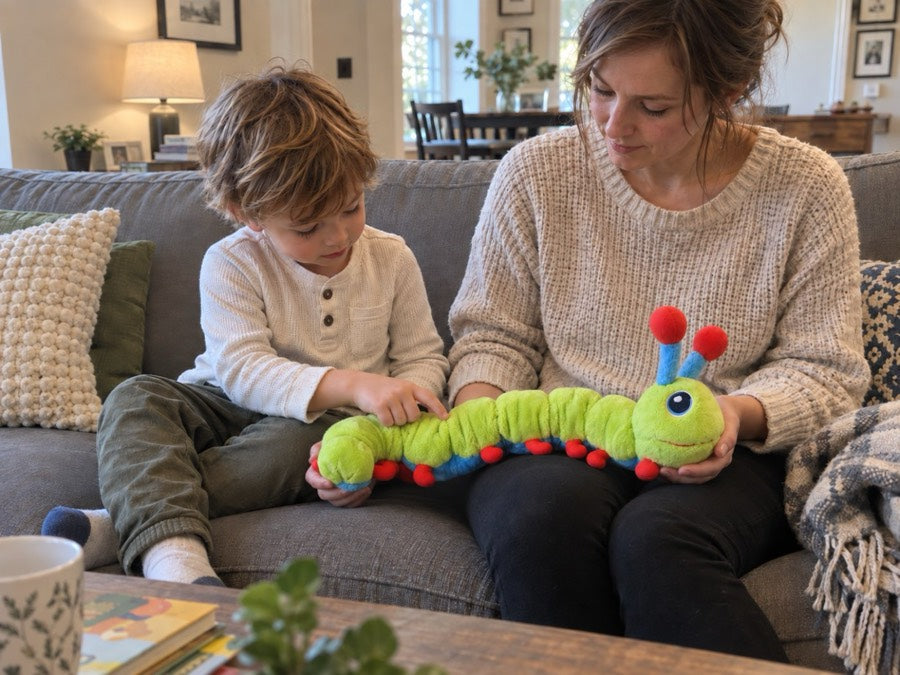
  • A parent holding Calmee across her lap on the couch while her son reaches over to press one of its segments.
    During — fewer words, one option. Model the action if it helps. Let the child decline, stop, or switch.
  • A boy and his mother sitting on the couch talking, with Calmee set down beside them.
    After — the conversation comes later. The tool does not replace repair; it changes what comes first.

The adult’s job

The adult makes the option available.

The job is to offer and to pause — not to command and measure.

  1. Introduce tools during ordinary moments

    Avoid

    Introduce the tool only during a crisis

  2. Offer one or two clear options

    Avoid

    Present a pile of choices

  3. Use short, literal language

    Avoid

    Add a lecture or emotional interrogation

  4. Model the action without demanding imitation

    Avoid

    Require the child to copy perfectly

  5. Allow refusal, stopping, or switching

    Avoid

    Force the child to use the tool

  6. Pause without measuring an immediate result

    Avoid

    Ask “Are you calm now?” repeatedly

  7. Return to conversation when the child is available

    Avoid

    Treat the tool as a substitute for repair

  8. Follow product-specific safety guidance

    Avoid

    Assume every tool is safe for every child or setting

Choice can look like yes, no, stop, or something else.

A child may reach for the tool, push it away, use it differently within its safety instructions, stop after a few seconds, or choose another option. Preference is information. Refusal is not failure.

  • Yes — the child accepts the offered tool.
  • No — the child declines, and nothing follows from it.
  • Stop — the child ends the action when they are done.
  • Something else — the child chooses another safe support.

Success is not always a quieter child.

It may look like choosing a tool, trying one action, asking for space, stopping when something feels wrong, using fewer words, returning later, or letting an adult stay nearby.

  1. The child selected a support.

  2. The child participated in one physical action.

  3. The child communicated a preference or boundary.

  4. The adult reduced the number of demands.

  5. The child returned, paused longer, or chose another option.

Support, not a guaranteed outcome.

What these tools do, and what they do not.

  1. Give a child a concrete action to try

    What they do not do

    Diagnose or treat anxiety, autism, ADHD, sensory-processing differences, or another condition

  2. Make breath, weight, pressure, counting, sound, or routine more tangible

    What they do not do

    Guarantee calm, focus, sleep, emotional control, or fewer meltdowns

  3. Offer choices that can be introduced and repeated

    What they do not do

    Replace medical, therapeutic, educational, or emergency support

  4. Provide a shared object or action when language is difficult

    What they do not do

    Work the same way for every child or every day

This won’t stop the hard moments. It gives your kid something to do inside them.

A hard moment can remain hard. The tool is not a guarantee, a treatment, or a perfect ending. It is one physical option a child can reach for, refuse, repeat, carry, or return to.

Start with one useful option

What does their body want right now?

Choose the closest action. There is no perfect answer, and it may change from one day to the next.