


If you've ever watched your child go from perfectly happy to full-scale meltdown in thirty seconds flat, you've witnessed what happens when emotional regulation is still a work in progress — which is completely normal. But what exactly is emotional regulation, and why do experts keep talking about it?
Emotional Regulation, Defined
Emotional regulation is the ability to recognize, understand, and manage one's own emotional responses — both internally (what we feel) and externally (what we do about it). For kids, that means learning to notice when they're frustrated, overwhelmed, anxious, or excited, and then choosing how to respond rather than simply reacting.
It's important to understand what emotional regulation is not: it's not suppressing feelings, staying quiet, or "being good." A child who swallows their frustration and never acts out may actually be dysregulated — they're just expressing it differently. The goal isn't compliance. The goal is kids who can feel big feelings and still function.
Why It Matters More Than Behavior
Traditional behavior management approaches focus on what a child does — reward the good, correct the bad. But research in developmental psychology increasingly points to regulation as the root system beneath behavior. A child who cannot self-regulate will struggle with academic focus, peer relationships, conflict resolution, and even sleep. A child who can regulate learns to use frustration as information rather than a spark.
The good news: emotional regulation is a skill, not a fixed trait. It can be taught, practiced, and strengthened — just like reading or riding a bike.
How to Support Emotional Regulation at Home
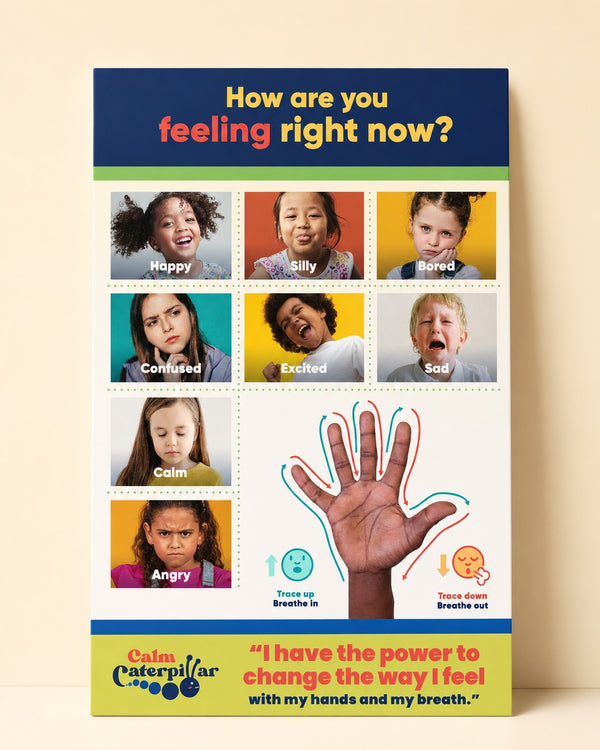
Name the feeling first. Before jumping to solutions, help your child identify and label what they're feeling. "You seem really frustrated right now — does that feel right?" Language builds awareness.
Create a regulation routine before dysregulation hits. Breathing exercises, body movement, and sensory tools are most effective when practiced during calm times. That way, they're accessible when the storm arrives.
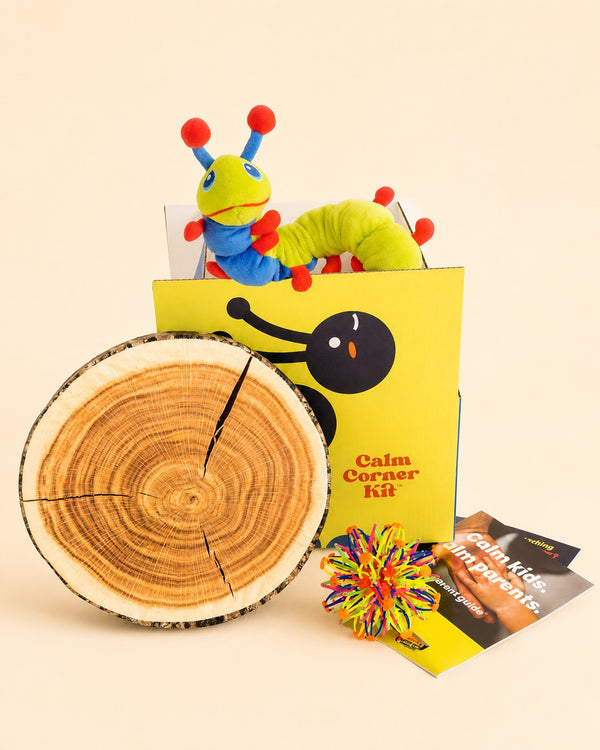
Designate a calm-down space. A calm corner gives children a go-to place where they know exactly what to do with big feelings. The predictability itself is calming.
Use co-regulation before self-regulation. Young children cannot self-regulate without a regulated adult nearby. Your calm presence — slow breathing, soft voice, steady body — literally helps regulate their nervous system before they can do it alone.
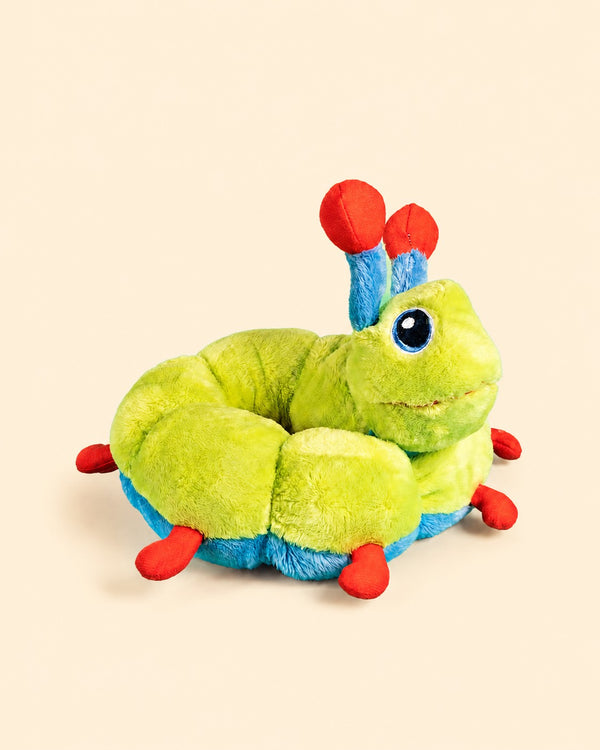
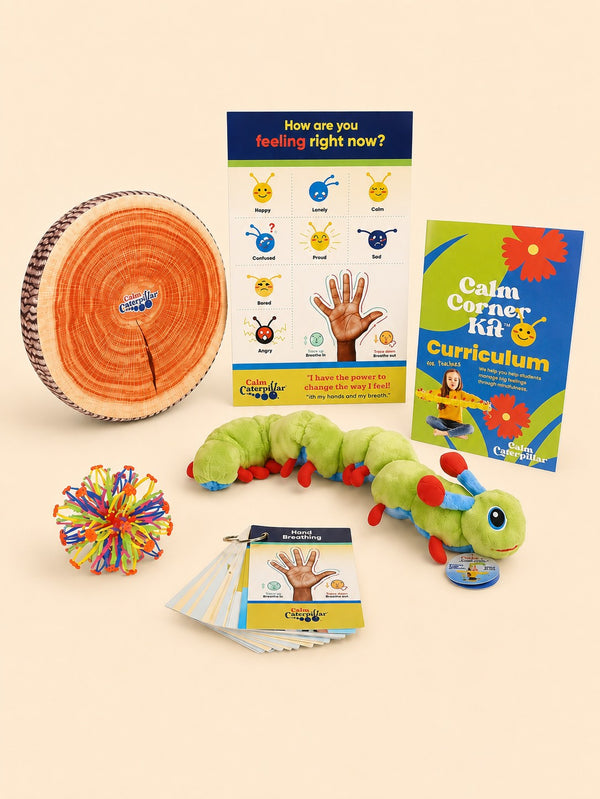
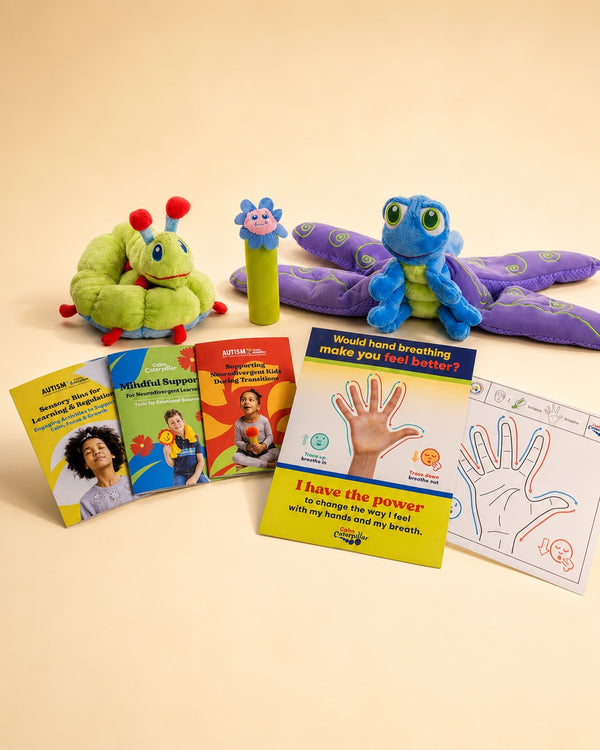
Offer sensory tools. Weighted plush toys, breathing tools, and fidget items provide physical input that can help regulate the nervous system. Calmee the Caterpillar, for example, provides gentle weight across the shoulders while children practice deep breathing — pairing sensory input with a coping strategy.
The Long Game
Emotional regulation doesn't look linear. A six-year-old who seemed to have it mastered will appear to lose it entirely at seven. Stress, transitions, growth spurts, and big life events all affect regulation capacity. Your job isn't to produce a perfectly regulated child — it's to be a consistent co-regulator who gives them tools, language, and a safe space to practice.
That's what The Calm Caterpillar is built around: practical, research-aligned tools that make emotional regulation teachable, repeatable, and even enjoyable for kids.
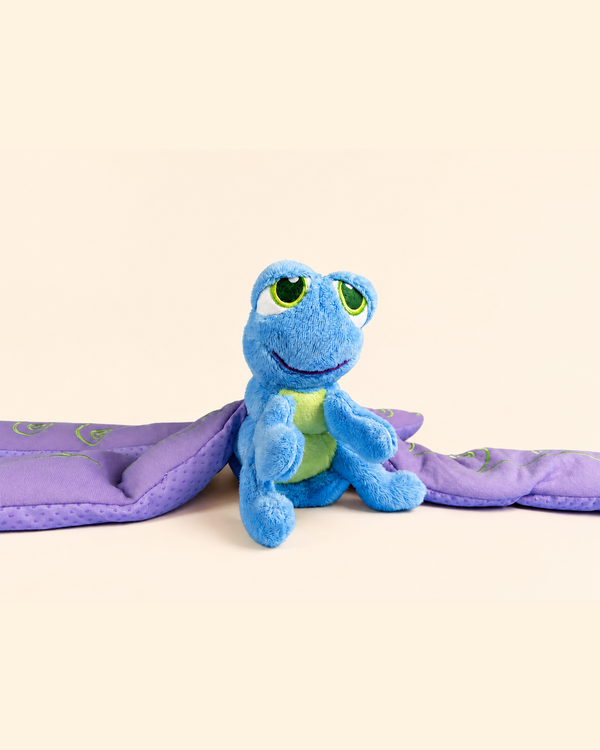
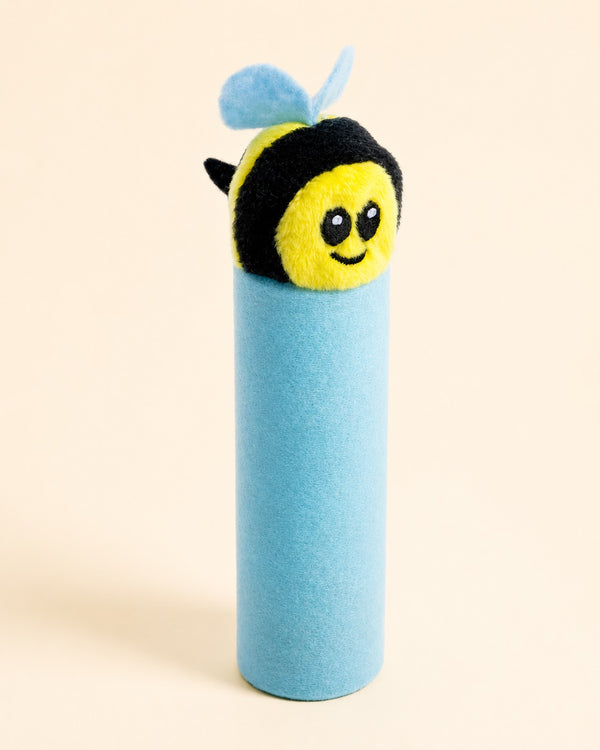
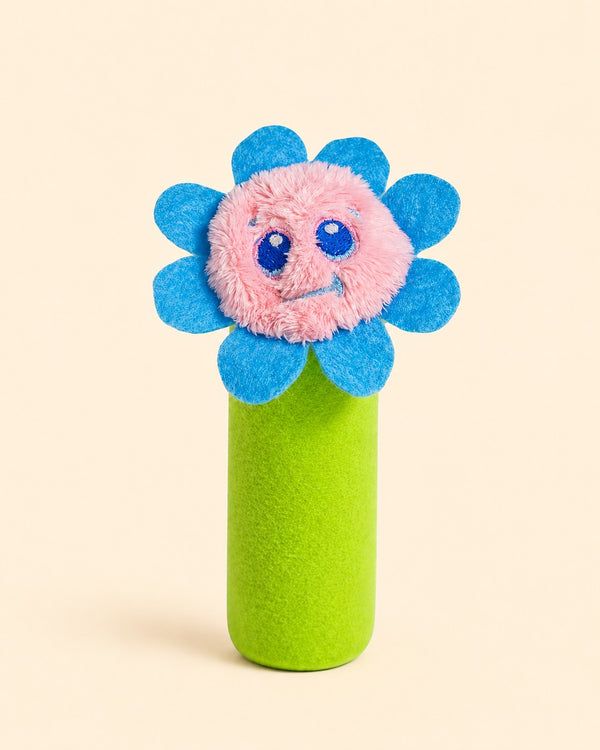
💚 Explore our Breathing Buddies kit — Calmee the Caterpillar and Rory the Lion paired together to help kids practice regulation skills every day.