




At Calm Caterpillar, we’ve always believed that helping children regulate their bodies is the key to helping them regulate their emotions. Now, that belief is backed by peer-reviewed research.
Link to full paper:
In 2025, a research protocol published in JMIR Research Protocols outlined a pilot randomized controlled trial studying a mindful movement program built on Calm Caterpillar’s work, integrated with Mission2Move
The study examined how our approach—movement, breathing, emotional reflection, and calm-down tools—supports preschoolers’ social-emotional development, stress regulation, and classroom behavior.
Why this matters
Preschool is a critical window for brain development. Children are still learning how to:
-
Calm their bodies
-
Manage big emotions
-
Control impulses
-
Stay focused and connected
The research highlights that mindful movement practices—not just talking about feelings—help children build these skills in developmentally appropriate ways.
What makes Calm Caterpillar different
The study emphasized several features that are core to our work:
-
Regulation through movement + breath, not just words
-
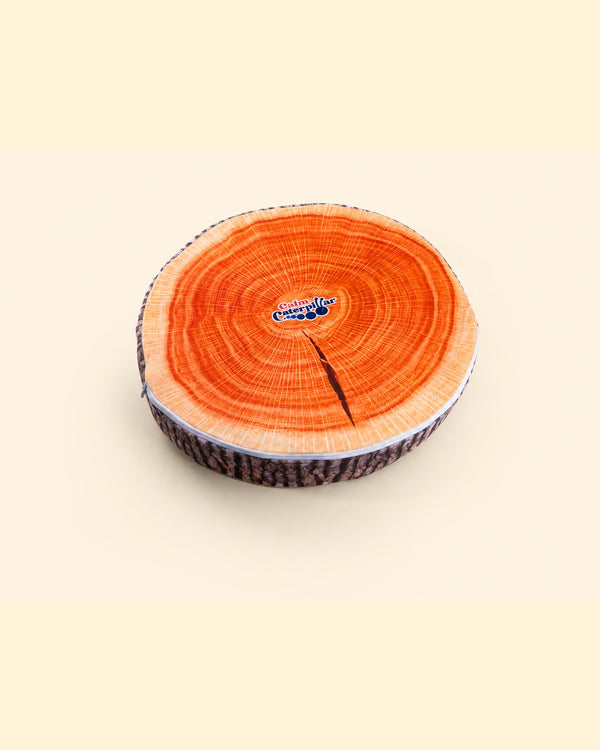
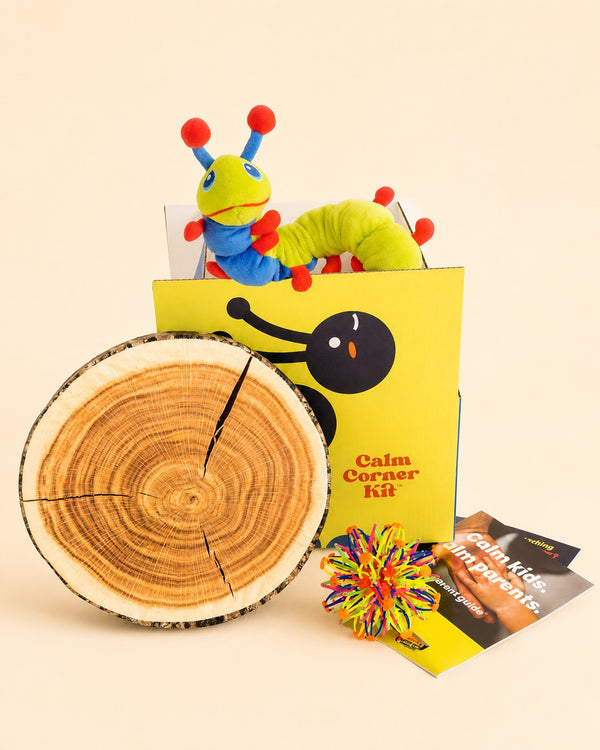
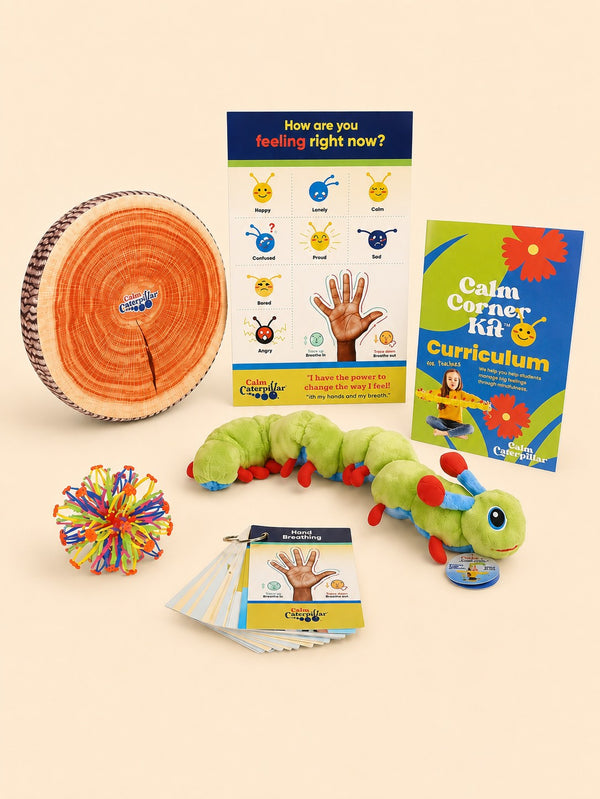
Tools children can use independently (like calm corners and tactile supports)
-
A train-the-teacher model so skills last beyond a single lesson
-
Consistency between school and home
Researchers also explored how supporting children’s regulation can positively impact teacher stress and classroom relationships, reinforcing the idea that calm spreads.
Bottom line
Calm Caterpillar isn’t just cute—it’s evidence-based. Our tools are designed to meet children where they are developmentally and support real, measurable skills that last.
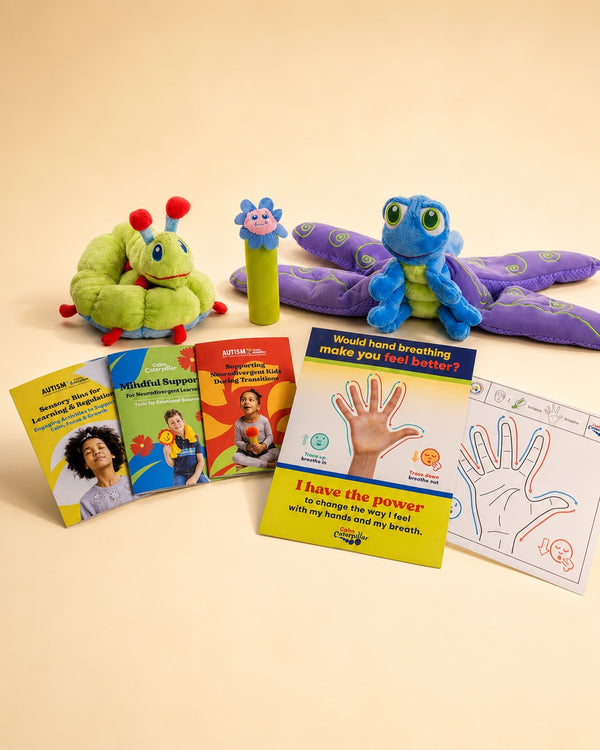
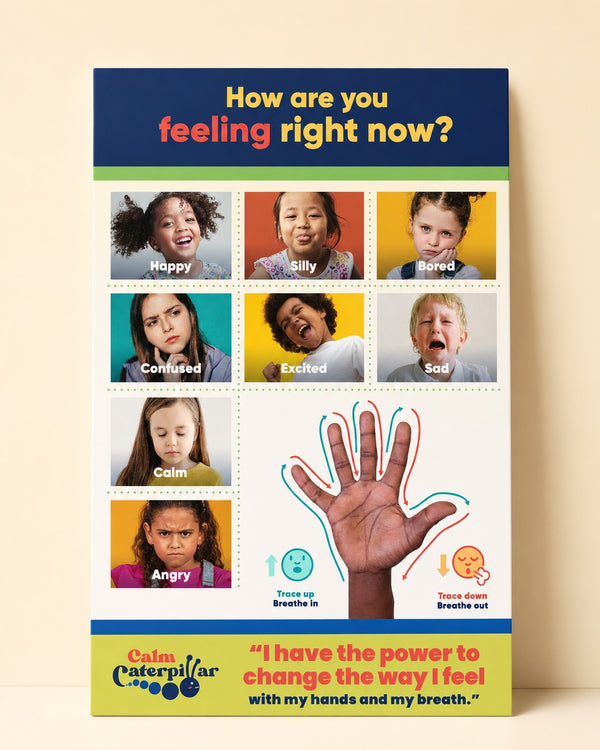
Try It at Home: Hand Breathing 🌈
Want to introduce mindful breathing in under one minute? Try this:
-
Hold up one hand like a star
-
Use the pointer finger of your other hand to trace each finger
-
Breathe in as you trace up a finger
-
Breathe out as you trace down
-
Repeat for all five fingers
This simple practice helps slow breathing, calm the nervous system, and gives kids a concrete way to regulate—anytime, anywhere.
Link to full paper.